Aspiring artists, amateur painters, and seasoned professionals alike understand the important role a canvas plays in the creation of a beautiful painting. But with all the options available, selecting the right canvas can be confusing if not challenging. Whether you’re starting your first painting or adding to your collection, here are essential factors to consider when investing in a painting canvas.
Surface texture and “tooth.” The surface texture of a canvas significantly impacts the outcome of your painting. Consider whether you prefer a smooth surface for detailed work or a textured canvas for adding depth and character to your piece. Additionally, pay attention to the “tooth” of the canvas—the level of roughness or texture that allows the paint to adhere effectively.
Canvas material. The material of the canvas influences its durability, texture, and absorbency. While cotton canvas is a popular choice for its affordability and versatility, linen canvas offers a smoother surface and greater longevity, but at a higher price point. Consider your budget and artistic preferences when selecting the canvas material that best suits your needs.
If you’re still confused on which canvas to pick, read our article on Painting on Linen vs Cotton Canvas.
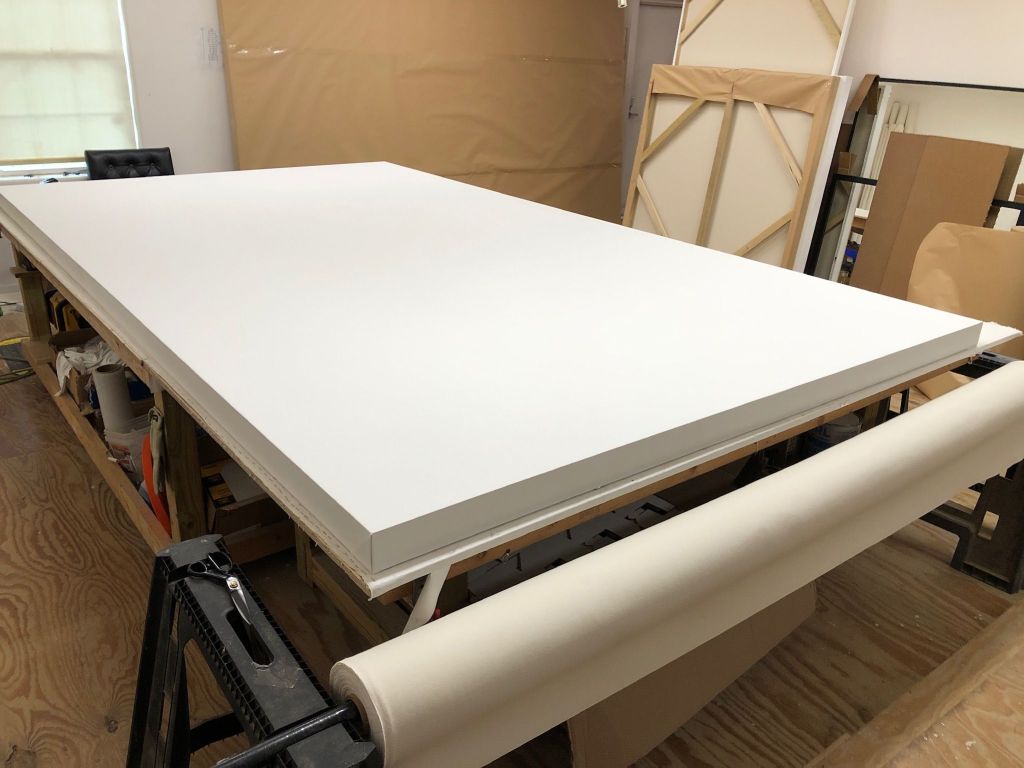
Canvas weight and thickness. The weight and thickness of the canvas affect its stability and resilience to warping. Heavier canvases with a higher weight per square meter are more durable and less prone to sagging or buckling over time. Choose a canvas with sufficient weight and thickness to support your painting style and medium of choice.
For example, canvases such as 24″ x 36″ or larger must have a horizontal bar across the back of its frame for ample support.
Primed vs. Unprimed canvas. Primed canvases come pre-treated with gesso, a primer that provides a smooth, uniform surface for painting. While primed canvases save time and effort in preparation, some artists prefer the versatility of unprimed canvases, allowing them to customize the surface texture and absorbency according to their preferences. All of CanvasLot canvases are double-primed with acrylic gesso.
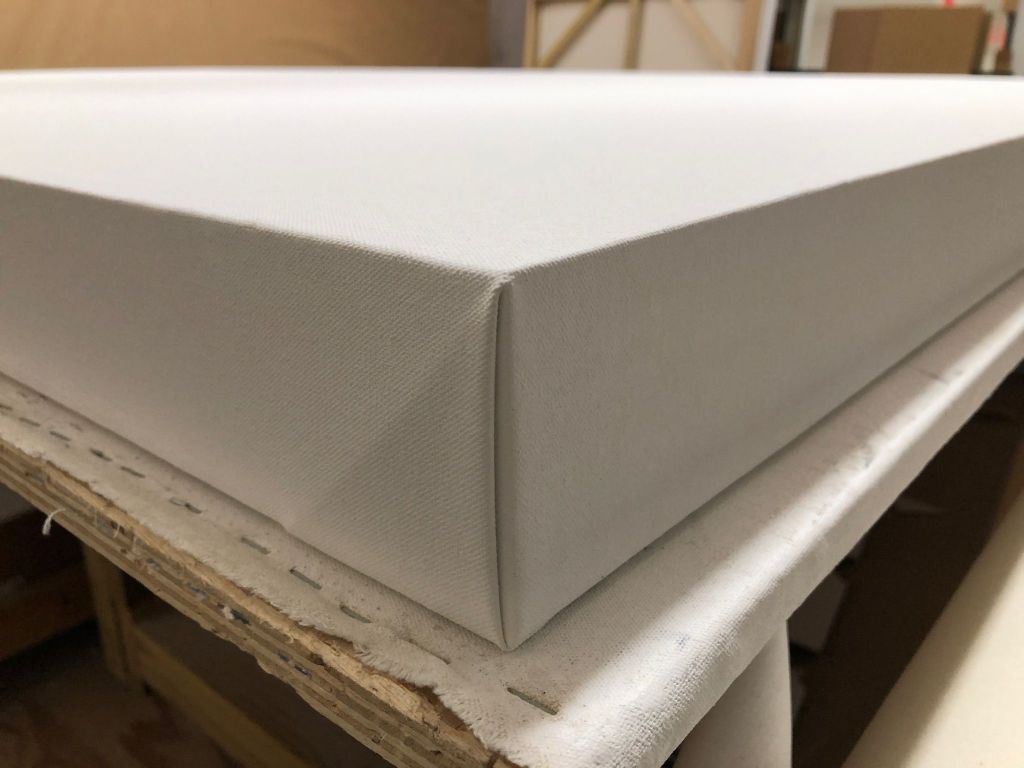
Stretching and sturdiness. A well-stretched canvas ensures a taut surface for painting and prevents sagging or slackness that can distort your artwork. Look for canvases with sturdy stretcher bars made from kiln-dried wood or aluminum, which offer stability and resistance to warping. Additionally, consider the method of stretching—whether stapled or hand-stretched—to ensure durability and longevity.
Acid-free and archival quality. For paintings intended to stand the test of time, choose canvases labeled as acid-free and archival quality. Acid-free canvases are pH-balanced and resistant to yellowing, ensuring the longevity of your artwork without deterioration or discoloration over time.
Price and budget considerations. While quality should be your primary concern, consider your budget when purchasing a painting canvas. Balance your artistic aspirations with practicality, selecting for the best quality canvas within your price range. Remember that buying a high-quality canvas is an investment in the longevity and integrity of your artwork.
Brand reputation and reviews. Research reputable brands and read reviews from fellow artists to gauge the quality and reliability of different canvas manufacturers. Consider factors such as customer service, consistency in quality, and adherence to ethical and environmental standards when selecting a canvas supplier.
Customization options. Some artists may prefer the convenience of pre-made canvases, while others may look for customization options to tailor the canvas to their specific needs. Explore suppliers that offer customization services such as custom sizes, priming options, or specialty surfaces to accommodate your artistic vision. CanvasLot specializes in custom-sized canvases. Contact us to know more.
Personal preference and experimentation. Ultimately, the choice of a painting canvas is a deeply personal decision guided by your artistic style, preferences, and experimentation. Don’t hesitate to explore different canvases, mediums, and techniques to discover what works best for you.
Selecting a high-quality painting canvas is an important step, shaping the outcome and longevity of your painting. Remember that the canvas serves as the foundation for your creativity, so choose wisely.
 Canvas For Painting - Custom Size
Leave a comment