Creativity is a fickle friend, often flowing effortlessly one moment and then stubbornly elusive the next. For painters, this manifests as artist’s block, a frustrating barrier that can halt artistic expression.
Overcoming artist’s block is essential to maintaining a consistent and fulfilling artistic practice. In this article, we’ll delve into strategies, insights and techniques to reignite the spark of creativity and get those brushes moving again.

- Paint everyday. It may sound counterintuitive, but when facing with artist’s block, creating something, anything, everyday even if it’s not as good as you would want to will eventually release you from your block’s grip. Keep the juices flowing!
2. Practice mindfulness and self-care. Artist’s block can often stem from mental or emotional fatigue. Practicing mindfulness techniques such as meditation, yoga, or deep breathing exercises can help calm the mind, alleviate stress, and promote mental clarity. Also, prioritize self-care activities that nurture your physical and emotional well-being, such as getting enough rest, staying hydrated, and engaging in activities you enjoy outside of painting.
3. Experiment with new mediums and techniques. One effective way to break through artist’s block is to step outside your comfort zone and explore unfamiliar mediums or techniques. If you primarily work with oils, try watercolors or acrylics. Experiment with palette knife techniques if you’re used to brushes, or vice versa. The act of learning something new can stimulate your brain and inspire fresh ideas.
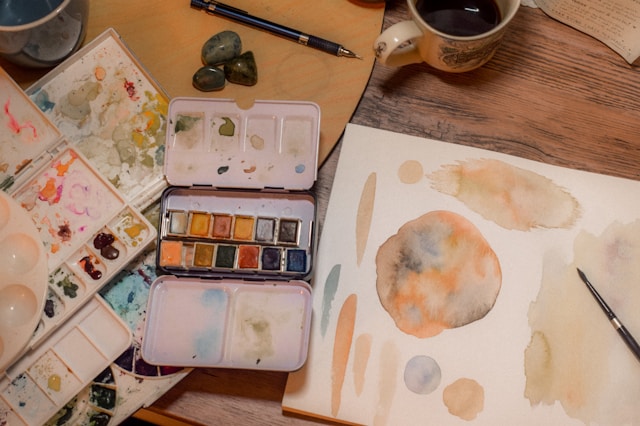
4. Embrace imperfection. Perfectionism can be a significant obstacle for painters. The fear of making mistakes or producing subpar work can stifle creativity. Instead of striving for flawless paintings, embrace imperfection as part of the creative process. Allow yourself to make mistakes and learn from them. Sometimes, the most interesting and innovative artwork comes from unexpected accidents.
5. Find inspiration in nature. Take a break from the studio and immerse yourself in the beauty of the natural world. Go for a walk. Observe the play of light and shadow, the vibrant colors of nature, and the intricate textures of landscapes. Allow these sensory experiences to inform your artistic vision and infuse your work with renewed vitality.
6. Break down projects into manageable steps. Feeling overwhelmed by the blank canvas? Break down your painting projects into smaller, more manageable steps. Instead of focusing on completing an entire piece in one sitting, set achievable goals for each painting session. Whether it’s sketching preliminary outlines, blocking in colors, or adding details, taking incremental steps can make the creative process feel less daunting and more manageable.

7. Collaborate with other artists. Collaboration can provide a fresh perspective and inject new energy into your creative practice. Seek out opportunities to collaborate with fellow painters or artists working in different mediums. Whether it’s a joint painting session, a shared exhibition, or a collaborative project, working alongside others can spark creativity and foster a sense of community.
8. Seek feedback and constructive criticism. Sometimes, a fresh pair of eyes can provide valuable insights and feedback on your work. Don’t hesitate to seek out feedback from trusted friends, fellow artists, or mentors. Constructive criticism can help you identify areas for improvement, gain new perspectives, and refine your artistic skills.
Artist’s block is a common challenge faced by painters of all levels, but it doesn’t have to be a permanent roadblock. Remember, creativity is a journey, not a destination. Embrace the process, trust your instincts, and keep painting!
 Canvas For Painting - Custom Size
Leave a comment