Maintaining clean art brushes is crucial for any artist who wants to ensure the longevity and performance of their tools. Proper brush care not only preserves the quality of your work but also saves you money in the long run.
Here’s a step-by-step guide on how to clean your art brushes effectively.
Step #1. Pre-Cleaning Wipe
Immediately after finishing your painting session, it’s important to remove excess paint from your brushes. Use a paper towel or a rag to gently wipe off as much paint as possible. This step helps prevent paint from drying on the bristles, which can be challenging to remove later.
Step #2. Rinse with the Appropriate Solvent
Depending on the type of paint you’re using, you’ll need to rinse your brushes with the appropriate solvent:
Water-based paints (acrylics, watercolors, gouache): Rinse your brushes in lukewarm water. Swirl the brush around in a container of water, then gently press the bristles against the side of the container to remove the paint.
Oil-based paints: Use a suitable solvent such as mineral spirits, turpentine, or a specialized brush cleaner. Pour a small amount of the solvent into a container and swirl the brush to dislodge the paint. Be sure to do this in a well-ventilated area.
Tip: Wipe off excess paint and thinner on the side of the jar. Don’t throw the thinner in the garbage or dump down the sink. Thinner can be recycled for later use.
Step #3. Clean with Soap
After the initial rinse, it’s time to clean your brushes with soap to remove any remaining paint and solvent residue.
For water-based paints: Use mild dish soap or a dedicated brush soap. Apply a small amount to the bristles and gently work it into a lather using your fingers or a brush cleaning mat. Use gentle, circular motions and swirl the brush in your palm. Rinse thoroughly with lukewarm water.
For oil-based paints: Use a specialized brush soap or conditioning soap. Apply the soap and gently massage it into the bristles. Rinse with water, ensuring that all soap and solvent are thoroughly removed.
Tip: Avoid using harsh chemicals or scrubbing your brushes too vigorously, as this can damage the bristles.
Step #4. Reshape the Bristles
Once your brushes are clean, it’s important to reshape the bristles while they’re still wet. Gently use your fingers to form the bristles back into their original shape. This step helps maintain the integrity and performance of your brushes.
Step #5. Drying Your Brushes
Proper drying is crucial to prevent damage and maintain the longevity of your brushes. Never dry your brushes upright with the bristles facing up, as water can seep into the ferrule (the metal part holding the bristles) and loosen the glue. Instead, lay your brushes flat on a towel or hang them with the bristles facing down using a brush holder or a makeshift drying rack.
Other Tips
Regular Deep Cleaning
In addition to daily cleaning, it’s beneficial to give your brushes a deep clean periodically, especially if you use them frequently. Use a specialized brush cleaner or a gentle conditioner to remove any stubborn paint buildup and to keep the bristles supple and in good condition.
Storage
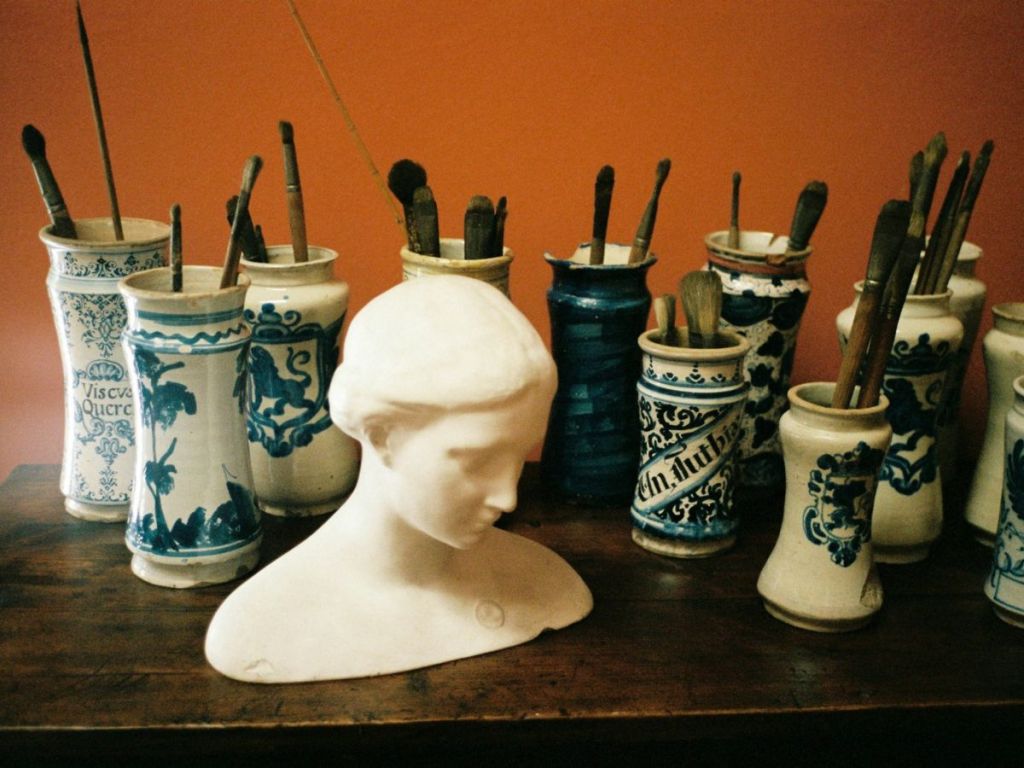
Store your brushes in a manner that prevents the bristles from being bent or damaged. You can use a brush holder, a roll-up brush case, or a simple jar with the brushes standing upright (once they’re completely dry).
By following these steps, you can ensure your brushes remain in excellent condition, allowing you to create beautiful art with precision and consistency. Regular brush care is an investment in your tools and your craft, ensuring you can continue to paint with joy and confidence.
 Canvas For Painting - Custom Size
Leave a comment