For any artist, understanding canvas proportions is crucial to creating balanced and visually appealing artwork. The aspect ratio of a canvas not only influences the overall composition but also impacts how viewers perceive and engage with the piece.
In this post, we’ll delve into the importance of aspect ratios, how to choose the right canvas proportions, and tips for mastering composition.
What is Aspect Ratio?
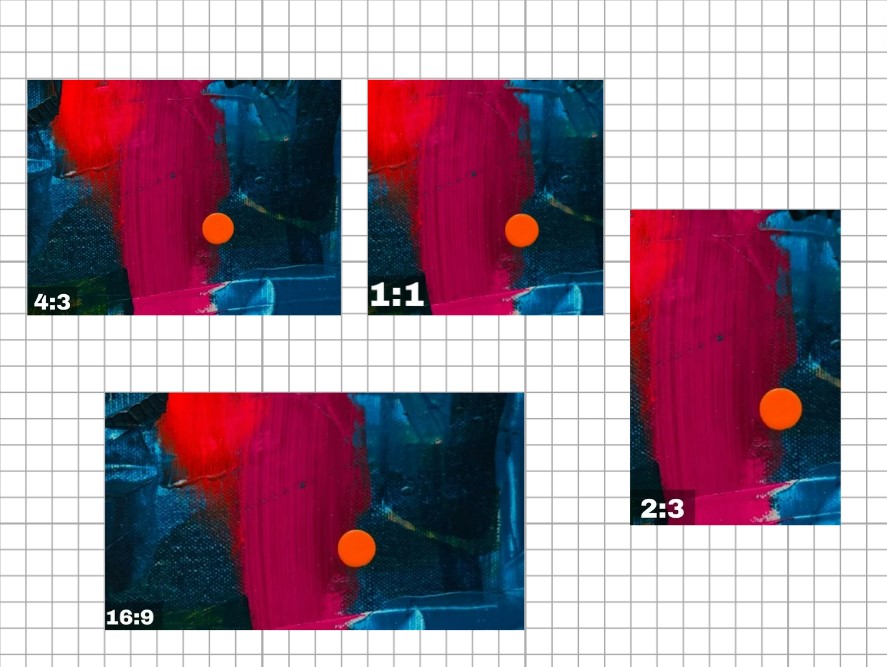
Aspect ratio refers to the relationship between the width and height of a canvas. It is typically expressed as a ratio, such as 4:3, 1:1, or 2:3. This ratio dictates the overall shape of your canvas and plays a significant role in how you plan your composition.
Common Aspect Ratios and Their Uses
4:3 (Standard Ratio)
Use: Often used for traditional paintings, portraits, and landscapes.
Benefits: Provides a balanced space that is versatile for various compositions, offering a classic look.
1:1 (Square)
Use: Popular for contemporary art and social media platforms like Instagram.
Benefits: Offers symmetry and balance, making it great for bold, centered compositions.
2:3 (Portrait)
Use: Commonly used for full-length portraits and vertical landscapes.
Benefits: Enhances the vertical elements of the subject, emphasizing height and grandeur.
16:9 (Widescreen)
Use: Ideal for panoramic landscapes and modern artworks.
Benefits: Creates a dynamic feel, offering a wide view that can convey a sense of vastness or movement.
Choosing the Right Canvas Proportions
When selecting canvas proportions, consider the following factors:
Subject Matter – Match the aspect ratio to the natural dimensions of your subject. For instance, a tall, narrow tree might look better on a 2:3 canvas, while a landscape may be more impactful on a 16:9 canvas.
Composition Goals – Think about the composition principles you want to apply. A square canvas might be perfect for creating a balanced, symmetrical composition, whereas a widescreen ratio could help in directing the viewer’s eye across the scene.
Display Context – Consider where and how the artwork will be displayed. Art destined for digital platforms might benefit from square or landscape ratios to fit screens better, while pieces for galleries could follow more traditional ratios.
Tips for Mastering Composition
- Rule of Thirds. Divide your canvas into nine equal parts using two horizontal and two vertical lines. Place key elements along these lines or at their intersections to create a balanced and engaging composition.
- Leading lines. Use lines within your artwork to guide the viewer’s eye toward the focal point. These can be literal lines, like a path or river, or implied lines, like the direction of a person’s gaze.
- Balance and symmetry. Consider the distribution of visual weight within your canvas. Symmetrical compositions provide a sense of stability, while asymmetrical ones can create dynamic tension and interest.
- Framing and cropping. Use the edges of your canvas to frame your subject in a way that enhances the overall composition. Sometimes, cropping parts of the subject can add intrigue and focus.
Understanding canvas proportions and aspect ratios is fundamental for creating compelling artwork. By carefully selecting the right ratio and mastering composition techniques, you can enhance the visual impact of your paintings and convey your artistic vision more effectively. Experiment with different ratios and observe how they influence your work.
 Canvas For Painting - Custom Size
Leave a comment