Choosing the right canvas size is a critical step for any painter, affecting both the creation process and the presentation of the artwork. Here are some frequently asked questions (FAQs) about canvas sizing to help you make informed decisions.
What are standard canvas sizes?
Standard canvas sizes typically range from small (8×10 inches) to large (36×48 inches) and beyond. Common sizes include 12×16, 16×20, and 24×36 inches. These sizes are widely available and fit standard frames, making them convenient for artists and collectors alike.
How do I choose the right canvas size?
Choosing the right canvas size depends on your artistic vision and the intended display space. For detailed, intimate works, smaller canvases are ideal. Larger canvases are better for making bold statements and adding impact to larger spaces. Consider the scale of your subject matter and the environment where the artwork will be displayed.
What is the aspect ratio of a canvas?
The aspect ratio refers to the proportional relationship between the canvas’s width and height. Common aspect ratios include 1:1 (square), 4:3 (traditional), and 16:9 (widescreen). Understanding aspect ratios helps in planning your composition, ensuring your subject fits well within the canvas dimensions.
Read Understanding Canvas Proportions: Aspect Ratios and Composition to learn more.
Can I customize canvas sizes?
Yes, many art supply stores offer custom canvas sizes. This flexibility allows you to tailor the canvas dimensions to your specific needs, ensuring your artwork achieves the desired impact. Custom canvases are especially useful for unique spaces or unconventional compositions.
Does canvas depth matter?
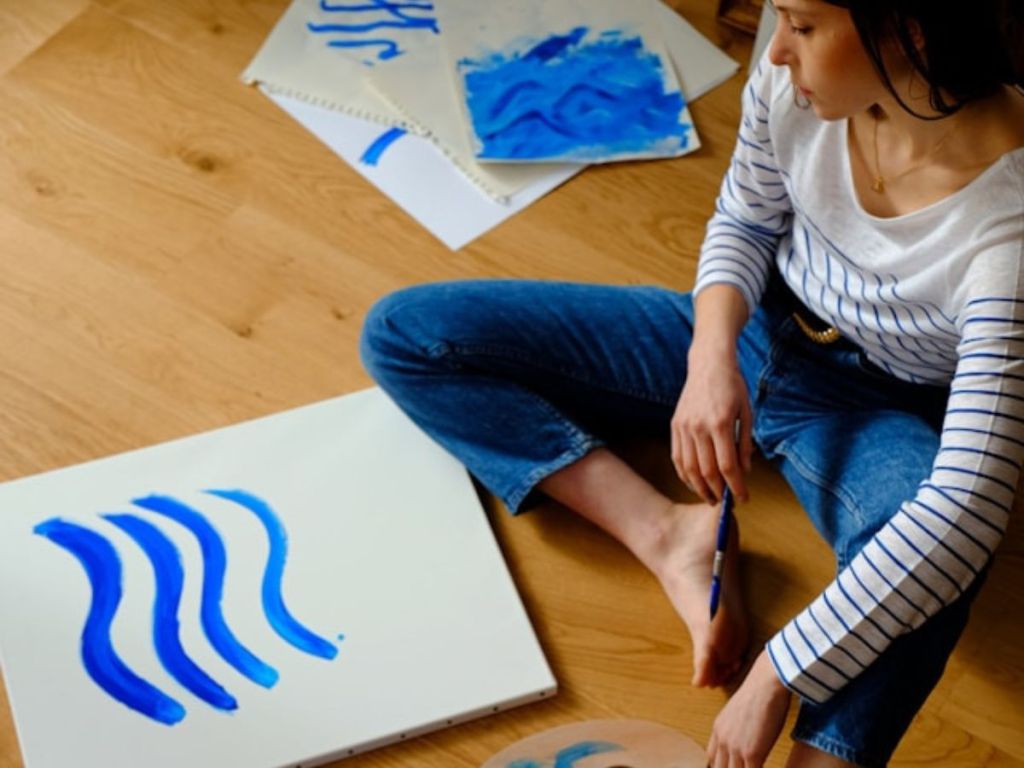
Canvas depth, or thickness, affects the artwork’s presentation. Standard canvases typically have a depth of 0.75 inches, while gallery-wrapped canvases are around 1.5 inches deep. Deeper canvases don’t require framing and provide a modern, three-dimensional look, whereas thinner canvases are easier to frame and transport.
How does canvas size affect painting techniques?
The size of your canvas can influence your painting techniques. Larger canvases require broader strokes and more movement, which can lead to more dynamic compositions. Smaller canvases allow for intricate details and precision. Experiment with different sizes to discover what complements your style and techniques best.
What size is best for beginners?
Beginners might start with mid-sized canvases, such as 16×20 or 18×24 inches. These sizes provide ample space to practice techniques without being overwhelming. They’re also large enough to make significant pieces, giving new artists confidence as they see their work take shape.
How do I frame large canvases?
Framing large canvases can be challenging due to their size and weight. Consider using floater frames, which don’t touch the edges of the canvas and create a “floating” effect. For very large works, professional framing services are recommended to ensure stability and aesthetics.
Final thoughts
Understanding canvas sizing is essential for any artist, impacting both the creative process and the final presentation. By familiarizing yourself with standard sizes, aspect ratios, and customization options, you can select the perfect canvas for your artwork, ensuring your vision is beautifully realized. Experiment with different sizes to find what best complements your style and enhances your artistic expression.
 Canvas For Painting - Custom Size
Leave a comment