Collaboration among painters can yield incredible results, combining diverse talents and perspectives to create unique artworks. However, like any collaborative effort, it comes with its own set of challenges. Recognizing and addressing these potential issues can transform a collaborative project from a stressful endeavor into a rewarding creative journey.
One notable example of famous painters who faced challenges during their collaboration is Pablo Picasso and Georges Braque. Together, they pioneered the revolutionary art movement known as Cubism in the early 20th century. Despite their successful partnership and mutual influence, their collaboration was not without its difficulties.
1. Differing Artistic Visions
One of the most common challenges in artist collaborations is reconciling differing artistic visions. Each artist brings their own style, preferences, and ideas to the table, which can sometimes clash.
Picasso and Braque had distinct artistic styles and visions, which sometimes led to creative differences. While they were united in their exploration of Cubism, their individual approaches and interpretations of the movement varied. Picasso was more inclined towards bold and experimental changes, while Braque preferred a more methodical and analytical approach.
How to Overcome:
- Clear communication. Start by discussing your visions and goals for the project. Ensure that all participants understand and respect each other’s perspectives.
- Compromise. Be willing to adjust your ideas and find a middle ground. A successful collaboration often requires flexibility and openness to new approaches.
- Unified concept. Agree on a unified theme or concept that everyone can align with, ensuring a cohesive final piece.
2. Balancing Creative Control
Artists are often used to working independently, and sharing creative control can be challenging. There might be disagreements over specific elements or the direction of the artwork.
How to Overcome:
- Defined roles. Clearly define each artist’s role and responsibilities within the project. This can help prevent overlaps and conflicts.
- Regular check-ins. Schedule regular meetings or check-ins to discuss progress and address any concerns promptly. This keeps everyone on the same page and fosters a sense of teamwork.
- Respect and trust. Trust each other’s expertise and give space for individual expression within the collaboration.
Picasso said, “Almost every evening, either I went to Braque’s studio or Braque came to mine. Each of us had to see what the other had done during the day.”
3. Logistical and Practical Issues
Coordinating schedules, sharing workspace, and managing resources can be logistical nightmares in collaborative projects.
How to Overcome:
- Effective planning. Plan the project timeline, including deadlines and milestones, well in advance. Use project management tools to keep track of tasks and schedules.
- Shared resources. Ensure that all necessary materials and resources are accessible to everyone involved. This may include shared studio space, digital tools, or physical supplies.
- Flexibility. Be adaptable to changes in schedules or unforeseen issues. Flexibility is key to maintaining progress and reducing stress.
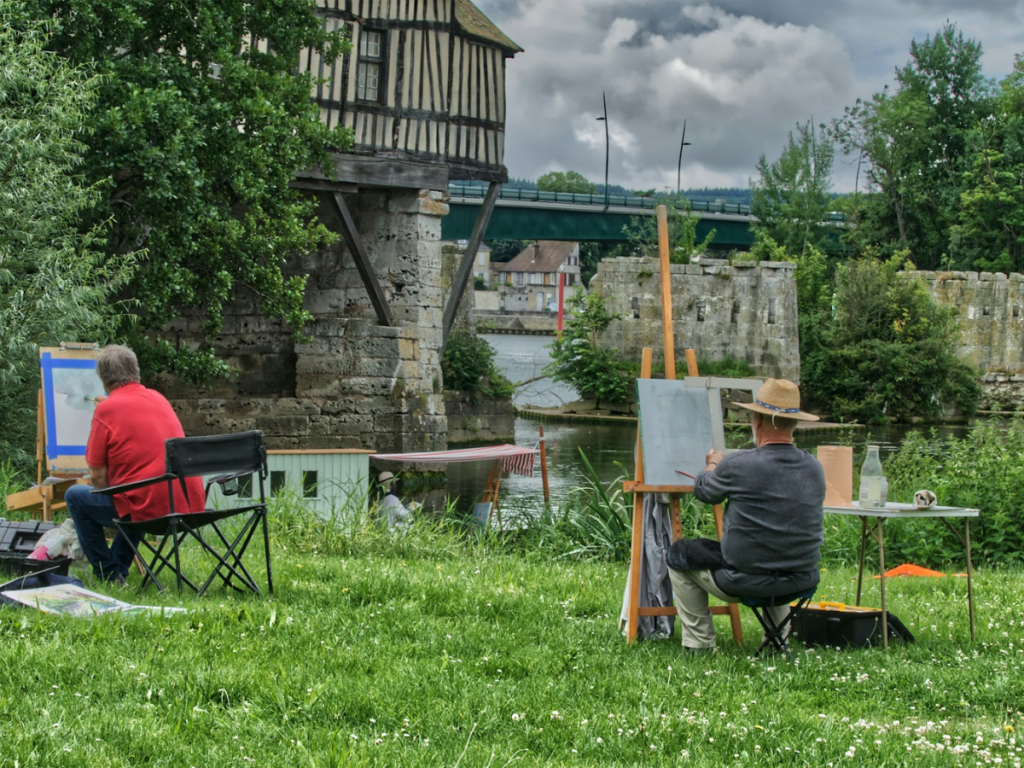
4. Differences in Work Ethic and Pace
Artists may have varying work ethics and paces, which can lead to frustration and imbalance in the collaborative process.
How to Overcome:
- Set expectations. Discuss and set expectations regarding work hours, deadlines, and commitment levels from the outset.
- Support each other. Encourage and motivate each other to stay on track. Offer assistance and understanding when someone falls behind.
- Adjust pace. If possible, adjust the pace of the project to accommodate different working styles without compromising the overall timeline.
5. Managing Ego and Credit
Collaboration requires managing egos and ensuring that all contributors feel valued and acknowledged. Issues can arise if one artist feels overshadowed or underappreciated.
As prominent figures in the art world, both Picasso and Braque had significant egos. Ensuring that both artists felt equally valued and acknowledged was a delicate matter. Despite their friendship and mutual respect, there were moments of tension regarding individual recognition and credit for their contributions to Cubism.
How to Overcome:
- Celebrate contributions. Acknowledge and celebrate each artist’s contributions to the project. Give credit where it’s due, both publicly and within the team.
- Ego check. Keep personal egos in check and prioritize the success of the collaborative project over individual acclaim.
- Open dialogue. Foster an environment where artists can express their feelings and concerns without fear of judgment.
6. Technical Skills and Mediums
Artists often have different levels of expertise and prefer different mediums. This can create technical challenges in a collaborative project.
How to Overcome:
- Skill sharing. Take the opportunity to learn from each other. Share techniques and knowledge to enhance the overall quality of the project.
- Combine mediums. Embrace the diversity of mediums and find creative ways to integrate them into a cohesive piece.
- Leverage strengths. Assign tasks based on each artist’s strengths and skills to ensure that all aspects of the project are executed proficiently.
Despite the challenges, Picasso and Braque managed to create a highly productive and innovative partnership. They developed a system of collaboration that involved continuous dialogue and mutual influence. Their ability to compromise and adapt was crucial in overcoming creative differences. They respected each other’s expertise and allowed room for individual expression within the framework of their shared vision for Cubism.
Collaboration among painters can be a transformative experience, blending talents and ideas into something greater than the sum of its parts. By recognizing potential challenges and proactively addressing them, artists can overcome obstacles and create harmonious, innovative works.
 Canvas For Painting - Custom Size
Leave a comment