Painting on canvas is a rewarding and creative experience that allows you to express your artistic vision. Whether you are an amateur painter or an art student, understanding the basics can help you start your journey with confidence. Here is a guide to get you started with canvas painting, complete with useful tips to ensure your success.
1. Choosing the Right Canvas
Your canvas is the foundation of your painting. Canvases come in various sizes and types. For beginners, pre-stretched, pre-primed canvases are a convenient choice. If you prefer to stretch your own canvas, ensure you use quality materials and stretch it tightly over a sturdy frame.
2. Selecting Your Paints
The two main types of paint used on canvas are acrylics and oils. Acrylic paints are water-based, quick-drying, and versatile, making them an excellent choice for beginners. They can be used straight from the tube or thinned with water for different effects.
Oil paints, on the other hand, offer rich, vibrant colors and a longer drying time, allowing for more blending and layering. However, they require more preparation and the use of solvents, which can be more complex for beginners.
3. Gathering Essential Tools
In addition to paints and canvas, you will need a few essential tools:
- Brushes – A variety of shapes and sizes, including flat, round, and filbert brushes.
- Palette – For mixing colors. A disposable palette or a reusable one made of plastic or glass works well.
- Palette Knives – For mixing paints and creating texture.
- Easel – To hold your canvas upright.
- Water or solvent containers – For cleaning brushes between colors.
- Rags or paper towels – For wiping brushes and cleaning up.
4. Preparing Your Workspace
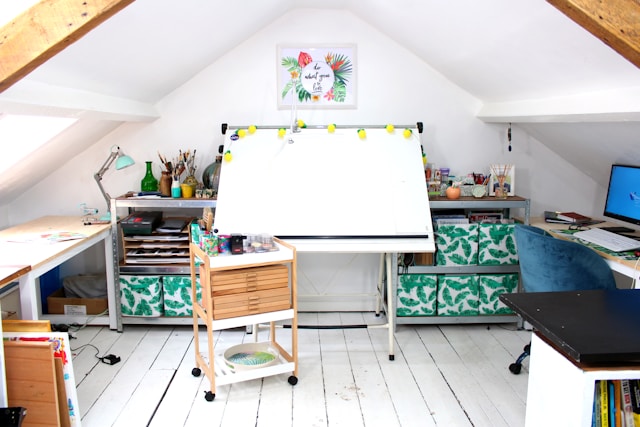
Set up your workspace in a well-ventilated area with plenty of light. Cover your working surface with a drop cloth or newspaper to protect it from paint spills. Arrange your tools and materials within easy reach to maintain a smooth workflow.
5. Starting Your Painting
Begin by sketching your composition lightly on the canvas with a pencil or a thin layer of paint. This will serve as a guide for your painting. When mixing colors, start with small amounts to avoid wasting paint. Remember, it’s easier to darken a color than to lighten it, so mix colors gradually.
6. Building Layers
One of the key techniques in canvas painting is building layers. Start with an underpainting, a monochromatic layer that establishes the basic values of your composition. This provides a foundation for the subsequent layers.
Acrylic painters can proceed quickly as the paint dries fast, while oil painters should allow each layer to dry thoroughly before adding the next.
7. Adding Details and Texture
As you progress, add details and textures to your painting. Use smaller brushes for fine details and palette knives to create texture. Experiment with different techniques, such as dry brushing, glazing, and impasto, to add depth and interest to your work.
8. Finishing Touches
Once your painting is complete, allow it to dry thoroughly. Acrylic paintings typically dry within a few hours, while oil paintings can take days or even weeks. Apply a varnish to protect your finished work from dust and UV light. Varnishing enhances the colors and provides a uniform finish.
9. Practice and Patience
Painting on canvas is a skill that improves with practice and patience. Don’t be discouraged by initial challenges. Keep experimenting with different techniques and materials, and most importantly, enjoy the process of creating art.
 Canvas For Painting - Custom Size
Leave a comment