As an artist, you know that the creative process involves much more than just applying color to canvas. One of the foundational techniques that can elevate your work from good to great is underpainting. This initial layer of paint helps you establish values and tones, setting the stage for a more dynamic and realistic final piece.
Understanding Underpainting:
Before we dive into the details, let’s start with a basic understanding of what underpainting is. Underpainting is like the skeleton of your artwork. It’s the first layer you apply to the canvas, usually in monochromatic tones, to outline the composition, establish light and shadow, and create a value structure that will guide the rest of your painting.
Establishing Values:
Think of values as the lightness or darkness of colors. Establishing these early on with an underpainting allows you to focus on the structure of your piece without the distraction of color. By creating a strong value foundation, you’ll ensure your final painting has a balanced range of lights and darks, making it more visually compelling.
Why It Matters:
- Clarity and Structure. Laying down values first gives you a clear roadmap for where your painting is going. It helps prevent any areas from becoming too muddled or confusing.
- Depth and Dimension. Properly established values add depth and dimension to your work. This is crucial for achieving a realistic look, as it mimics the way light and shadow interact in real life.
Setting the Tones:
Tones refer to the intensity or saturation of your colors. An underpainting helps set these tones, ensuring that the colors you add later will harmonize well together. This tonal map acts as a guide, allowing you to build up your colors confidently and cohesively.
Why It Matters:
- Color harmony. Starting with a unified tonal base helps maintain color harmony throughout your painting. This keeps the final piece from looking disjointed.
- Guided application. With tones already mapped out, you can apply colors more assuredly, knowing they’ll contribute to a cohesive composition.
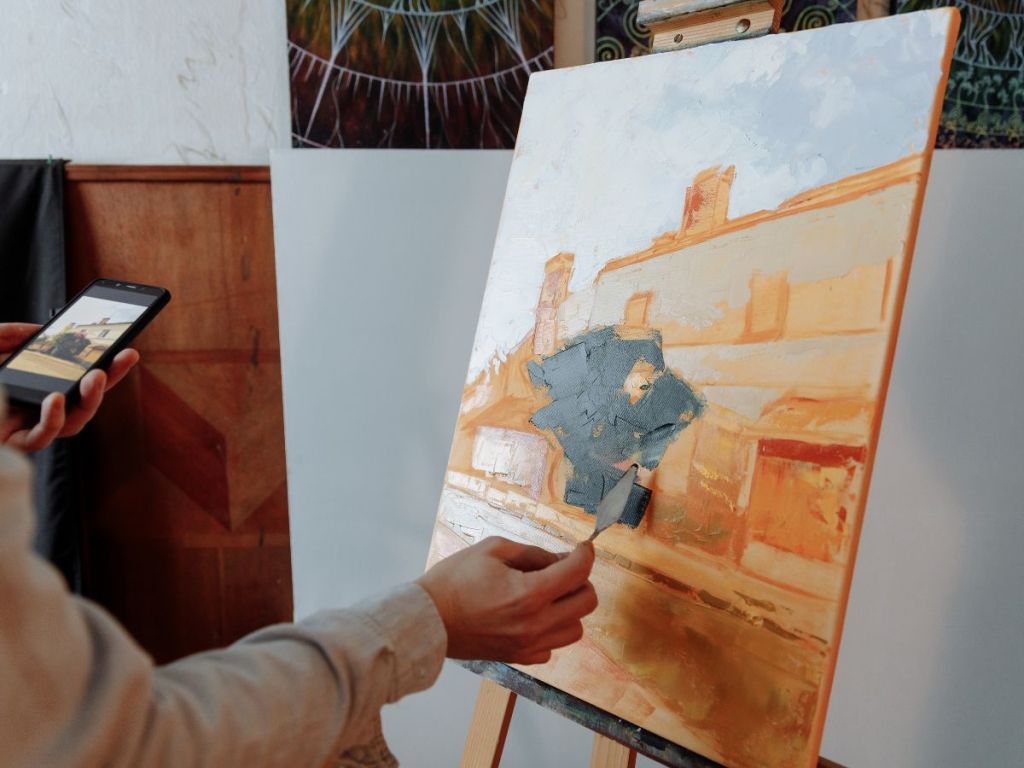
Techniques and Approaches:
There are various approaches to underpainting, each offering unique benefits. Let’s explore a few:
- Grisaille – Using shades of gray, this classical technique focuses on value structure and is perfect for achieving realistic effects.
- Imprimatura – This involves applying a single transparent color to tone the canvas, providing a warm or cool base that influences the entire painting.
- Verdaccio – Utilizing greenish tones, this method is often used in portrait painting to create natural-looking skin tones.
Underpainting is a powerful technique that every artist should have in their toolkit. By establishing values and tones before adding details, you can create more structured, harmonious, and realistic artworks. Whether you’re a budding artist or a seasoned professional, mastering underpainting can elevate the quality and depth of your canvas art.
 Canvas For Painting - Custom Size
Leave a comment