Managing an art gallery is both an art and a science. It involves a delicate balance of creativity, business acumen, and interpersonal skills. Whether you’re an aspiring gallery owner or looking to refine your current practices, understanding the key components of gallery management is essential for success. This guide will provide you with insights on how to effectively manage an art gallery, ensuring it thrives in a competitive market.
1. Understanding Your Audience
The foundation of any successful art gallery is a deep understanding of its audience. Art enthusiasts, collectors, and casual visitors each have distinct preferences and expectations. Conducting market research to identify your target audience’s interests can inform your gallery’s curation and marketing strategies. This involves analyzing demographic data, attending art fairs, and engaging with the local community. By aligning your gallery’s offerings with the tastes and trends of your audience, you can create a more compelling and engaging experience for visitors.
2. Curating Your Collection
Curating an art collection is at the heart of gallery management. A well-curated gallery not only attracts visitors but also establishes your reputation in the art world. Start by developing a clear vision for your gallery.
Are you focusing on contemporary art, traditional works, or a specific genre? Once your vision is defined, select pieces that align with this theme and resonate with your audience. Regularly rotating exhibitions and showcasing diverse artists can keep the gallery fresh and exciting.
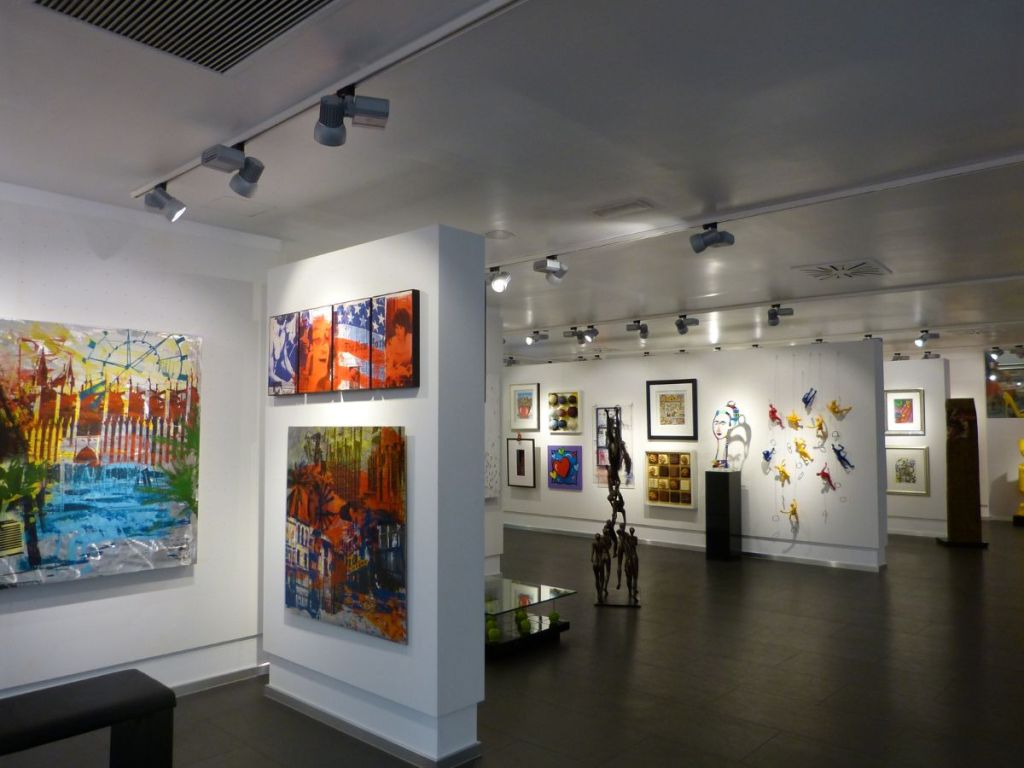
Also, consider the layout and lighting of your space to highlight the artwork effectively, creating an immersive experience for visitors.
3. Building Relationships with Artists
Strong relationships with artists are crucial for the success of your gallery. Artists provide the lifeblood of your collection, and their support and trust can enhance your gallery’s reputation.
Networking is a win-win for both artists and art galleries. In Artsy’s The Art Industry Trends Report 2023, more than 51% of art galleries said they discover new artists through the artists they are working with.
Also, ultra-contemporary artists, particularly those born after 1975, are experiencing the strongest demand. This trend is largely driven by younger galleries (in business for less than three years), which are connecting with younger collectors more effectively than their older counterparts.
Foster these relationships by maintaining open communication, providing constructive feedback, and offering fair compensation for their work. Hosting artist talks, workshops, and opening receptions can also build a sense of community and collaboration. By supporting and promoting your artists, you not only enrich your gallery’s offerings but also contribute to the broader art ecosystem.
4. Marketing and Promotion
Effective marketing is essential for attracting visitors and buyers to your gallery. With today’s technology, a strong online presence is crucial. The pandemic has affected how art collectors buy art. According to Art Basel, despite a decline in online-only sales to $11 billion in 2022 from the peak of $13.3 billion in 2021, this still represents an 85% increase from 2019 levels. Online sales now account for 16% of the art market’s turnover.
Develop a user-friendly website showcasing your exhibitions, artists, and events. Use social media platforms to engage with your audience, share behind-the-scenes content, and promote upcoming shows. Email newsletters can keep your audience informed and excited about new exhibitions.
Offline strategies, such as attending art fairs, partnering with local businesses, and hosting exclusive events, can also drive traffic to your gallery. Consistent and creative marketing efforts can elevate your gallery’s profile and attract a loyal following.
5. Financial Management
Financial management is a critical aspect of running a successful art gallery. Start by creating a detailed budget that outlines your expenses, including rent, utilities, marketing, and artist commissions. Pricing artwork appropriately is also important. Consider factors such as the artist’s reputation, the piece’s uniqueness, and market demand.
Implement a transparent sales process and track your financial performance regularly. Offering flexible payment options and financing can make art more accessible to buyers. Sound financial management ensures the sustainability of your gallery and allows you to invest in future growth.
Managing an art gallery is a multifaceted endeavor that requires a blend of passion, strategy, and business savvy. Implement these strategies to enhance your gallery’s success and make a lasting impact in the art world.
 Canvas For Painting - Custom Size
Leave a comment