Starting your own art studio can be an immensely rewarding endeavor, both creatively and financially. According to Starter Story, successful art studios can generate substantial revenue, with some reporting annual revenues of around $2 million. This revenue is driven by a combination of class fees, art sales, and other services like studio rentals.
Whether you dream of a bustling hub for community classes or a quiet sanctuary for personal creation, establishing a studio requires careful planning, a clear vision, and strategic execution. Here’s a detailed guide to help you get started.
1. Define Your Vision and Goals
Before diving into logistics, first, clarify your vision for the studio. Are you planning to create a space solely for personal work, or do you intend to offer classes, host exhibitions, and sell art? Your goals will shape every aspect of your studio, from its layout to the types of supplies you’ll need.
2. Find the Right Location
The location of your art studio can make or break your venture. Consider factors such as the amount of natural light, the surrounding community, and accessibility.
For example, a location in a vibrant arts district may attract more visitors but come with higher rent costs. In contrast, a more secluded area could offer lower overheads but might require more effort to build visibility.
3. Budgeting and Financing
Starting an art studio can require significant upfront investment. Costs can range from a few thousand dollars for a small personal studio to tens of thousands for a commercial space. You might consider different financing options, such as small business loans, crowdfunding, or grants specifically designed for artists. For example, some successful studios have been launched with as little as $1,000, while others have grown into multi-million-dollar ventures.
4. Legal Formalities and Insurance
Registering your studio as a legal entity is important to protect your personal assets. Consider forming an LLC (Limited Liability Company) or another suitable business structure. Also, investing in business insurance is crucial. This can cover everything from property damage to liability for accidents that occur on your premises.
5. Setting Up Your Studio
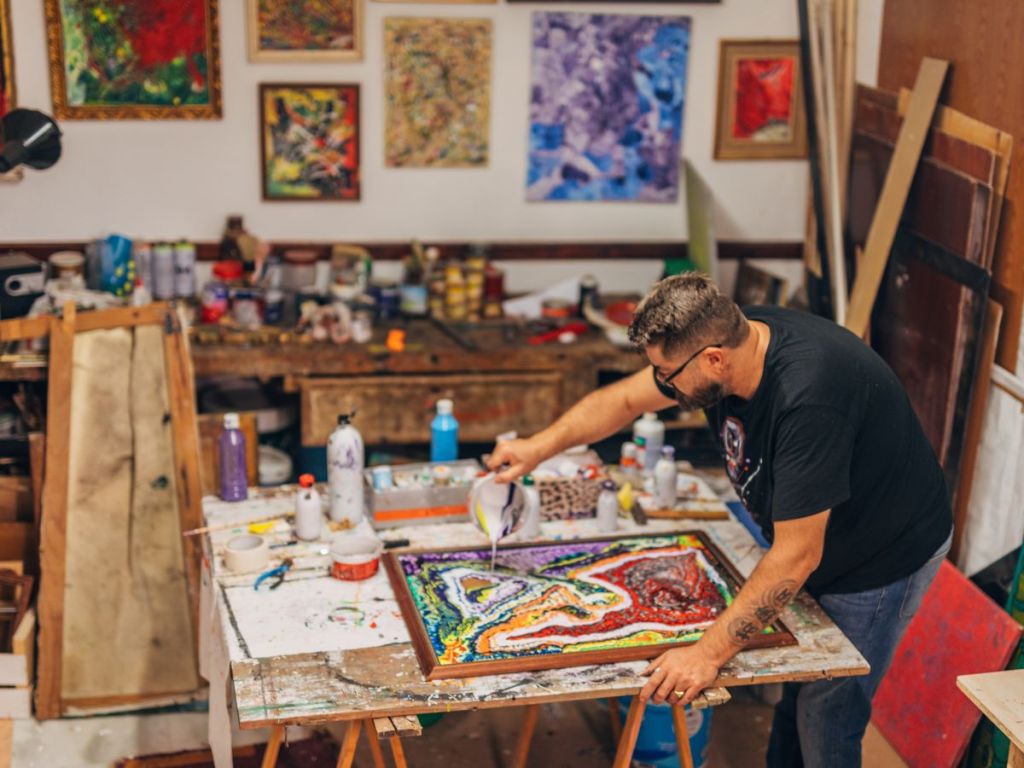
Once you’ve secured a location and handled the legalities, it’s time to set up your space. This includes purchasing furniture, installing proper lighting, and organizing your tools and supplies. An efficient layout will make your workflow smoother and your space more inviting to clients and students.
6. Marketing and Community Engagement
To attract clients and students, you’ll need a solid marketing strategy. Use social media, host open studio events, and collaborate with local artists to build your presence in the community. Offering workshops and classes can also help establish your studio as a creative hub.
7. Continuous Learning and Adaptation
Running an art studio isn’t just about creating art; it’s about managing a business. Be prepared to continuously learn and adapt. Whether it’s refining your marketing strategies or adjusting your class offerings based on demand, staying flexible will help you sustain and grow your studio over time.
Starting an art studio is a journey filled with creativity, challenges, and rewards. With careful planning and a clear vision, you can create a space that not only fosters your artistic talents but also inspires others.
 Canvas For Painting - Custom Size
Leave a comment