Managing an art studio involves a delicate balance of creativity and business acumen. Whether you’re an artist managing your own workspace or overseeing a collective, successful studio management ensures that creativity thrives while the business remains sustainable. Here’s a guide on how to manage an art studio effectively, with insights backed by research and real-world examples.
1. Organizing Your Space
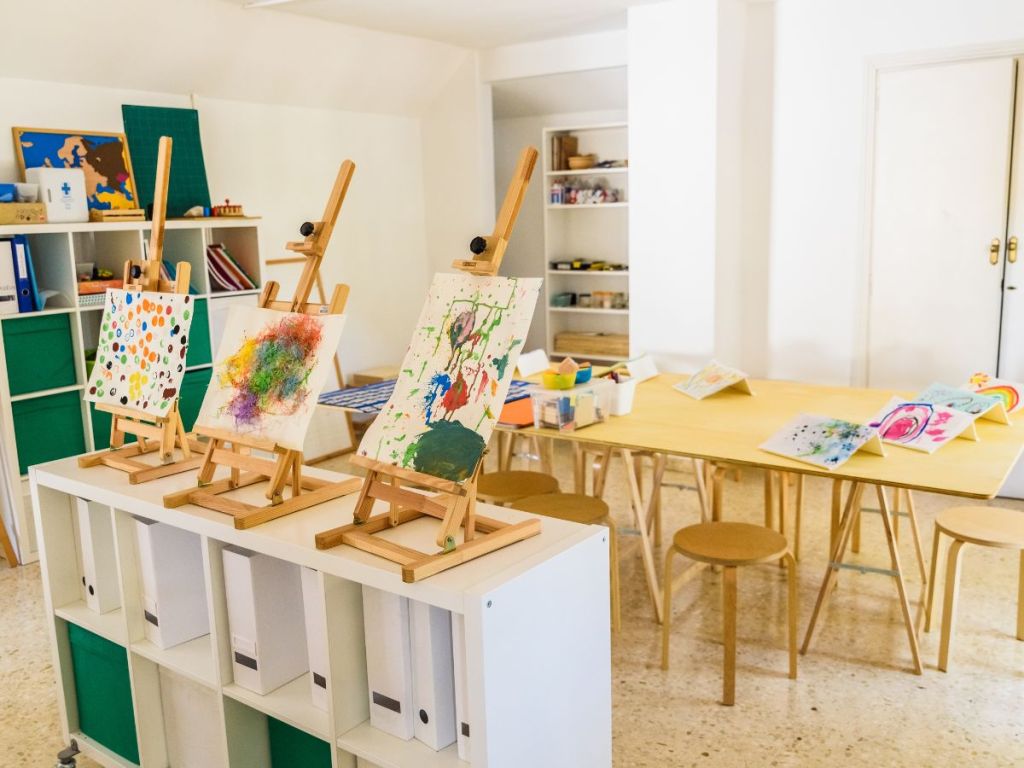
A well-organized studio fosters creativity by providing a clutter-free environment that allows artists to focus on their work. Proper organization also enhances efficiency, enabling easy access to materials and tools. This is crucial for maintaining a productive workflow, particularly in a shared studio space.
According to a study by Princeton University, clutter can make it difficult to focus on tasks, leading to decreased productivity and increased stress.
Organizing your studio—whether through storage solutions, labeled containers, or designated work zones—can significantly improve your creative output.
2. Financial Management
Managing the finances of an art studio involves more than just tracking expenses and revenue; it requires strategic planning and budgeting. Whether it’s purchasing materials, paying rent, or investing in marketing, having a clear financial plan is key to sustainability.
A report from the National Endowment for the Arts highlights that 55% of artists in the U.S. are more educated than the whole workforce, emphasizing the importance of financial literacy in sustaining a career in the arts.
Tools like accounting software can help track income and expenses, ensuring that your studio remains financially healthy.
3. Marketing and Client Relations
Marketing your art studio is essential for attracting clients, whether they’re collectors, students, or collaborators. In today’s digital age, having an online presence is crucial, along with traditional methods like open studios and exhibitions.
According to a survey by Art Basel and UBS, 62% of artists rely on social media platforms to market their work.
Creating a robust marketing strategy that includes social media, a website, and email newsletters can significantly boost your studio’s visibility and client engagement.
Learn our tips on how to promote in social media here.
4. Time Management
Balancing creative work with administrative tasks is a common challenge for studio managers. Effective time management ensures that you dedicate sufficient time to both aspects without burning out. Techniques like time blocking and prioritizing tasks can help maintain this balance.
By scheduling specific times for administrative duties and creative work, you can maximize productivity and keep your studio running smoothly.

5. Building a Collaborative Environment
If you manage a shared studio space, fostering a collaborative environment is key to maintaining harmony among artists. Clear communication, shared responsibilities, and mutual respect contribute to a positive and productive atmosphere.
Encouraging collaboration and setting clear guidelines for shared spaces can help your studio thrive.
By focusing on these key areas, you can ensure that your art studio not only survives but thrives, allowing you and other artists to focus on what matters most—creating exceptional art.
 Canvas For Painting - Custom Size
Leave a comment