Creating prints is an accessible and profitable way for artists to share their work with a wider audience. Printmaking enables artists to explore new techniques and reach new collectors at different price points. Here’s a detailed guide on how artists can start printmaking and some insights on its growing market.
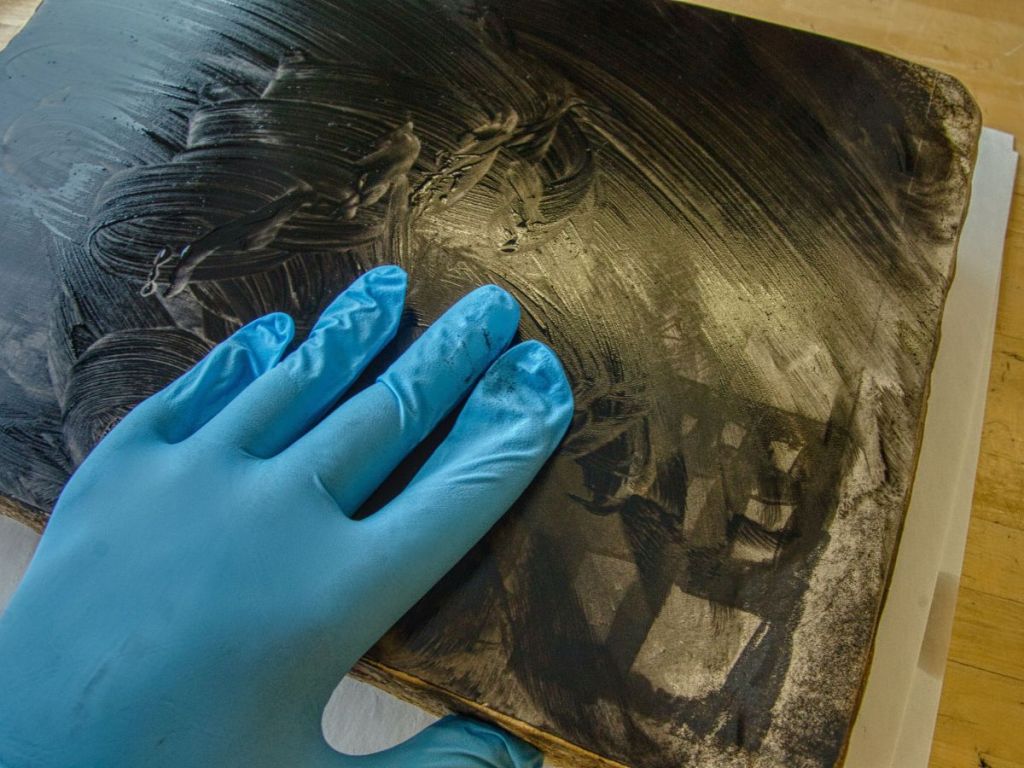


Understanding the Basics of Printmaking
Prints are produced by transferring images from a surface (like a plate or screen) onto paper or other materials. There are various printmaking techniques, each offering unique results:
1. Screen Printing (Silkscreen) – Popularized by artists like Andy Warhol, this technique involves using a stencil and mesh screen to transfer ink onto paper. It’s versatile and allows for bright, bold colors. Artists like Damien Hirst continue to use screen printing to produce affordable editions of their iconic works.
2. Etching and Engraving – These methods involve carving a design onto a metal plate, which is then inked and pressed onto paper. This technique is labor-intensive but produces intricate, detailed works. Many classical artists, such as Rembrandt, were renowned for their etchings.
3. Lithography – Invented in the 18th century, this process uses a flat stone or metal plate to create prints. The artist draws directly on the plate with an oil-based medium, and the design is transferred to paper using a press. This method is known for capturing subtle tones and textures.
4. Monoprints and Monotypes- These are one-off prints where no two are exactly alike. Artists paint directly onto a surface and press the image onto paper. This creates unique, expressive works that blend printmaking with painting.
The Market for Prints
The market for artist prints is flourishing, providing an accessible entry point for new collectors and allowing established artists to offer lower-priced alternatives to their original works.
According to market insights, prints can range from hundreds to thousands of dollars, depending on the artist, edition size, and technique used. For example, a monoprint by Warhol might fetch six figures, while a screenprint edition could be more affordable.
Institutions and collectors have also embraced printmaking as a core part of an artist’s practice, with exhibitions increasingly including prints. This gives collectors a chance to own a piece from renowned artists at a more accessible price point. In fact, printmaking is often considered a democratic art form, allowing wider participation in the fine art market.
Why Artists Should Consider Prints
Creating prints not only expands an artist’s portfolio but also opens up new revenue streams. By offering limited-edition prints, artists can sell multiples of the same design, which helps build a fan base and increases the artist’s visibility.
Printmaking also offers an avenue for experimentation. Artists can test new ideas, explore different color combinations, and refine their techniques without committing to a large-scale painting or sculpture.
Printmaking is a versatile and rewarding medium for artists. Whether through traditional techniques like etching or modern processes like screen printing, artists can create affordable, accessible works while maintaining artistic integrity. The booming market for prints also offers exciting opportunities for both established and emerging artists.
 Canvas For Painting - Custom Size
Leave a comment