A successful art gallery is not just about selling art; it’s about creating a space that fosters relationships between artists, collectors, and the public. Several factors contribute to the success of a gallery, each playing a vital role in its sustainability and growth.
1. Curating a Unique and Engaging Collection
The first step to a successful gallery is having a strong curatorial vision. Successful galleries curate a unique collection that appeals to both established collectors and emerging art lovers. Focusing on artists who create original, thought-provoking work helps a gallery stand out.
Galleries that curate around a specific theme or style tend to engage more deeply with their audience, as they provide a consistent and recognizable identity. This curated approach allows collectors to associate the gallery with a particular niche, building trust and loyalty.
2. Building Strong Relationships with Artists
Long-term success for any gallery is rooted in its relationships with artists. A gallery must provide ongoing support and loyalty to its artists. This includes promoting their work, ensuring fair representation, and creating opportunities for exposure beyond the gallery walls.
3. Creating a Welcoming Space for the Public
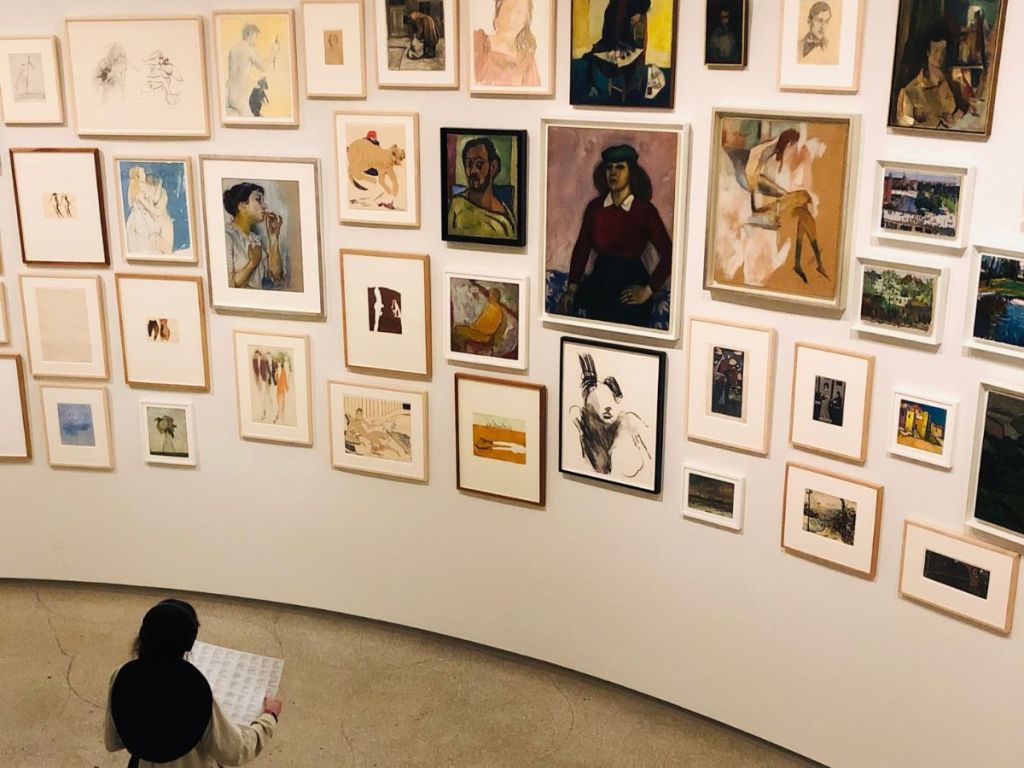
A successful gallery must be accessible, both physically and intellectually, to the public. The modern gallery should offer more than just exhibitions; it should be a space where the community feels welcome.
Hosting workshops, lectures, or interactive events helps build relationships with the public. This not only enhances foot traffic but also nurtures new collectors.
4. Leveraging Digital Platforms
In today’s market, having a strong online presence is crucial. Virtual galleries, social media marketing, and online art fairs provide new avenues for reaching collectors globally.
Research shows that galleries that adapt to e-commerce and digital platforms have seen significant growth. These galleries have tapped into an audience that might not have the time or means to visit physical exhibitions. For example, galleries that offer virtual tours and online viewing rooms attract a wider audience and create additional revenue streams.
5. Developing Relationships with Collectors
Building a loyal base of collectors is key. Successful galleries know their clients well and work closely with them to meet their needs, whether through personalized consultations or by offering exclusive previews. Fostering personal relationships with collectors can help a gallery thrive even during challenging market conditions.
By focusing on curatorial integrity, building relationships, and embracing digital trends, galleries can position themselves for sustainable success.
 Canvas For Painting - Custom Size
Leave a comment