In the world of art, terms like “mixed media” and “collage” are often used interchangeably, yet they represent distinct approaches to artistic creation. Both are important to modern and contemporary art, but understanding their differences can enrich your appreciation of these techniques and their impact on artistic expression.
What Is Mixed Media?
Mixed media refers to the combination of different artistic mediums to create a single artwork. This could involve blending traditional materials like paint, ink, and charcoal with unconventional elements such as metal, fabric, or digital media. The artist’s goal is often to build layers of texture, color, and depth, offering viewers a multi-sensory experience.

Historically, mixed media has its roots as far back as the Renaissance, where artists like Leonardo da Vinci employed multiple techniques to achieve complex visual effects. In contemporary times, mixed media has exploded in popularity, with artists such as Jackson Pollock pushing its boundaries by incorporating materials like enamel paint and glass.
A key feature of mixed media is its versatility—it’s a platform for experimentation where artists are free to explore and innovate, leading to artworks that defy traditional categorization.
What Is Collage?
Collage, on the other hand, is a technique that involves assembling various materials onto a flat surface, often with glue or adhesive. These materials can range from photographs and magazine clippings to fabric, newspaper, and painted elements. The essence of collage lies in the juxtaposition of these different elements to create a unified composition.
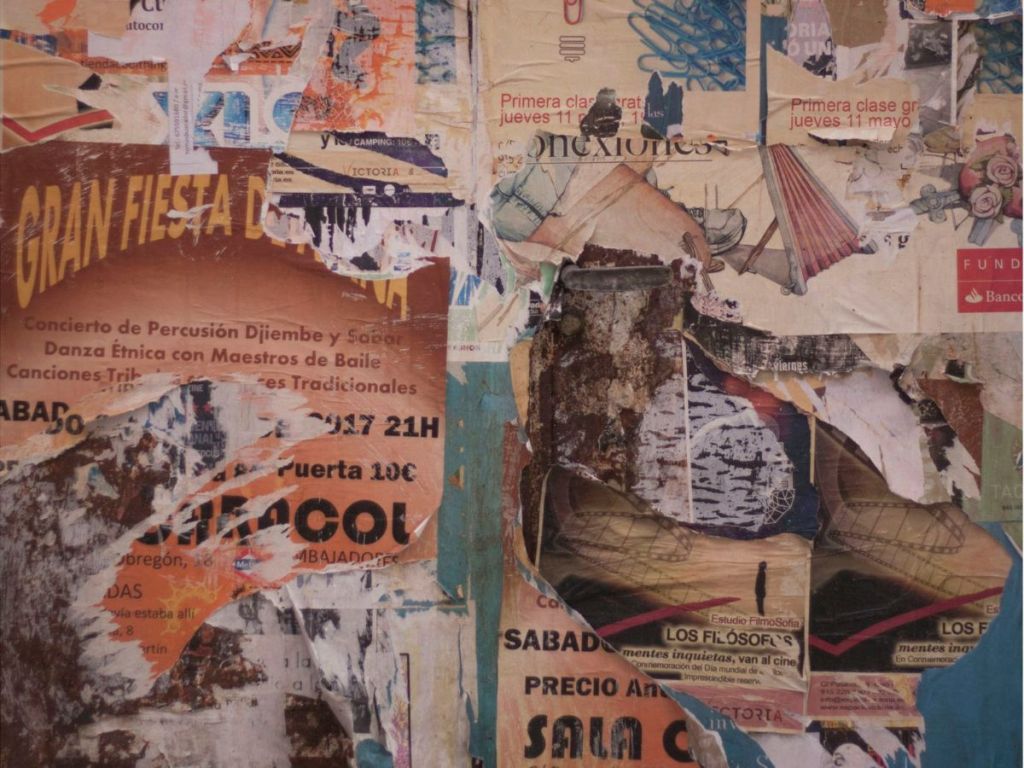
Collage has a long history, dating back to 12th-century Japanese calligraphers, but it gained prominence in the 20th century with movements like Cubism. Artists like Pablo Picasso and Georges Braque were pioneers in integrating everyday objects, such as newspaper clippings, into their compositions, making collage a core technique in modern art.
Key Differences
1. Dimensions – While collage is typically a two-dimensional form of art, confined to a flat surface, mixed media often incorporates three-dimensional elements such as sculptural components, giving it more physical depth.
2. Materials Used – In collage, the materials are often pre-existing—photographs, paper clippings, or fabric—assembled in a new way. Mixed media is more expansive, using both traditional and unconventional materials, and often incorporates paint, inks, or other media that alter the surface and texture of the artwork.
3. Technique – Mixed media allows for a greater range of techniques, including layering, painting, and even digital integration, making it more varied. Collage is more about composition and placement of pre-existing materials on a flat surface, though it can still be very dynamic in how those elements interact.
While mixed media and collage are closely related and often overlap, they differ in scope, technique, and purpose.
Mixed media allows for broader experimentation and can include various media across dimensions. Collage is a more focused form of artistic expression, rooted in the placement and juxtaposition of materials. Both art forms offer incredible creative possibilities, but understanding their unique characteristics will deepen your appreciation of the artistry behind them.
 Canvas For Painting - Custom Size
Leave a comment