Creating an art studio at home is not just a dream for many artists; it’s a necessity for maintaining a consistent and productive creative process. Whether you’re a painter, sculptor, or mixed media artist, a home art studio offers the freedom to create whenever inspiration strikes. With the right setup, you can turn any space in your home into a functional and inspiring studio.
1. Choose the Right Location
The first step in creating your home art studio is selecting a location. Ideally, you want a space with natural light, as it enhances color accuracy and reduces eye strain. Large windows or skylights are perfect. However, if natural light is limited, consider investing in daylight-balanced LED lamps to mimic sunlight.
Pro Tip: Consider turning an unused corner, spare bedroom, or even a basement into your studio. It’s essential that the space feels comfortable and is free from distractions, so avoid high-traffic areas.
2. Maximize Storage and Organization
Organizing your art supplies efficiently is important for maintaining a productive workspace. Shelves, drawers, and bins can help keep your materials organized, ensuring that everything has a designated place. If you work with multiple mediums, consider labeling storage containers for easy access.
Key Ideas:
- Install floating shelves to store paint, brushes, and other materials.
- Use rolling carts to keep your most-used supplies within arm’s reach.
- Incorporate pegboards on walls to hang tools and materials, freeing up desk space.

3. Create an Inspiration Board
An inspiration board is a fantastic way to keep your creative juices flowing. Pin up sketches, color swatches, magazine clippings, or photographs that inspire your work. This board can also act as a mood board for your current or upcoming projects, keeping you focused on your artistic vision.
Tip: Magnetic or cork boards work great, but digital boards like Pinterest can also serve as an additional source of inspiration.
4. Consider Ergonomics
When setting up your workspace, comfort is essential. Working long hours on a project can take a toll on your body if your workspace isn’t ergonomically designed. Choose a comfortable chair with proper back support and a desk or easel that allows for good posture.
Ergonomic Suggestions:
- Adjustable easels allow you to work at various angles.
- Consider a standing desk if you prefer to alternate between sitting and standing.
- Use anti-fatigue mats if you’re standing for extended periods.
5. Add a Personal Touch
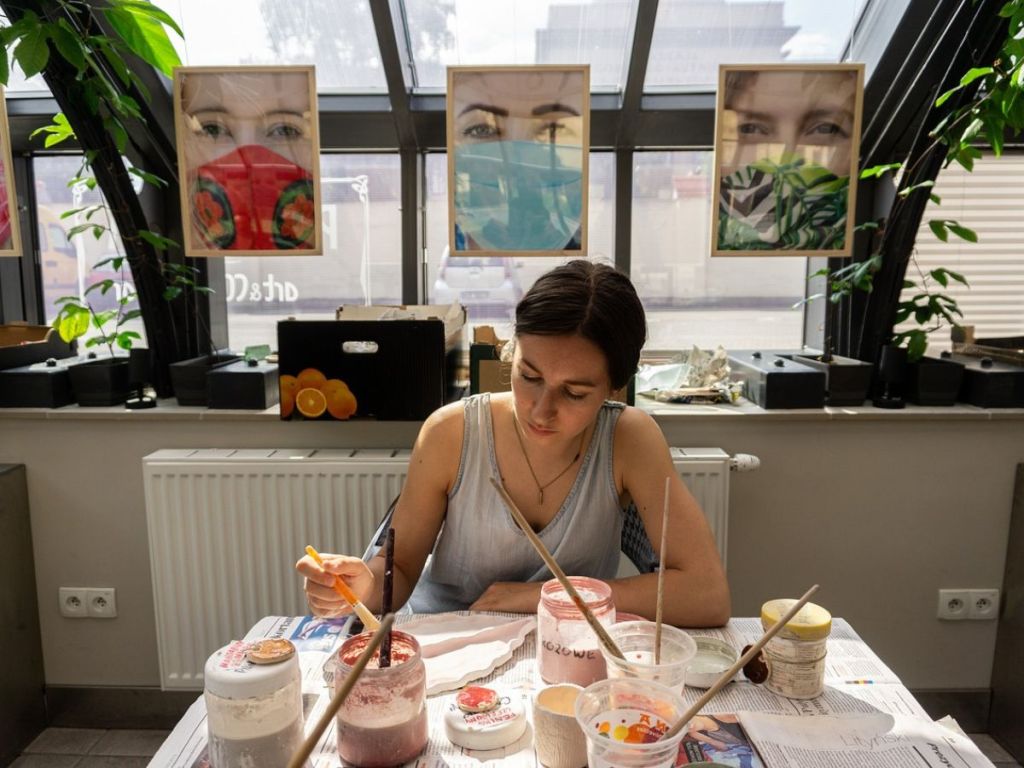
Your art studio should reflect your personality and be a place where you feel relaxed and inspired. Add personal touches such as favorite art pieces, a small plant for freshness, or even scented candles to create a calming atmosphere.
6. Ensure Good Ventilation
Ventilation is critical, especially if you work with paints, solvents, or other materials that emit fumes. If you’re using oil paints or spray finishes, proper airflow will prevent harmful fumes from lingering in the room. You can achieve this by installing exhaust fans or simply opening windows when you work.

7. Plan for Clean-Up
Creating art can be a messy process, so having an easy-to-clean area is essential. Use washable rugs or mats to protect the floor and place a trash bin nearby for discarded materials. If possible, set up a sink in or near the studio for quick and easy clean-up.
Setting up a home art studio doesn’t have to be complicated or expensive. With thoughtful planning, organization, and creativity, you can transform any space into an inspiring and functional studio that supports your artistic journey.
 Canvas For Painting - Custom Size
Leave a comment