Canvas paintings are delicate and can easily be damaged if not handled properly during storage and transport. Whether you’re preparing for an art show, moving to a new location, or simply storing your pieces for the long term, it’s crucial to ensure your artworks are protected.
In this guide, we’ll cover essential tips for safely storing and transporting canvas paintings, with practical advice backed by best practices from professional artists.
1. Properly Prepare Your Paintings for Storage
When storing canvas paintings, the goal is to protect them from environmental factors such as humidity, temperature changes, and dust. Improper storage can lead to mold growth, canvas warping, and color fading.
Key Tips for Storage:
- Climate control. Ensure that your storage space is climate-controlled. Paintings should be stored in environments with consistent temperatures (ideally around 70°F) and relative humidity between 45-55%.
- Avoid direct sunlight. UV light can cause colors to fade over time. Always store paintings in a dark or shaded area.
- Vertical positioning. Store paintings vertically with padding between them to prevent any warping or bending of the canvas. Avoid stacking them horizontally as this may cause indentations or damage to the artwork.
- Use acid-free materials. For long-term storage, wrap your paintings in acid-free paper or archival tissue to avoid discoloration.

2. Protecting Canvas Paintings During Transport
Transporting canvas paintings can be a nerve-wracking process, especially when dealing with large or fragile works. The key to safe transport is securing the artwork against physical damage, dust, and weather exposure.
Steps for Safe Transport:
- Wrap with protective layers. First, wrap the painting in a layer of glassine paper, a smooth and air-tight material that prevents smudging and dust accumulation. Over this, use bubble wrap to provide cushioning.
- Use corner protectors. You can purchase foam or cardboard corner protectors, or even create your own, to shield the canvas corners from impact.
- Hard cases or crates. For extra safety, especially when shipping long distances, place your wrapped painting in a custom-built wooden crate. Alternatively, use rigid cardboard boxes specifically designed for art transport.
- Secure the canvas. Inside the crate or box, secure the painting so it doesn’t shift during transit. Fill any empty space with foam padding or soft materials to absorb shock and vibrations.
Did You Know?
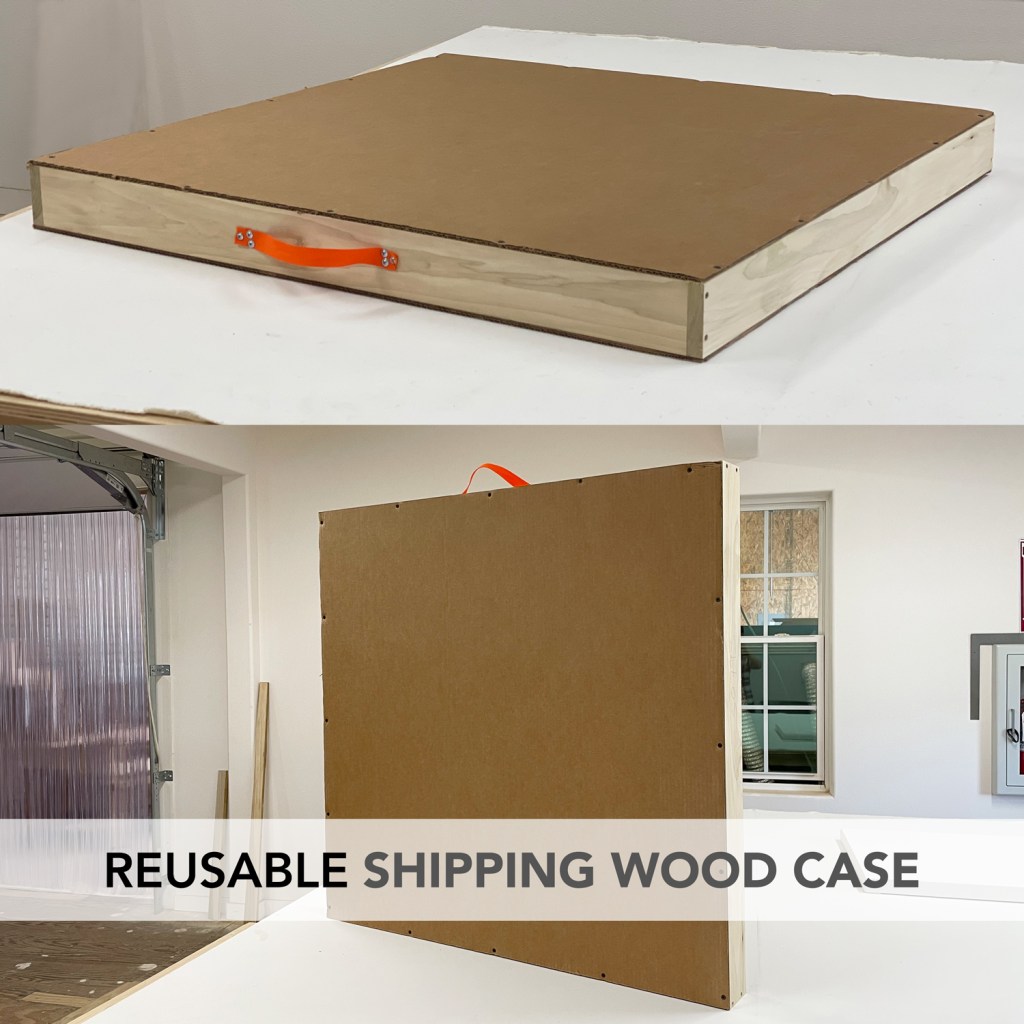
Each CanvasLot canvas comes with custom-built wood case, reinforced with double-wall cardboard. These cases are reusable, so they’re perfect for storing or transporting your artwork later on.
3. Shipping Canvas Paintings
If you’re shipping your painting, whether for a sale or exhibition, you must go beyond basic protection measures.
Pro Tips for Shipping:
- Insurance. Always insure your artwork before shipping. Many shipping companies offer special insurance options for fine art .
- Labeling. Label the package as “fragile” and specify that the contents are artwork. This increases the chances that the handlers will treat the package with care.
- Shipping provider. Choose shipping providers that have experience handling fine art, such as UPS or FedEx’s fine art shipping services .

4. General Maintenance for Stored Paintings
Even if your paintings are in storage, it’s essential to check them periodically to ensure they are in good condition. Dust can still accumulate, and temperature or humidity fluctuations may occur.
- Regular inspection. Every few months, inspect your stored canvases for signs of mold, dust, or fading. If stored in a high-humidity area, check for signs of warping.
- Cleaning. If needed, lightly dust the surface of the painting using a soft, dry brush. Be careful not to use water or cleaning products, as they may damage the paint layer.
Proper storage and transport of canvas paintings are crucial to maintaining the integrity and value of your work. By following these best practices, you can ensure your artwork remains in pristine condition for years to come.
 Canvas For Painting - Custom Size
Leave a comment