The art world has always been intertwined with technology, but in recent years, this relationship has rapidly evolved. Artists and galleries must now contend with digital tools and platforms, ranging from AI to blockchain, to successfully promote their work. Here’s how to stay ahead of the curve when embracing these technological changes to promote your art business effectively.
1. Leverage Social Media and Digital Platforms
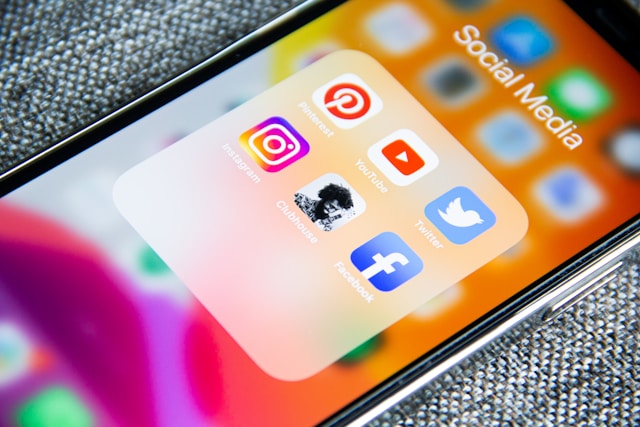
Social media platforms like Instagram, Facebook, and TikTok are essential tools for artists. They allow you to reach a wider audience, showcase your portfolio, and engage directly with potential buyers.
As of 2024, more than 5.07 billion people around the world are active on social media globally, making it a crucial space for building your brand visibility. In addition, artists can utilize platforms like Etsy or Shopify to sell their work directly to consumers without the need for a physical gallery space.
One key to success on social media is consistent and engaging content. This can include behind-the-scenes videos of your process, time-lapses of your work, or even live streaming events where you showcase new pieces. Using tools like Instagram Reels and TikTok videos can help attract a younger audience, who are increasingly interested in digital art and interactive experiences.
2. Embrace Digital Art Tools and AI
Technology such as AI is opening new creative possibilities. AI-generated art, for example, is rapidly growing, offering new avenues for artists to explore and even collaborate with machines. Platforms like Artbreeder allow artists to combine images and create new pieces using machine learning algorithms.
Though some artists and critics debate whether AI-generated art is “true” art, it’s clear that this innovation can help generate buzz and attract new collectors who are fascinated by the intersection of art and technology.

3. Utilize Blockchain for Art Authentication and Sales
Blockchain technology is transforming how art is authenticated, bought, and sold. By tokenizing digital art or using blockchain to track ownership and authenticity, artists can protect their intellectual property. This is particularly important in a world where digital art can be easily replicated.
Blockchain platforms such as Ethereum and marketplaces like OpenSea have created a space for artists to sell NFTs (non-fungible tokens), which are digital assets that verify ownership and originality.
Blockchain can also ensure transparency and security in art sales, particularly for high-value transactions. It allows for easy traceability, reducing the risk of forgeries, a problem that plagues over 50% of art transactions.
4. Adapt to Virtual Reality and Augmented Reality
Virtual Reality (VR) and Augmented Reality (AR) are reshaping how art is experienced. During the pandemic, virtual gallery tours and exhibitions became vital for keeping the art world connected.
Even post-pandemic, these technologies are expanding audience access. For example, artists can create immersive experiences using VR, allowing collectors to “step inside” the artwork from the comfort of their homes. This not only enhances engagement but also provides a unique selling point for tech-savvy buyers.

5. Stay Current with Online Trends
Keeping up with trends in digital marketing is important. As algorithms on platforms like Instagram change, it’s important to adapt your strategy. Paid social media campaigns, collaborations with influencers, and leveraging SEO strategies for your website are all critical for staying competitive.
Studies show that businesses with active SEO strategies grow twice as fast as those that rely solely on traditional marketing methods.
Final Thoughts
To thrive in the modern art market, embracing technological change is non-negotiable. From harnessing social media and AI to exploring blockchain and VR, artists who adapt to these tools will find themselves well-positioned to grow their brand and connect with new audiences. The intersection of art and technology offers boundless opportunities for innovation and market expansion.
 Canvas For Painting - Custom Size
Leave a comment