Mixed media art offers an exciting world of creative possibilities for artists looking to expand their style by combining different materials with traditional paints. This approach adds depth, texture, and unique storytelling elements to your pieces.
Here’s a guide to help you explore mixed media art and effectively use various materials with paint.
1. Choose Your Base and Materials
The first step in mixed media is selecting a stable base, such as canvas, wood panel, or heavy watercolor paper, to support multiple layers and textures. The versatility of a strong base allows you to work with materials like:
- Acrylic and oil paints. Common choices due to their vibrant color and durability, especially when combined with texture-enhancing materials.
- Fabric and textiles. Textiles like burlap, silk, or canvas scraps adds a tactile, layered effect.
- Found objects. Everyday items like buttons, newspaper clippings, or vintage photos can give a piece historical context or personal meaning.
- Natural materials. Sand, leaves, and small stones can bring organic texture and create a sense of connection to the natural world.
Each material introduces its own visual language, and combining them with paint enhances the work’s depth, both physically and conceptually.
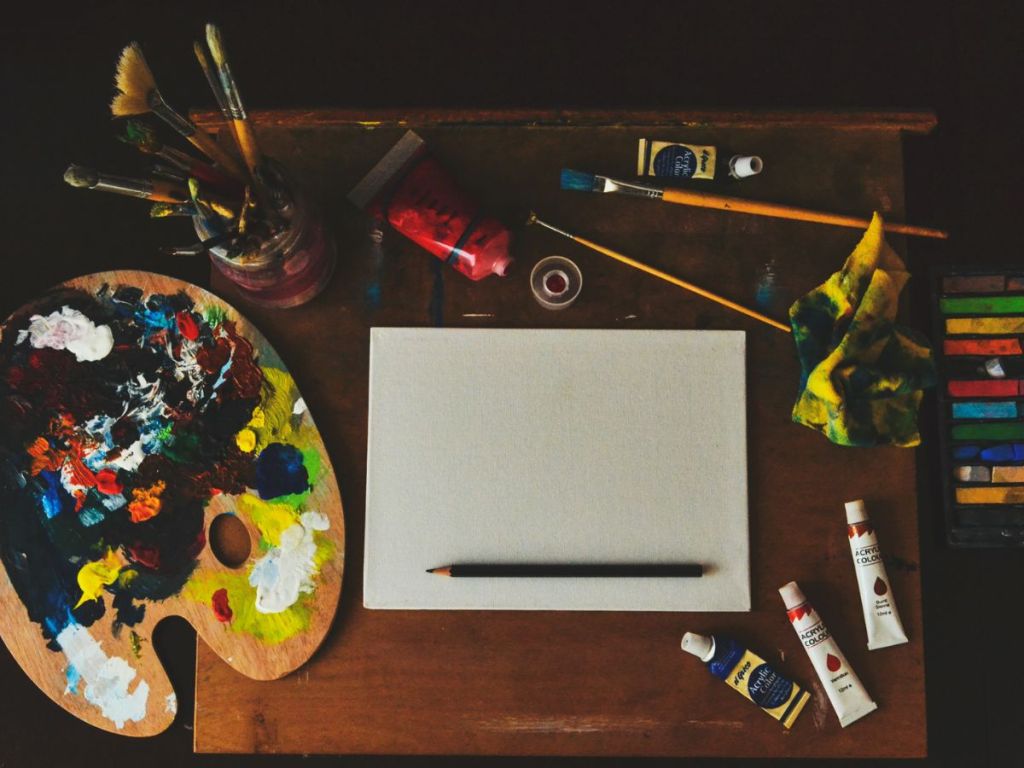
2. Plan and Experiment with Techniques
Planning how to incorporate various elements is essential, but experimenting with techniques adds a spontaneous touch. Here are some popular mixed media techniques:
- Collage. Layering images, papers, or fabric with paint creates a visually rich surface. Many artists use this technique to convey complex narratives or moods. Learn the difference between mixed media art and collage here.
- Textural layers. Modeling paste, gel mediums, and textured gels can create raised areas on the canvas. Apply these before painting to add dimension, or layer them on top for a dynamic finish.
- Stencil and spray paint. Stencils provide repeatable patterns, while spray paint can add an edgy, street-art look. Together, they offer exciting contrasts, especially when used with traditional brushwork.
- Digital prints. With advancements in printing technology, artists now print images onto canvas or paper and integrate them with paint. This technique bridges digital and traditional media, offering endless creative potential.
Experimenting with these techniques helps you find your voice within mixed media. Embracing both controlled and unplanned effects can lead to surprising and visually engaging results.
3. Play with Color and Texture
Using mixed media allows for a variety of textures that enhance the interplay of color and light. For example, acrylic paints combined with fabric scraps or sand create a textured surface that catches light differently across the artwork.
Texture plays a key role in color dynamics as well. By using contrasting textures, such as glossy acrylic with rough sand, artists can amplify color depth and achieve a rich visual experience.
According to the Tate Museum’s mixed media guidelines, layering different textures on canvas creates intricate light reflections that transform the viewer’s experience with each angle.

4. Seal and Preserve Your Work
Once your mixed media piece is complete, it’s important to preserve it. Use a suitable sealer, like a UV-protective varnish, to protect from fading, dust, and moisture. Different sealers offer varied finishes—from matte to glossy—so choose one that complements the textures in your piece.
5. Let Your Creativity Soar
Ultimately, mixed media is about freedom—freedom to explore, combine, and innovate. As you blend paint with different materials, allow yourself to experiment and follow intuition.
There are no strict rules, only a limitless canvas where textures, colors, and found objects come together to tell a unique story. By trying new methods and techniques, you’ll find your style in the mixed media world.
Mixed media art opens the door to endless creative possibilities, allowing you to make your work as rich and layered as your imagination. So grab those paints, fabrics, or any item that inspires you and begin your journey into the vast, textured world of mixed media!
 Canvas For Painting - Custom Size
Leave a comment