Light and shadow are two of the most essential tools in an artist’s toolkit when it comes to adding depth to a painting. Mastering these elements can transform a flat canvas into a dynamic, three-dimensional world that captivates viewers.
Whether you’re a beginner or an experienced painter, understanding how to use light and shadow will bring your art to life. Here are nine tips to help you use these techniques effectively.
1. Define Your Light Source
To create convincing depth, start by establishing a clear and consistent light source. Whether it’s a single light from a window or a diffuse glow, knowing where your light originates helps to determine where shadows and highlights will fall. This primary light source sets the tone for the entire painting and anchors each element in a unified, realistic space.
2. Use Value for Depth and Contrast
Value refers to the lightness or darkness of colors, which is crucial in achieving depth. Higher contrast—stronger differences between light and dark values—makes objects appear closer to the viewer, while lower contrast gives a sense of distance.
Practicing with grayscale sketches can help you understand how different values can shape and build form, making your compositions feel grounded and three-dimensional.
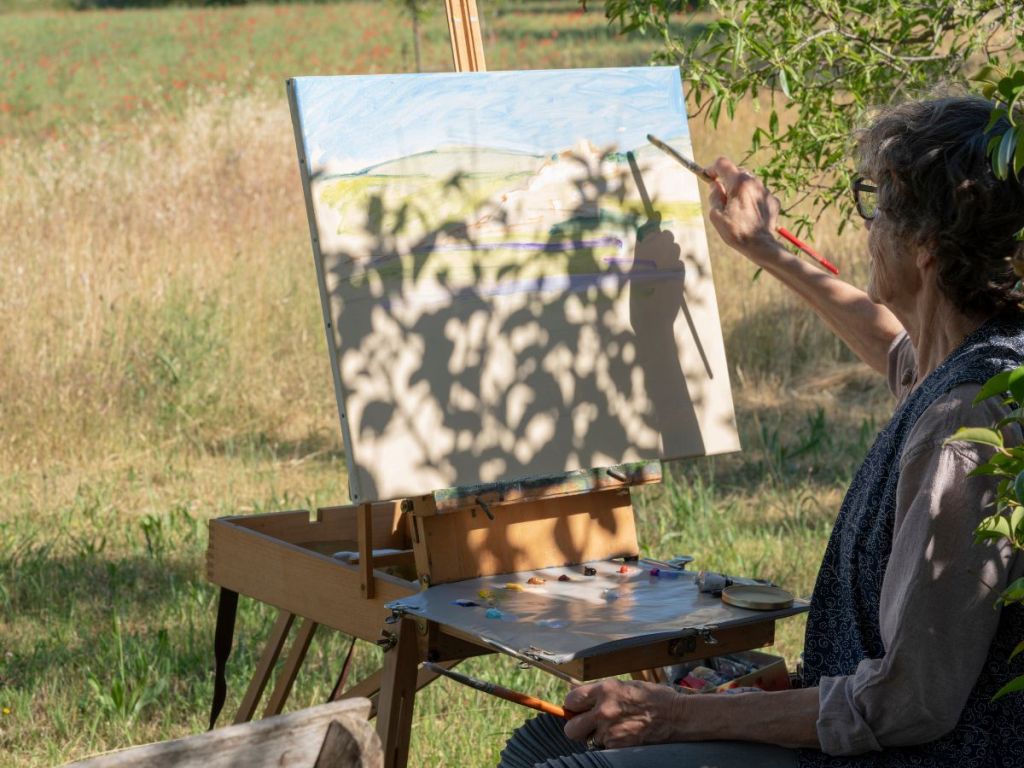
3. Employ Gradients for Smooth Transitions
Gradual blending between light and shadow creates a realistic, softened look. This technique, called “gradation,” avoids harsh lines and allows you to develop a sense of volume and curve. Think of how shadows soften as they move away from the object, or how highlights gently transition into midtones on curved surfaces. You can achieve these gradients with techniques like glazing or dry brushing.
4. Leverage Color Temperature
Warm and cool colors can create spatial illusions. Warm colors (like reds, oranges, and yellows) generally advance towards the viewer, while cool colors (like blues and greens) tend to recede.
By using warmer colors in the highlights and cooler tones in the shadows, you can enhance the depth and make objects appear more solid and dynamic.
5. Incorporate Reflective Light
Reflective light, or “bounce light,” occurs when light bounces off surfaces and illuminates nearby objects. This technique adds depth by preventing shadows from looking too flat or harsh. Subtle hints of reflective light in shadowed areas suggest that objects are part of a three-dimensional space, creating a more integrated and realistic effect.

6. Pay Attention to Atmospheric Perspective
For landscapes or expansive scenes, atmospheric perspective plays a significant role in creating depth. As objects recede into the distance, they lose contrast and color saturation due to light scattering in the atmosphere. Lightening your values and softening edges in distant objects will make your foreground elements pop, adding to the painting’s realism.
7. Experiment with Cast and Form Shadows
Shadows in a painting are not all created equal. Cast shadows—shadows that an object projects onto another surface—tend to have harder edges, while form shadows (shadows within the object itself) are softer.
Paying attention to both types of shadows and their varying degrees of intensity helps to clarify form and suggest how objects interact with each other.
8. Practice Highlight Placement for Focus
Highlights should be placed thoughtfully. They are the brightest areas, where light hits directly, and they’re essential for capturing attention. Use highlights sparingly and strategically, as they draw the eye and create contrast with shadows. This contrast not only adds depth but also emphasizes key elements of your composition.
9. Study from Life and Other Artists
Observing real-life light and shadow interactions is invaluable. Set up simple scenes with a strong light source and pay attention to how shadows fall, transition, and vary in intensity. Also, look to master painters like Caravaggio or Rembrandt, who were pioneers in using light and shadow to create mood and depth.
By refining these techniques, you can transform your work from a flat image to an inviting, immersive scene. Practicing with light and shadow will give your paintings more impact, depth, and dimension, enhancing the overall viewing experience.
 Canvas For Painting - Custom Size
Leave a comment