Achieving realistic textures on canvas is a hallmark of skillful artistry. Whether you’re aiming for the subtle skin tones of a portrait or the intricate patterns of natural elements, mastering texture brings depth and realism to your work.
Here’s a guide to creating lifelike textures on canvas with expert techniques and insights.
1. Preparing the Canvas
A well-prepared canvas is essential for realistic textures. Start by applying a layer of gesso, which primes the surface and enhances paint adherence. Some artists prefer using coarse gesso to create a textured base, while others sand between layers for a smoother finish, depending on the desired effect.
2. Layering and Underpainting
Layering is key to building textures that mimic reality. Start with an underpainting—a monochromatic layer to define the basic shapes, tones, and shadows. This technique is widely used in hyperrealism and provides a foundation for further detail. For example, burnt umber or sienna tones work well to create a mid-ground.

3. Dry Brush Technique
The dry brush technique is ideal for adding fine, rough details, such as fabric fibers or aged surfaces. Load a minimal amount of paint on a dry brush and apply it lightly to the canvas. This creates a broken, uneven texture that mimics realistic wear.
4. Glazing for Depth
Glazing involves layering thin, transparent paints over dry layers. This technique enhances depth and tonal transitions. Artists like Rembrandt used it to add subtle shifts in skin tone and realistic shadow effects. Using a glazing medium can help create this effect smoothly.
5. Impasto and Palette Knife Application
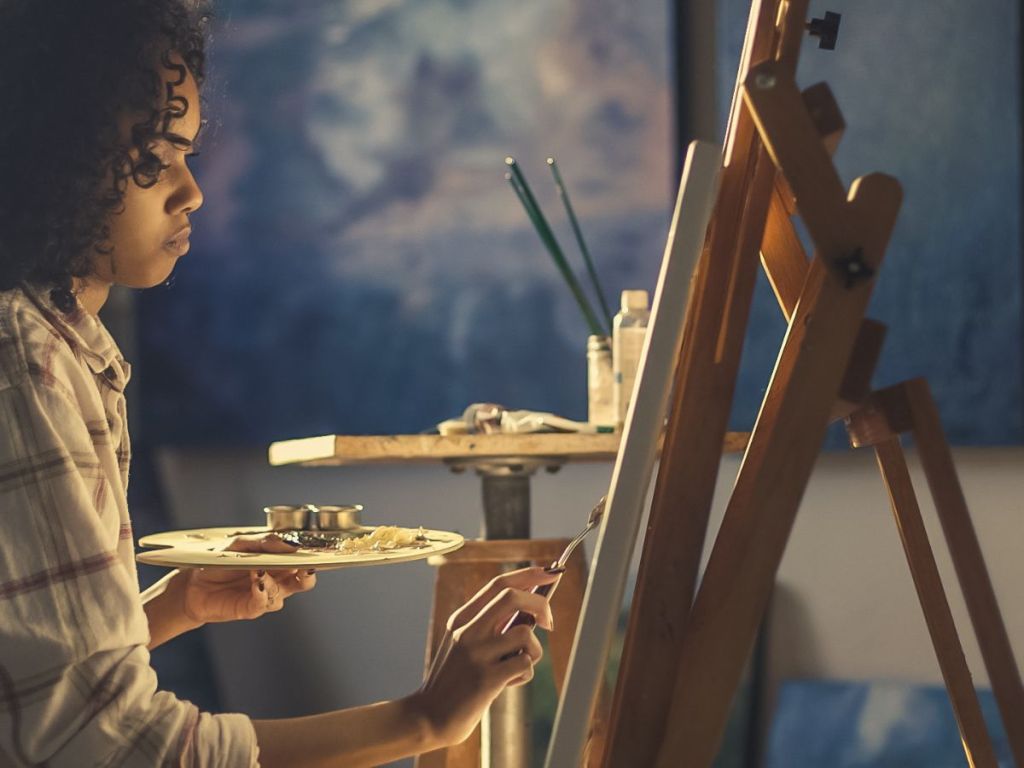
For three-dimensional textures like bark or heavy fabrics, impasto techniques are effective. Thick paint is applied with a palette knife or brush, creating a raised surface that interacts dynamically with light. This technique is particularly effective for abstract or dramatic textures.
6. Incorporating Mixed Media
To elevate realism, consider integrating mixed media elements such as sand, fabric, or modeling paste. These materials can mimic real-world textures, like soil or stucco, when blended with paint.
7. Tools for Precision
Modern tools like airbrushes and fine-tipped brushes allow for precise detail work, such as skin pores or hair strands. Digital tools can also be combined with traditional methods for planning and refining textures.
 Canvas For Painting - Custom Size
Leave a comment