For painters, proper storage and transportation of canvases—whether blank or finished—can make the difference between pristine artwork and frustrating damage. From humidity control to sturdy packaging, here are essential tips to keep your canvases in perfect condition.
1. Control the Environment for Canvas Storage
Canvases are sensitive to temperature and humidity fluctuations. Poor conditions can cause the fabric to warp, stretch, or even grow mold, particularly for stretched canvases or oil paintings.
Solution:
- Store canvases in a dry, cool environment with relative humidity between 40%–60%.
- Avoid basements, garages, or attics, as these areas often experience temperature swings and moisture buildup.
- Use dehumidifiers or climate-controlled rooms if you live in a humid area.
Pro Tip: Consider storing finished pieces in archival-quality storage sleeves or acid-free coverings to prevent dust or discoloration over time.
2. Store Canvases Upright and Supported
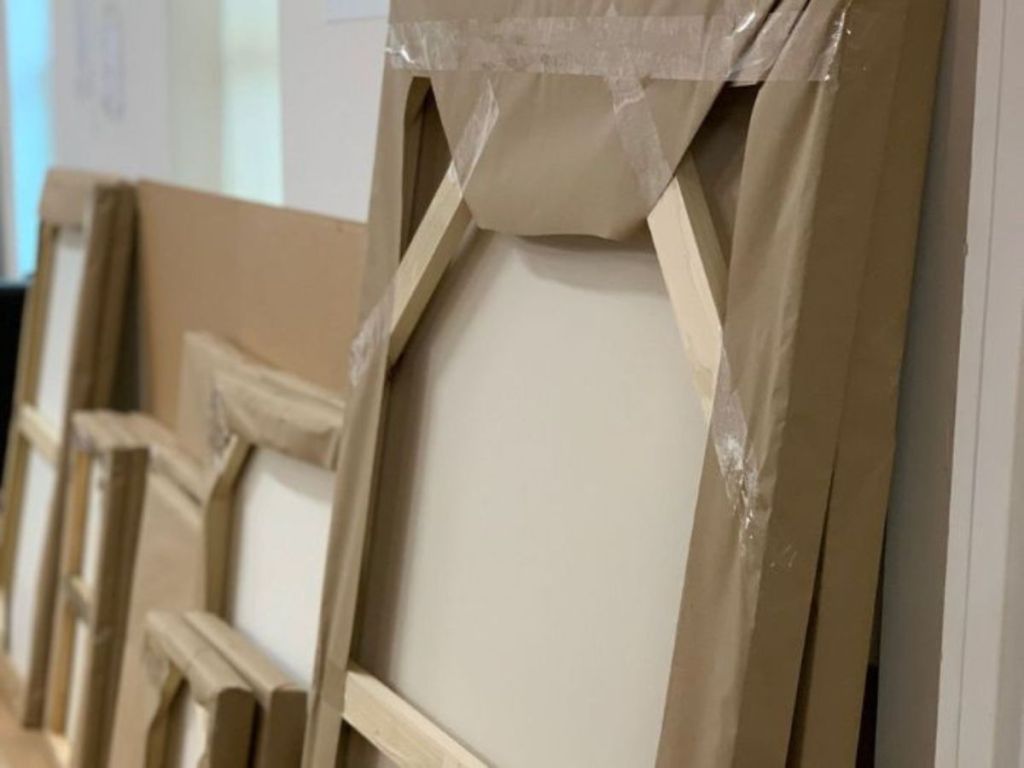
Laying canvases flat can lead to pressure marks, indentations, or even sagging fabric, especially for larger canvases. Proper vertical support keeps tension intact.
Solution:
- Store canvases upright against a wall or shelving system with a slight tilt (5–10 degrees) to prevent falling.
- Use separators (foam boards, cardboard sheets, or wooden slats) between each canvas to avoid direct contact and surface scratches.
- For large canvases, use racks or built-in vertical dividers to ensure stable storage.
3. Protect the Surface of Completed Paintings
The painted surface is the most delicate part of a canvas. It can smudge, crack, or stick to other materials if not handled carefully.
Solution:
- Place glassine paper (a non-stick, acid-free material) over painted surfaces for protection, particularly for oil and acrylic paintings.
- Never stack paintings face-to-face without a separator to avoid paint transfer.
- Use bubble wrap only on the reverse side of paintings. Direct contact with the paint can cause texture imprints.
4. Use Proper Packaging for Transport
Transporting canvases exposes them to physical movement, vibrations, and potential impact. Without proper packaging, corners may dent, paint may crack, or frames may bend.
Solution:
- Wrap canvases securely with glassine paper, then use foam padding or cardboard sheets for edge protection.
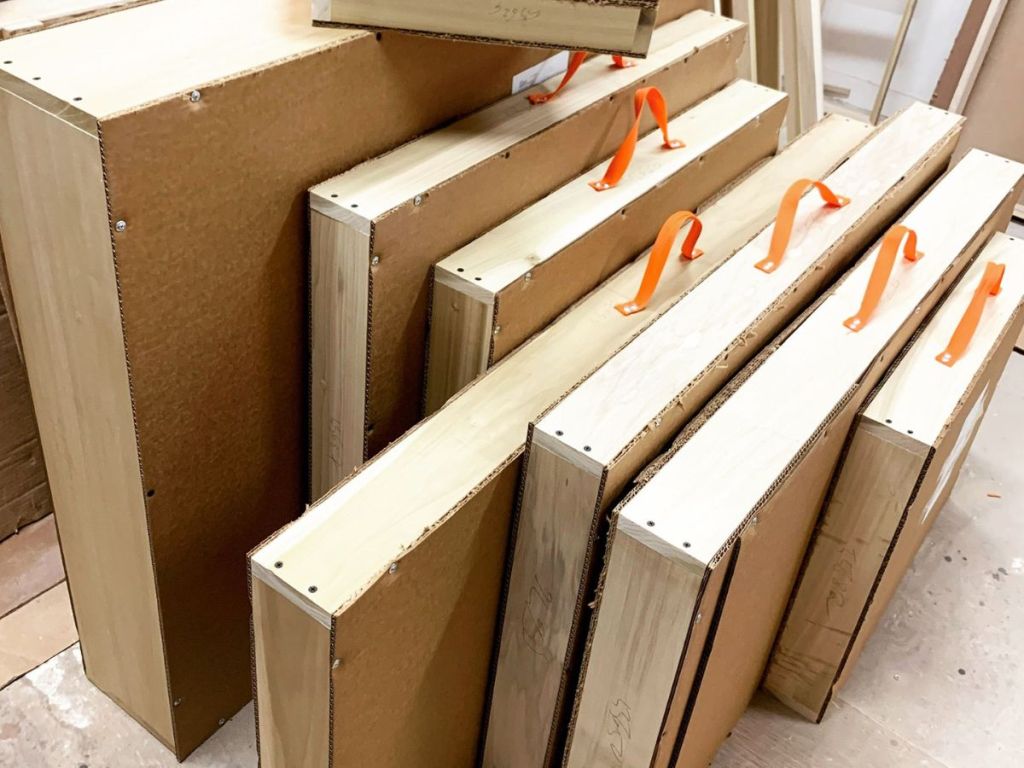
- For framed or stretched pieces, consider custom-sized art shipping boxes with reinforced corners.
- Large canvases should be transported individually or with dividers between each piece to prevent contact.
5. Handle Canvases with Care During Transportation
Loading and unloading canvases into vehicles can cause sudden jolts or damage. Ensuring proper handling techniques reduces risk.
Solution:
- Always carry canvases upright with both hands on the edges. Avoid holding the canvas by its fabric surface.
- Secure canvases in the transport vehicle using straps or padded stands to minimize movement.
- For long-distance shipping, work with specialized art shipping services for added protection.
6. Invest in Storage Solutions for Studios
Artists often accumulate multiple canvases, both finished and unused, which can clutter the studio and risk damage if not organized.
Solution:
- Install vertical canvas racks or shelving units to store multiple pieces safely.
- Use art portfolios or storage bags for smaller canvases to maintain order and protection.
- Label storage areas by size, project, or medium for easier organization and retrieval.
Painters can effectively store and transport canvases without damage by maintaining a controlled environment, using protective materials, and prioritizing careful handling. These tips will ensure both blank and completed works remain pristine, saving time, money, and effort in the long run.
 Canvas For Painting - Custom Size
Leave a comment