Canvas art offers boundless opportunities for creativity, and mastering techniques like glazing and scumbling can elevate your paintings to new heights. These two methods, though distinct, share the power to add depth, texture, and visual intrigue to your work.
Let’s learn what makes these techniques invaluable and how you can incorporate them into your artistic process.
Glazing: The Art of Transparency
Glazing involves applying thin, transparent layers of paint over a dry base layer to create luminous effects.
Why it’s transformative: Glazing enhances depth and vibrancy by allowing underlying colors to shine through. It’s particularly effective for creating soft transitions, glowing highlights, and atmospheric effects.
How to do it: Use a slow-drying medium like linseed oil for oils or a glazing medium for acrylics. Mix your paint with the medium to achieve a translucent consistency. Apply with a soft brush, letting each layer dry completely before adding the next.
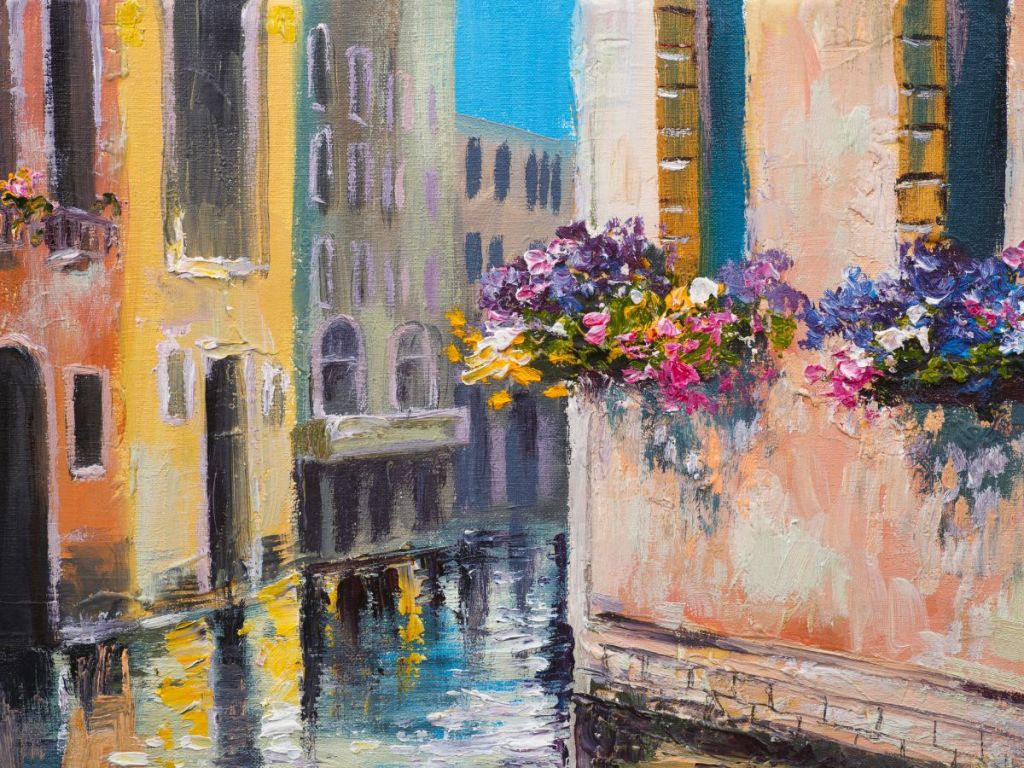
For example, you can use glazing to achieve the radiant glow of sunlight filtering through leaves or to give skin tones in portraits a life-like warmth.
Patience is key—layering gradually builds the desired richness and complexity.
Scumbling: Adding Texture and Light
Scumbling is the opposite of glazing; it involves applying a dry, opaque layer of paint with a brush or sponge, allowing the base layer to peek through.
Why it’s impactful: This technique creates a textured, hazy effect, perfect for adding highlights or softening areas. It’s ideal for portraying mist, clouds, or the rough texture of natural surfaces like rocks and bark.
How to do it: Use a dry brush or sponge and lightly drag paint over the surface, ensuring the underlying layer remains partially visible. With oils, use paint straight from the tube; for acrylics, work quickly before the paint dries.

Scumbling adds energy and spontaneity to your work. Its imperfect nature invites experimentation, making it a favorite for creating mood and atmosphere.
When to Use Glazing or Scumbling
Glazing: Best for subtle, luminous effects. Use it in landscapes for ethereal skies or portraits for lifelike skin tones.
Scumbling: Ideal for adding texture or softening harsh lines. Try it in abstract works or to create dramatic highlights.
These techniques can also complement each other—start with a glazed base for depth, then scumble over it to introduce texture and light.
Tips for Success
- Experiment with tools. Try brushes, sponges, or even palette knives to discover what works best for you.
- Practice layering. Mastering the balance between transparency and opacity is crucial.
- Use high-quality materials. Pigments with excellent transparency for glazing and sturdy brushes for scumbling will yield better results.
Glazing and scumbling are time-tested techniques that bring unparalleled depth and dimension to canvas art. Whether you’re chasing glowing light effects or dynamic textures, these methods allow you to push the boundaries of your creativity.
So, grab your brushes and experiment—your next masterpiece awaits!
 Canvas For Painting - Custom Size
Leave a comment