As an artist, your canvas is more than just a surface—it’s the foundation of your creative expression. Selecting the right canvas can significantly impact the texture, durability, and overall aesthetics of your artwork. Let’s learn the key factors to consider when choosing a canvas that aligns with your artistic vision.
1. Canvas Material
The material of your canvas influences its texture and longevity. Here are common options:
- Cotton Canvas – Affordable and versatile, cotton canvases are popular among artists. They work well with both oil and acrylic paints, offering a smooth surface for detailed work or a textured one for expressive brushstrokes.
- Linen Canvas – Preferred by professionals for its strength and durability, linen provides a fine texture ideal for detailed and realistic paintings. However, linen canvases tend to be pricier.
- Synthetic Canvas – Made from materials like polyester, synthetic canvases offer uniform texture and resistance to environmental changes. They are suitable for a wide range of painting styles and mediums.

2. Canvas Weight
Canvas weight refers to the thickness and density of the fabric, typically measured in ounces per square yard (oz/yd²). Consider the following:
- Lightweight canvas (4-5 oz) – Suitable for smaller works or paintings that will be framed.
- Medium-weight canvas (7-8 oz) – Versatile and works well for most painting sizes.
- Heavyweight canvas (10-12 oz) – Ideal for large-scale or heavily textured works.
3. Canvas Texture
The texture of your canvas affects the final appearance of your artwork:
- Medium texture – Most commonly used and versatile, suitable for both detail and more abstract pieces.
- Rough texture – Best for abstract artworks or expressive brush strokes, as the rough surface catches more paint and creates a dynamic effect.
4. Canvas Priming
Priming prepares the canvas surface and influences paint application:
- Unprimed – Offers the most absorption and is typically used by artists who prefer to customize their priming layer according to their specific technique or effect.
- Acrylic primed – Suitable for both acrylic and oil paints, this type of priming is flexible and ready to use.
- Oil primed – Exclusively for oil paints, oil-primed canvases have a softer and more vibrant finish but are generally more expensive.
5. Canvas Format
Consider the format that best suits your workflow and storage needs:
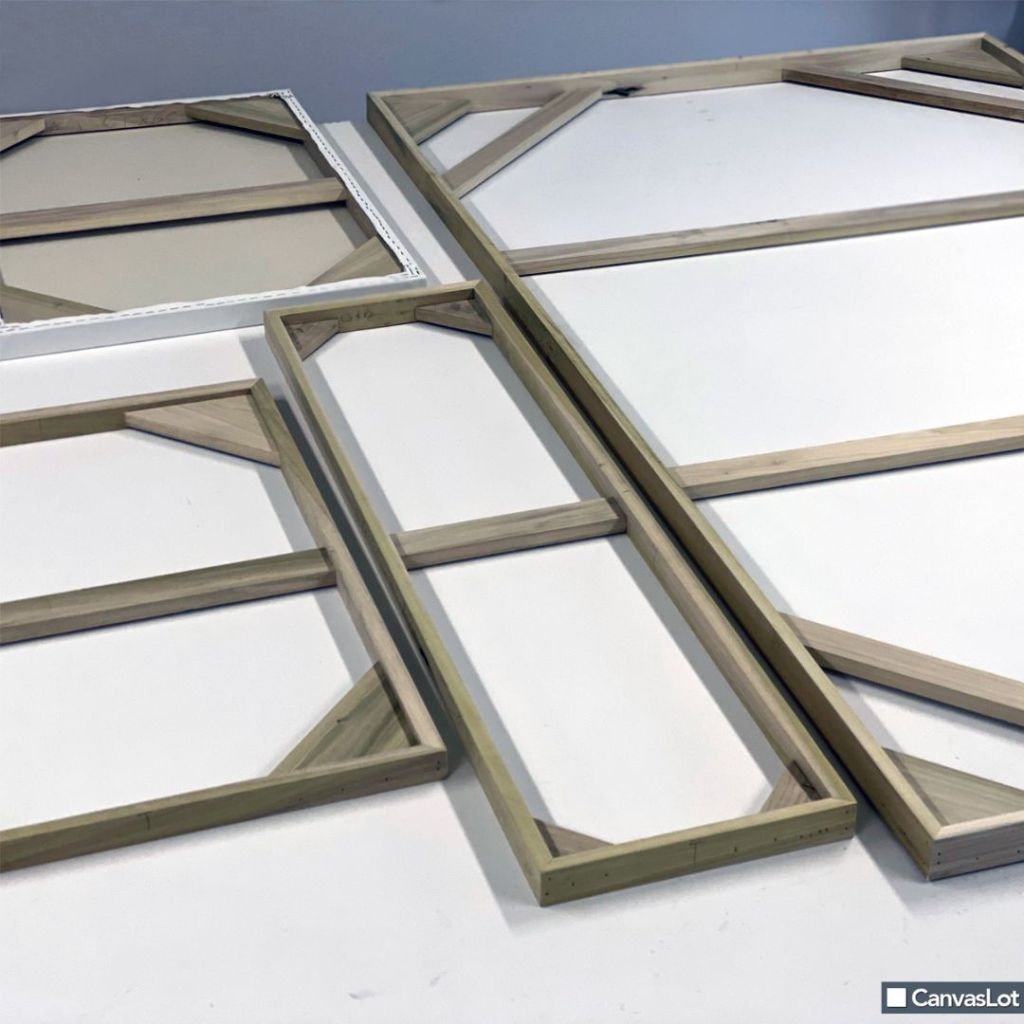
- Stretched canvas – Ready to use and available in various sizes, stretched canvases are mounted over wooden bars.
- Canvas panels – These are canvases glued to rigid boards. They are excellent for beginners and outdoor painters because they are lightweight and easy to transport.
- Canvas rolls – For those who prefer custom sizes or large-scale works, buying canvas by the roll and stretching it yourself allows for more flexibility and cost-effectiveness.
6. Canvas Size
The size of your canvas should complement your subject matter and intended display space:
- Intended space – Consider where your painting will be displayed. A small canvas might get lost on a large wall, while an oversized canvas could overwhelm a small room.
- Subject matter – Size should complement your subject matter. Portraits often work well on smaller canvases, while landscapes or abstracts may demand larger dimensions.
- Budget – Larger canvases are more expensive, so balance your artistic vision with your budget.
With thoughtful selection of a canvas that aligns with your art style and techniques, you lay a solid foundation for your creative endeavors. Remember, the perfect canvas is one that resonates with your artistic vision and enhances your expression. Happy painting!
 Canvas For Painting - Custom Size
Leave a comment