Artists have long used various techniques to breathe life into their canvases, and two of the most effective methods are dry brushing and underpainting. These techniques not only enhance the visual depth of a piece but also give it an undeniable richness and character.
Whether you’re a seasoned painter or just starting, understanding and experimenting with these methods can elevate your art to a whole new level. Let’s explore how these techniques work and why they matter.
What is Dry Brushing?
Dry brushing is a painting technique that involves using a minimal amount of paint on a brush that is almost dry. Instead of creating solid, smooth strokes, the technique produces broken, textured marks that allow the underlying layers to show through. The result is a subtle, soft effect that can add depth and dimension to your work.
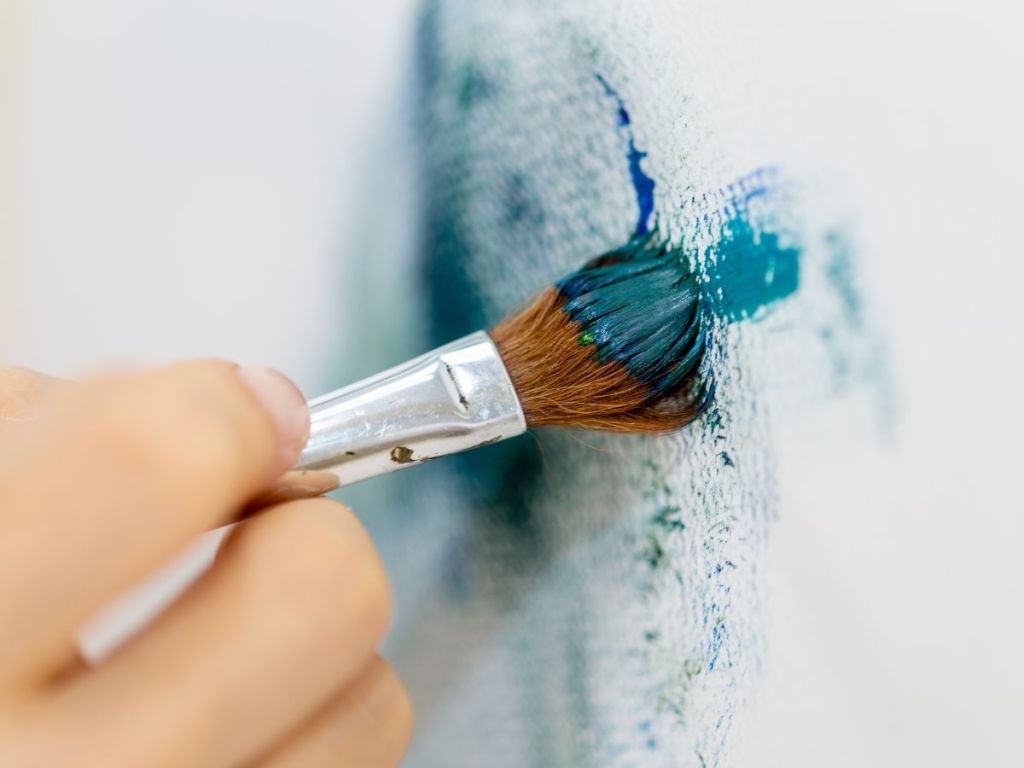
How to Dry Brush:
- Prepare your brush. Choose a stiff-bristle brush. Dip it lightly into the paint, then blot off most of the pigment onto a cloth or paper towel.
- Apply to the canvas. Use light, sweeping strokes over the surface. This works especially well on textured surfaces like gessoed canvases.
- Layer wisely. Dry brushing is excellent for creating highlights, adding texture, or mimicking the look of weathered or aged objects.
This technique is particularly popular for landscapes, portraits, and even abstract works where creating an ethereal or rugged quality is desired.
What is Underpainting?
Underpainting is the first step in many traditional painting processes. It’s essentially a preliminary layer of paint that serves as the foundation for the final work. Artists use underpainting to map out compositions, establish tonal values, and create depth beneath subsequent layers of paint.
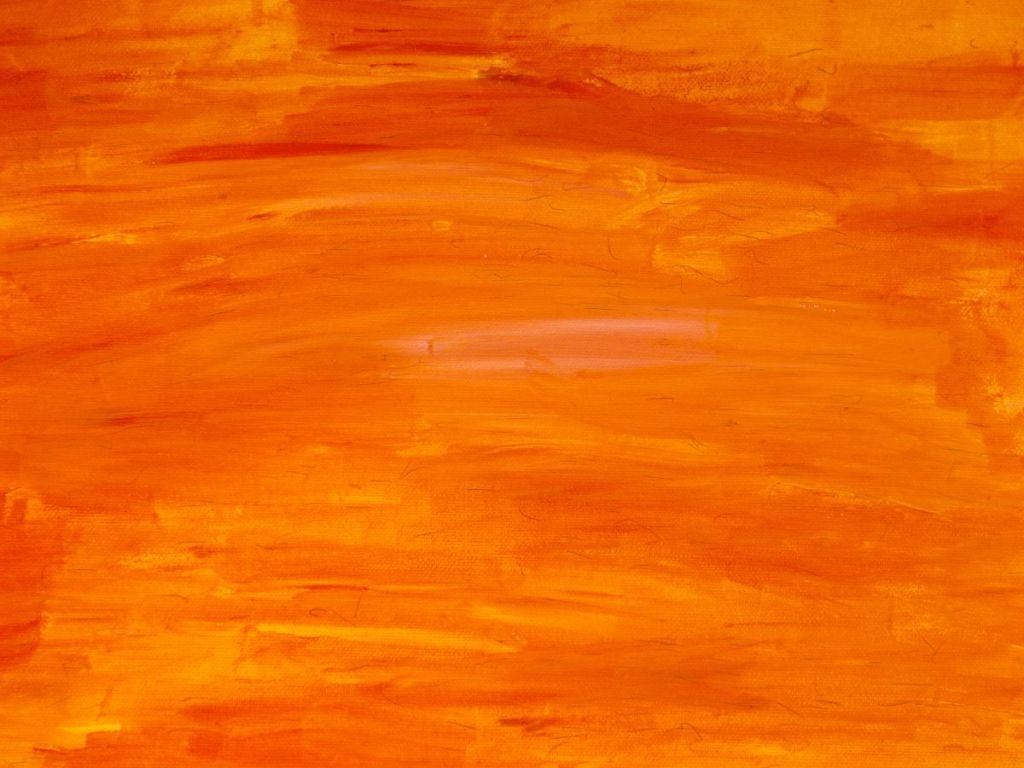
How to Create an Underpainting:
- Choose your base color. Earth tones like burnt umber or raw sienna are often used, but you can experiment with other hues depending on the mood or theme of your artwork.
- Sketch your composition. Lightly sketch your design onto the canvas.
- Apply thin layers. Dilute your paint with water or a medium to create a transparent wash. Focus on creating contrasts between light and dark areas.
- Build up gradually. Once the underpainting dries, you can add more layers of paint on top, allowing the base to subtly influence the final colors.
Underpainting is especially useful for realistic paintings, as it helps in creating lifelike shadows, highlights, and mid-tones. It’s like setting the stage for your masterpiece.
Combining Both Techniques
While dry brushing and underpainting are powerful on their own, combining them can produce stunning results. For example, an underpainting can establish the tonal foundation, while dry brushing can add texture and bring out intricate details. This combination creates a dynamic interplay between depth and surface, capturing the viewer’s attention.
Why Experiment with These Techniques?
Mastering dry brushing and underpainting opens up a world of creative possibilities. These methods encourage you to think about layers, textures, and contrasts, making your artwork more visually engaging. Plus, they’re versatile—suitable for everything from fine art to mixed media projects.
So, grab your brushes, experiment, and let these techniques guide you in creating art that truly resonates!
 Canvas For Painting - Custom Size
Leave a comment