Canvas art is an ever-evolving field where artists explore various techniques to bring their vision to life. Two popular methods, glazing and pouring, offer distinct yet equally captivating results. Whether you’re a traditional painter or an abstract artist, mastering these techniques can add depth, vibrancy, and dynamic movement to your work.
Glazing: Layering for Depth and Luminosity
Glazing is a technique where thin, transparent layers of paint are applied over dried layers to create depth, subtle color shifts, and enhanced luminosity. This method has been used for centuries by classical painters, including Leonardo da Vinci, Rembrandt van Rijn, and Johannes Vermeer. This technique remains an essential tool for modern artists.
How to Apply Glazing
- Choose the right paints. Acrylics, oils, and watercolors can all be used for glazing, but they must be diluted to maintain transparency.
- Use a medium. Mixing your paint with a glazing medium (such as acrylic gloss medium or linseed oil for oils) helps maintain fluidity and even application.
- Apply thin layers. Use a soft brush to apply thin washes of color, allowing each layer to dry completely before adding another.
- Build up the effect. Gradually adding multiple layers increases richness and depth in your artwork.
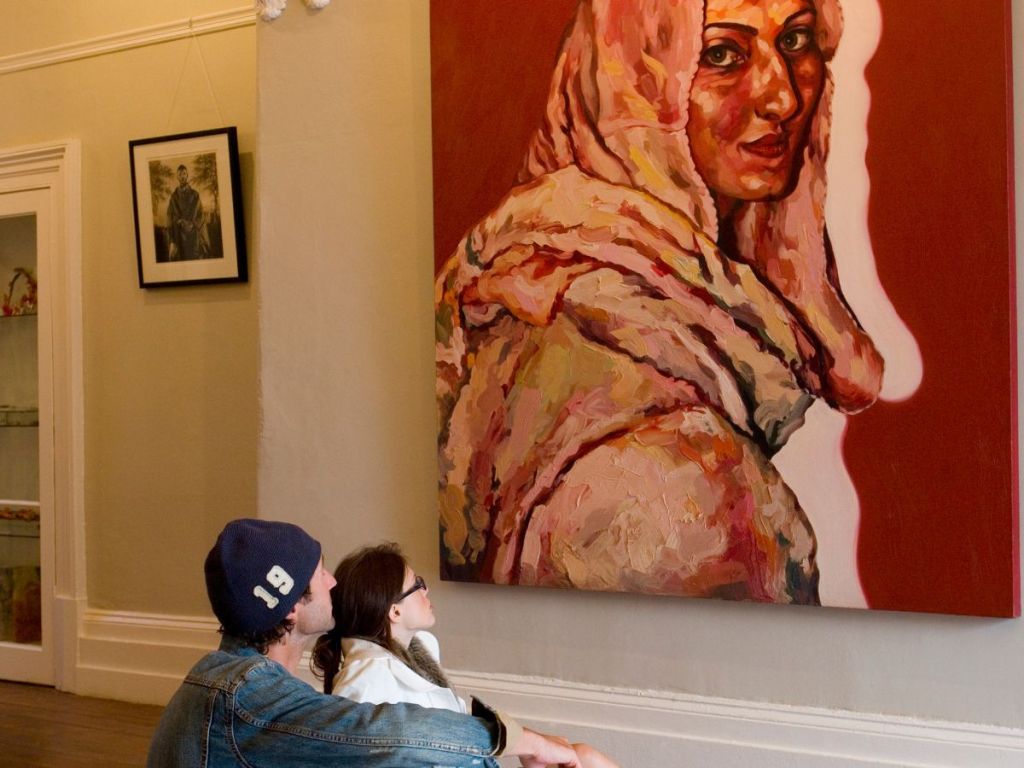
Benefits of Glazing
- Enhances luminosity by allowing light to pass through multiple layers.
- Creates smooth transitions and subtle color variations.
- Adds complexity and richness to paintings without muddying colors.
Glazing is widely used in portraiture, landscapes, and still life paintings where smooth tonal transitions and realistic depth are needed.
Pouring: The Art of Fluid Motion
Pouring is a contemporary technique where paint is poured onto a canvas to create abstract patterns, marbling effects, and organic color blends. This method is highly popular in acrylic painting and often used in modern abstract art.
How to Achieve Pouring Effects
1. Mix your paints. Combine acrylic paint with a pouring medium to achieve a fluid, runny consistency.
2. Use different pouring methods:
- Dirty Pour: All colors are mixed in a cup and poured together.
- Flip Cup: A filled cup is flipped onto the canvas for unpredictable effects.
- Swiping: A tool (such as a palette knife) is used to blend colors across the canvas.
3. Allow natural flow. Tilt the canvas to guide the paint, creating unique patterns.
4. Let it dry properly. Acrylic pours take time to dry, and patience is key to preventing cracks or distortions.

Benefits of Pouring
- Produces bold, fluid compositions without the need for precise brushwork.
- Encourages experimentation and spontaneity in art.
- Perfect for artists looking to create abstract and expressive pieces.
- Pouring is ideal for those who enjoy free-flowing, unpredictable designs with striking color interactions.
Choosing the Right Technique for Your Art
Both glazing and pouring can elevate your artwork in different ways. Glazing is best for artists who want controlled depth and luminosity, while pouring offers a more spontaneous, experimental approach. You can even combine both techniques to create layered effects where transparent glazes interact with fluid backgrounds.
By understanding and mastering these techniques, you can expand your artistic possibilities and create visually stunning canvas art. Happy painting!
 Canvas For Painting - Custom Size
Leave a comment