Canvas painting is approachable and rewarding, especially when you start with designs that build confidence without overwhelming. Whether you’re new to painting or working in mixed media, these simple ideas will inspire your next creative session.
1. Abstract Color Blocking
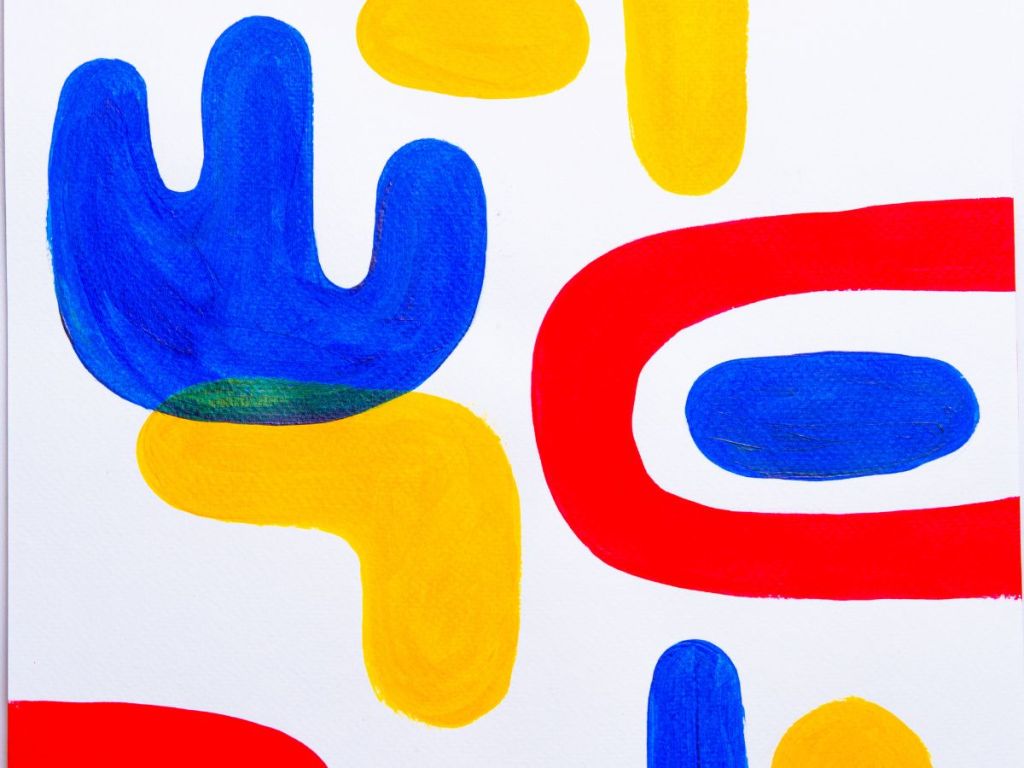
Paint bold, flat shapes in contrasting or complementary colors. Use painter’s tape for crisp edges and stick to a 3–4 color palette for simplicity. This builds your understanding of composition and color harmony.
2. Silhouettes on Gradient Backgrounds
Create a smooth color blend—like a sunset—and add a single silhouette (a tree, bird, or landscape). The dramatic contrast offers visual impact with minimal effort.
3. Palette Knife Texture

Use palette knives to apply paint for thick, textured effects. Landscapes or florals with visible strokes enhance depth and add tactile interest.
4. Fluid Acrylic Pouring

Mix paint with pouring medium, pour onto canvas, and tilt to create marbled, organic patterns. It’s unpredictable, but the results are always unique.
5. Minimalist Line Art
Paint a solid background, then overlay a single-line drawing—like a face or simple shape. Clean, modern, and excellent for fine brush control.
6. Galaxy Scenes
Blend blacks, purples, and blues with a sponge to mimic space, then use a toothbrush to flick white stars. The celestial effect is surprisingly simple and visually stunning.
7. Florals and Botanicals
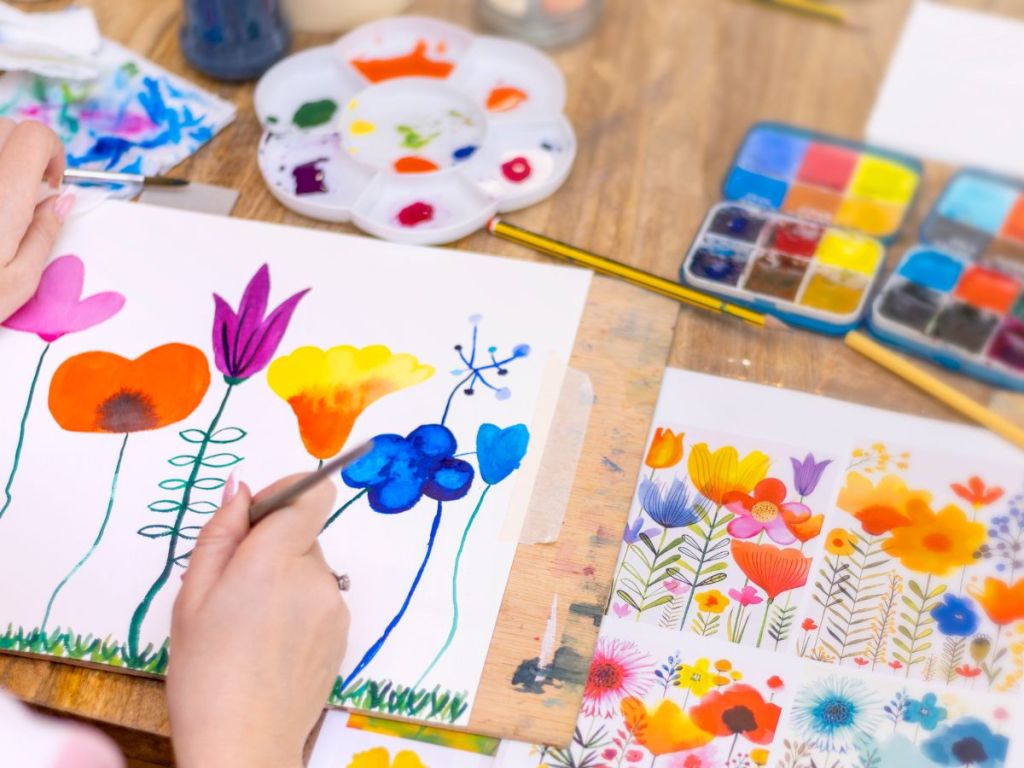
Paint basic shapes like petals or leaves. Start realistic or stylized, then add layers for depth. It improves brush handling and shading skills.
8. Gold Leaf Accents
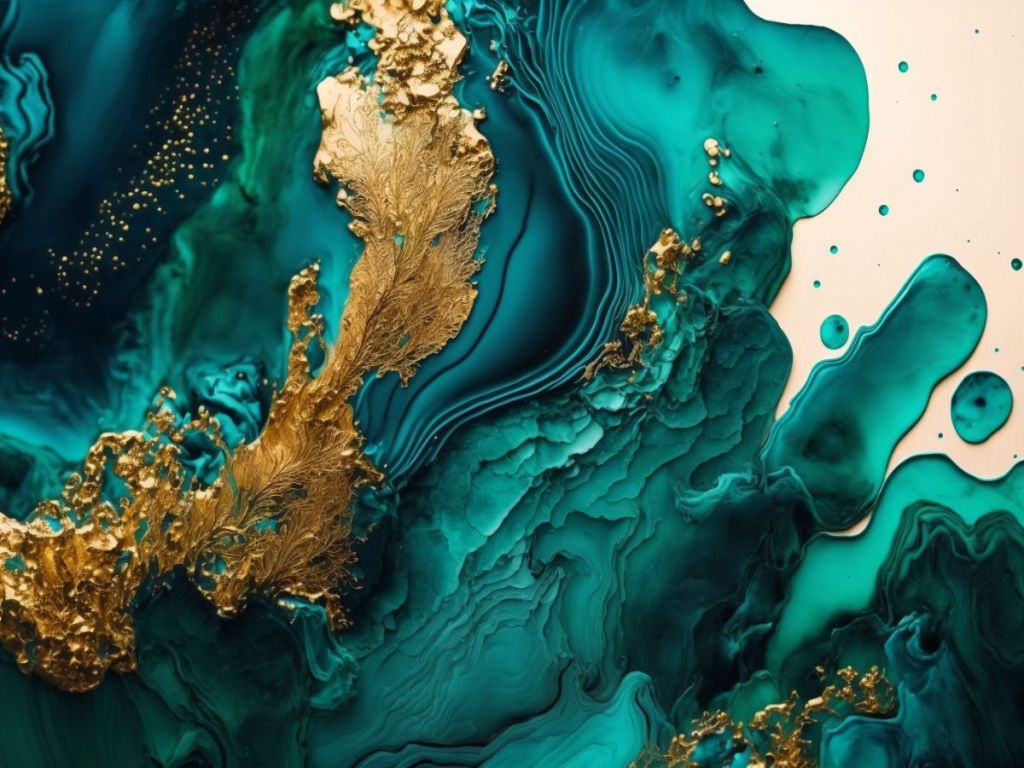
Paint a design, can be geometric or abstract, then highlight parts with gold leaf. The metallic contrast elevates a simple canvas effortlessly.
9. Monochrome Painting
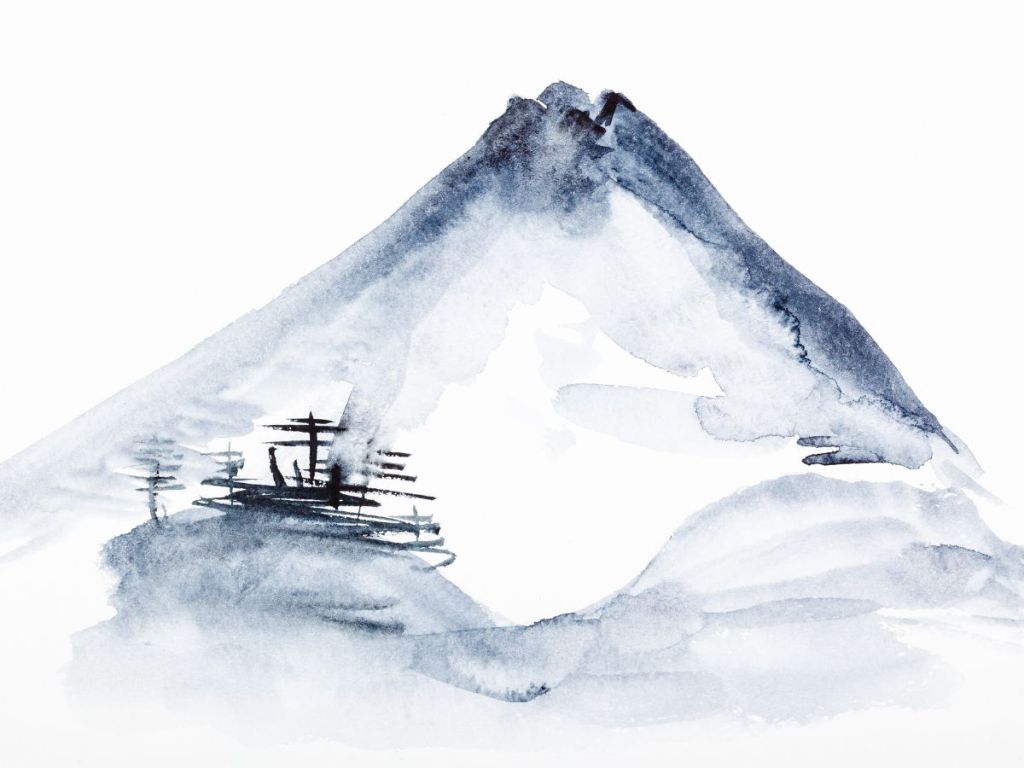
Choose a single hue and mix various tints and shades. Paint a portrait, landscape, or pattern—all in one color family. This exercise sharpens your sense of value and tone.
Why These Work for Beginners
- Manageable scope. They’re simple enough to complete in under an hour.
- Fundamental skills. You develop brush control, color mixing, layering, and composition.
- Creative flexibility. Each design can be tailored to your style and medium.
Quick Tips to Get Started
- Use acrylic paint because they’re beginner-friendly, forgiving, and fast-drying.
- Prep your canvas properly. Prime with gesso, let it dry, and apply a base wash if needed.
- Embrace the process. Small projects build habit and skill without pressure.
Whether you’re picking up a brush for the first time or stepping back into your art practice, these canvas designs offer a clear, engaging path forward. Start small, pick a style, and make your mark.
 Canvas For Painting - Custom Size
Leave a comment