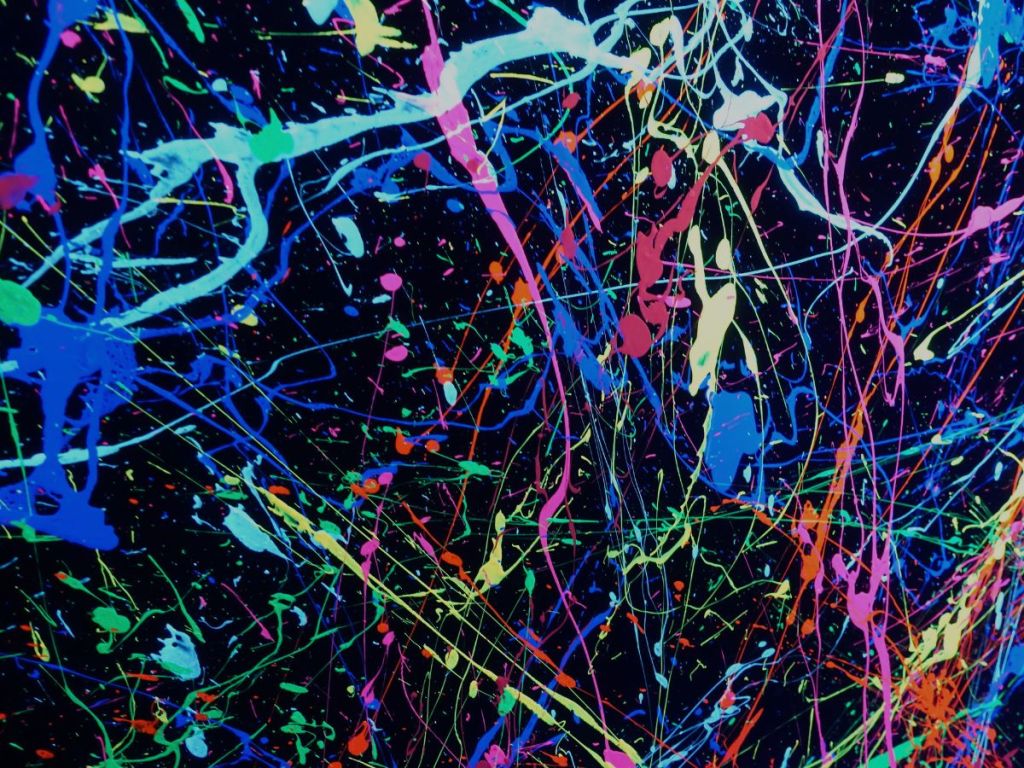
Splatter painting is one of those art techniques that’s both surprisingly simple and wildly expressive. It’s perfect for anyone looking to inject energy, randomness, or texture into a painting whether you’re an amateur, professional, lecturer, or hobbyist.
Why Splatter?
Splatter or action painting has roots in abstract expressionism. Artists like Jackson Pollock turned it into an art form, using sticks, hardened brushes, or syringes to fling paint in all directions, essentially becoming part of the artwork themselves. Janet Sobel, an earlier but less recognized pioneer, also helped shape the tradition of drip and splatter techniques.
In simple terms: splattering invites chance into your work. It brings energy, spontaneity, and unexpected beauty which is perfect for shaking up a compositional routine.
Tools That Work (and Why):
- Paintbrush flicks: Load a brush, then tap its handle with another brush over your canvas. It throws paint nicely and keeps your hands clean.
- Toothbrush: Dip the bristles in fluid paint, pull back the bristles, then release them. It creates a fine, starry mist. Be sure the paint is thin enough for this to work well.
- Straw blowing: Drop fluid paint on the canvas and blow through a straw to move the paint in a controlled, windy direction.
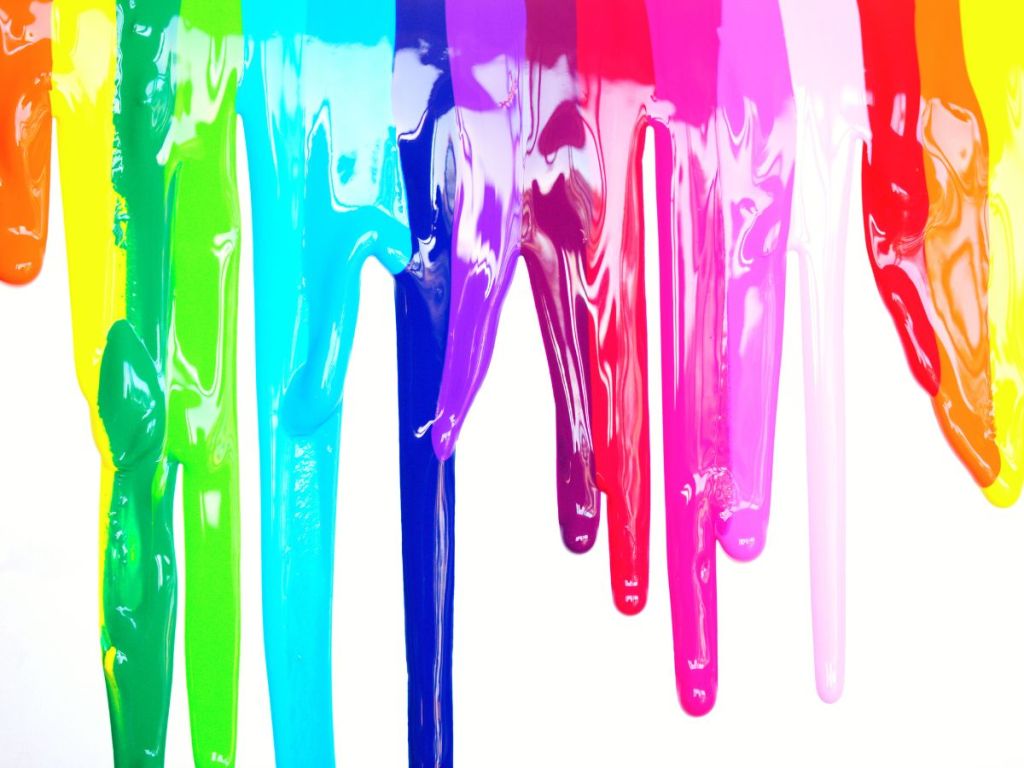
- Drips: Let paint run down a vertical canvas. For more control, use diluted paint and adjust how much you tilt the canvas.
Getting the Paint Right
Consistency matters. For transparent, lively splatters, thin your acrylic paint with fluid medium–not just water–so it spreads without losing adhesion or color intensity. Theatre artists suggest thinning paint to roughly the thickness of skim milk for effective “spatter” effects.
Variation Makes it Rich
Use different brush sizes to get diverse splatter sizes and rhythms. As the piece approaches completion, switch to smaller tools for delicate textures. Let each layer dry before adding another, unless you want colors to merge in a muddy way.
Classroom Insight (or Workshop Pro Tip)
If you’re an art teacher and teaching this to students, demonstrate a “drag-thumbnail-on-bristles” trick using an old toothbrush for a fine mist. This keeps teaching playful and hands-on.
A practical tip from art educators: always stash your project in a box or under drop cloths to contain chaos and your studio walls from accidental splatters.
Splatter isn’t about precision, it’s about controlled chaos. It’s a chance to embrace unpredictability and get physical with paint. Whether you’re teaching, experimenting, or just painting for fun, splatter brings visual life to canvas.
So, gather your brushes, dilute your paint thoughtfully, lay out that tarp, and let the paint fly. It’s messy, it’s freeing, and it’s yours.
 Canvas For Painting - Custom Size
Leave a comment