As painters, mixed media artists, or art lecturers, one of the more common fears we carry is that someone else will do it “better.” That our work won’t be seen, or worse, that it will be compared and found wanting. That fear can stop us from taking bold steps, sharing our work, or trying new things. The good news is: you can move past it, and even use it as a tool.
Here are some strategies that have helped artists:
1. Recognize Imposter Syndrome at Play
Often, the fear of being overshadowed by others is tied up with imposter syndrome–feeling like you don’t belong, or that you’re not “good enough” even though others believe in you. Sources like SketchDesignRepeat talk about how common this is among creatives: comparing your work to polished images online, attributing your successes to luck, etc.
Once you recognize that inner critic, you can start to separate facts from fears. Your skills, your style, your journey are all valid even if they don’t look like someone else’s.
2. Shift Your Focus: Growth over Comparison
Comparisons are unavoidable, but making them your benchmark can lead to discouragement. Instead:
- Measure yourself against your own past work. Are you advancing? Trying something new? Is your brushwork more confident?
- Set personal goals that matter to you (technique, emotional weight, consistency), not what others are doing.
- Celebrate small wins like finishing a piece, getting feedback, improving something you struggled with before.
3. Develop a Consistent Practice
Fear of being overshadowed often hits hardest when you’re sporadic. If you paint only occasionally or when you feel “inspired,” the bar you set for yourself feels higher and more distant. But consistency tames fear.
- Sketch daily or a few times a week.
- Work on small studies, not just “big statements.”
- Try experimenting without pressure such as new media, unusual subjects, or styles you wouldn’t normally use. That kind of exploration reminds you of your uniqueness.
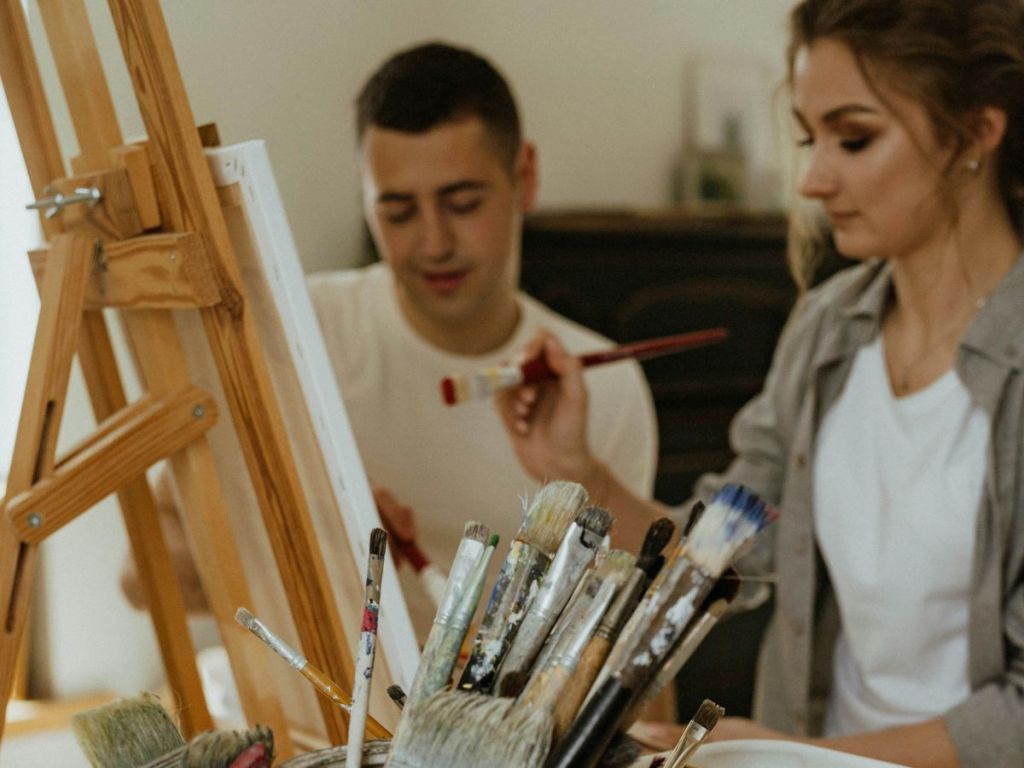
4. Build a Supportive Community
It helps immeasurably to be part of a community–people who understand what you fear, who provide feedback without judgment, and who can cheer you on.
- Join local art groups or online forums.
- Participate in critique groups or peer show-and-tells.
- Share your doubts; you’ll likely find many others feel similar. There’s power in realizing you’re not alone.
5. Embrace Visibility and Be Open to Vulnerability
Putting your work out there teaches you about your strengths. Others might see value where you see flaws. Recent advice by artists suggests that risk (sharing, posting, exhibiting) helps reduce the weight of comparison over time.
6. Keep Learning and Evolving
Sometimes, fear of competition comes from feeling you’re lacking in skills. Learning isn’t a sign you’re behind, it’s a signal you care. Sketchbooks, workshops, tutorials, art books–anything that helps you grow.
But balance this: don’t let learning become “doing forever.” Action (making and sharing) is what builds confidence.
Feeling overshadowed is part of being an artist. That sense that others are “out there doing better” but it doesn’t need to stop you. What changes things is small consistent steps:
- noticing the fear,
- practicing anyway,
- comparing less,
- focusing more on your own voice.
Eventually, those fears shrink. Your work becomes more authentic. And instead of being sidetracked by competition, you start seeing it as part of the landscape you belong in.
 Canvas For Painting - Custom Size
Leave a comment