“What paint do most artists use?” the short answer is: it depends on style, environment, speed, surface, and goals. But, a few paints clearly dominate. Here are the common choices, why they’re popular, and what factors tip the balance.
The Big Three: Acrylic, Oil, and Watercolor
Across the art world, three types of paint tend to be most common: acrylics, oils, and watercolors. Each has strengths and each artist leans toward one (or more) based on their priorities.
Acrylic
Acrylic is widely used today especially among contemporary, mixed media, and urban artists. Why? Fast drying, water cleanup, no toxic solvents, and flexibility. You can apply it thick (impasto), thin (wash), mix with gels, or treat it like watercolor. Some sources argue acrylics are the go-to medium for many starting now precisely because of their convenience and adaptability.

Oil
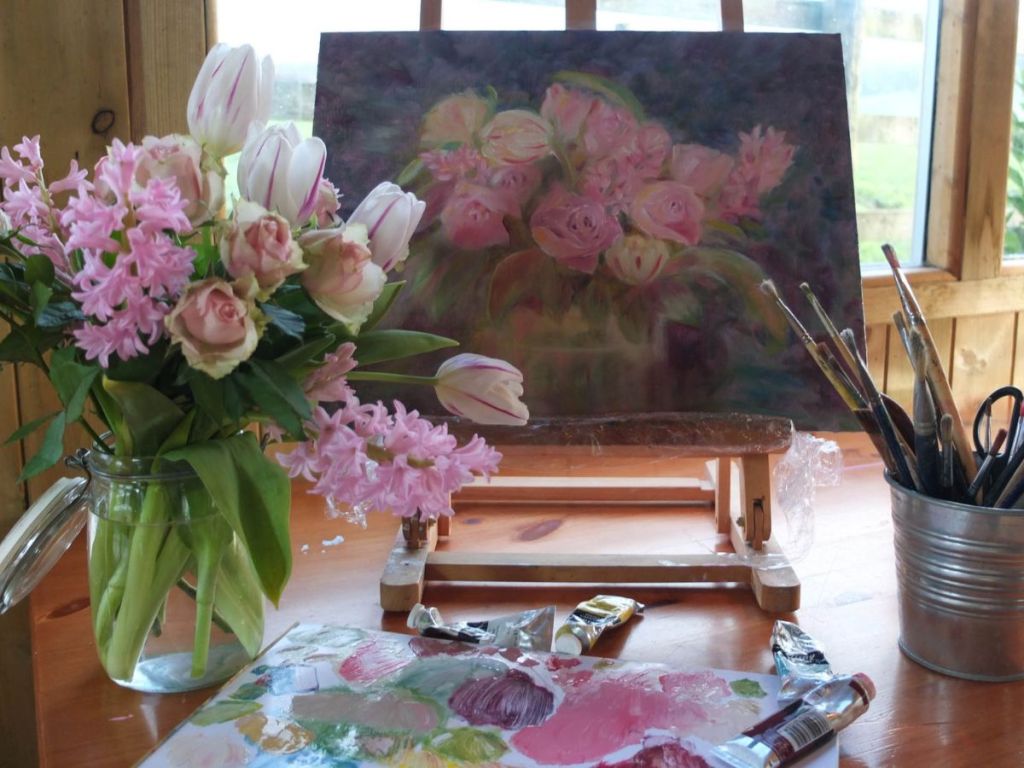
Oil paint remains the traditional favorite, especially for fine art, realism, portraiture, and high-end gallery work. Its slow drying time allows blending, soft transitions, glazes, and reworking. Artists who want depth, luminosity, and richness often choose oil despite it being slower, involving solvents, and needing careful setup.
Watercolor
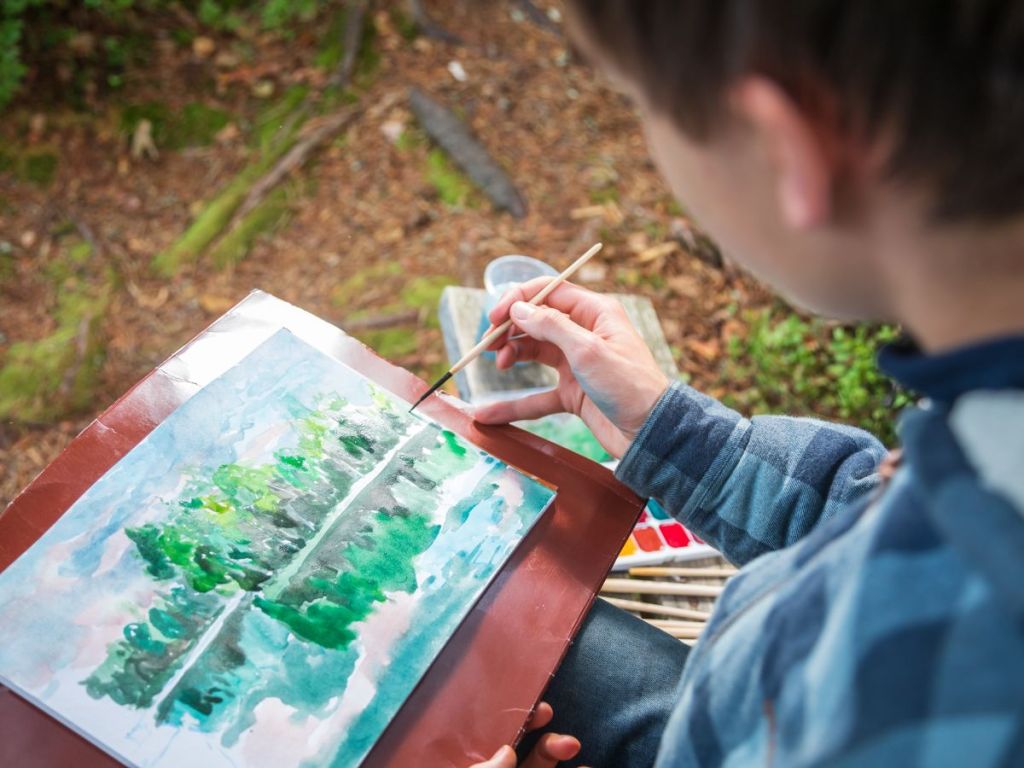
Watercolor is still beloved for its transparency, delicate effects, portability, and immediacy. It’s less common for large gallery paintings, but many artists use watercolor for studies, sketches, smaller works, and explorations. Its limitations (paper support, fragility) mean it’s more niche in fine art.
Trends, Perception and What “Most” Means
“Most artists use (this paint)” can be misleading depending on context. In academic settings, oil might dominate. In urban or mixed media circles, acrylic is king. Among plein air painters, watercolor and acrylic may lead. With contemporary artists and local student groups, acrylic seems the default, especially for its low barrier to entry and fewer safety or ventilation concerns.
Some art forums even note that oil paintings outsell acrylics at a ratio of around 2:1 in certain markets hinting at collector preference rather than sheer usage. But that may reflect galleries and buyers valuing oil’s prestige more than mass usage.
Also worth noting: there are other paints artists use less often but interestingly, like gouache (opaque watercolor style), casein, or specialty resin paints.

What Drives Artists’ Choice?
From experience, these are the main factors:
1. Workflow / speed. If you need layers fast, acrylic has an edge. Oil requires patience.
2. Working environment. Ventilation, space, fumes, cleanup ease all push many toward acrylics.
3. Durability / archival quality. Oils have centuries of proven endurance; high-quality acrylics are newer but improving.
4. Aesthetic goals. Smooth blends and glowing glazes point toward oil. Textured, experimental layers often use acrylic.
5. Cost and availability. Paint quality, pigment load, and range of colors vary, and accessible art supply markets may influence what local artists lean on.
6. Mixed media compatibility. Acrylic plays nicely with many media (inks, collage, gels), making it a favorite in mixed media work.
In many contemporary circles, acrylic tends to be the default or most-used medium especially among newer or mixed media artists because of its flexibility, safety, and speed. But oil remains deeply respected, especially for works intended to last and be shown in galleries. Watercolor still holds its place for studies and sensitive, atmospheric works.
Ultimately, the “right” paint is the one that serves your vision, workflow, and materials best. Understand the strengths and trade-offs of each, experiment, and pick what feels right for your work and switch if your goals shift.
 Canvas For Painting - Custom Size
Leave a comment