Stepping from paper or imagination to canvas can feel both thrilling and a little intimidating. But the process doesn’t have to be mysterious. Here’s a go-to path you can use for starting on canvas. Use this as a guide and adjust it to your style, medium, and rhythm.
1. Choose your canvas and supplies wisely
You don’t need the fanciest canvas to begin. Just something stable, well-stretched, or rigid enough that it doesn’t sag when you push paint on it. A pre-primed cotton canvas (medium weight) is a solid everyday choice. Panels (canvas mounted on board) are also great for smaller works or tight studios.
Pair your canvas with good brushes (synthetic or hog bristle depending on medium), a palette, palette knife, towels/rags, a container for water or solvent, and your paints. Start with a limited palette (3-5 colors) so you focus on mixing, values, and control rather than managing a dozen tubes. Many beginner guides suggest that you don’t need pro level canvas at the start; just something functional.
2. Prepare or check the surface
Even “pre-primed” canvases benefit from a quick check. Lightly dust off any debris. If the primer feels too absorbent or uneven, you can apply a thin coat of gesso to even the surface. Gesso is essentially the “primer” that seals and tones the canvas to take paint more reliably.
Some artists also choose to tone the canvas—a thin wash of neutral (gray, burnt sienna) to mute the blank brightness, helping you judge mid-tones more easily.
3. Sketch, block in, and plan values
Start lightly. You can sketch your design in pencil, charcoal, or thinned paint. Make it loose. Then block in large shapes and basic value structure (lights, darks, mids) without worrying about detail. Think of this as building a scaffold you’ll refine later. Many painting guides use this step to ground the image before you go detailed.
It’s helpful to work in layers-not immediately trying to perfect everything in one pass. Start general, then refine.
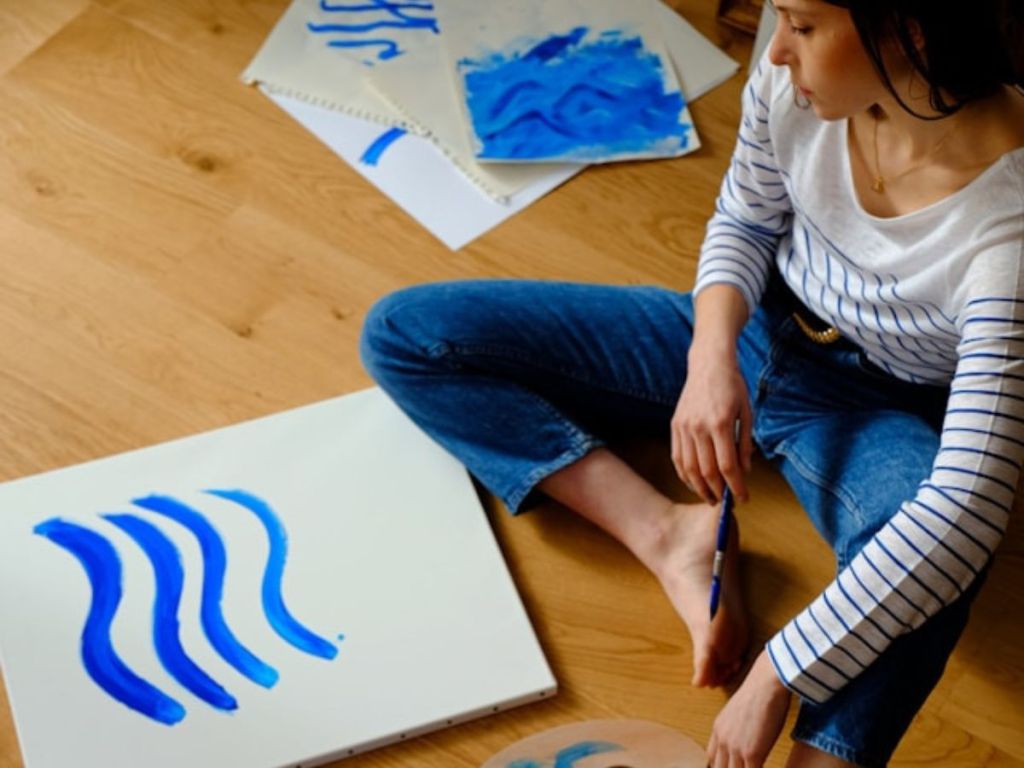
4. Paint progressively: layers and adjustments
Once your structure is set, begin layering color, adjusting edges, refining shapes. Use thinner paint first (washes, mid-opacity layers), then build thicker where needed for highlights or emphasis.
In acrylic, especially, layering thoughtfully matters because paint dries fast and you can’t always rewet older layers.
Use tools like palette knives, wide brushes, or even scrapers to add texture or variation. Don’t commit detail too early. Give yourself space to shift, correct, or rework areas.
Take distance breaks. Step back to see how the whole reads, not just your “working spot”
5. Finishing touches, cleanup and reflection
When most elements look stable, add your final accents: fine highlights, edge sharpening, small glazes if needed. Let the painting rest; view it under different lighting to spot balance or color issues.
Clean brushes and tools right away (use appropriate cleaners or water). Store your painting in a safe, flat or vertical space depending on support.
Finally, reflect on what worked, what surprised you, what you’d do differently next time. Some artists start writing notes or keeping a sketch journal alongside each canvas.
 Canvas For Painting - Custom Size
Leave a comment