When you walk into a gallery and see an artwork composed of three panels side by side (or hinged), you’re looking at a triptych. Understanding this format opens up fresh creative possibilities, whether you’re just starting out or deep in your professional practice.
What exactly is a triptych?
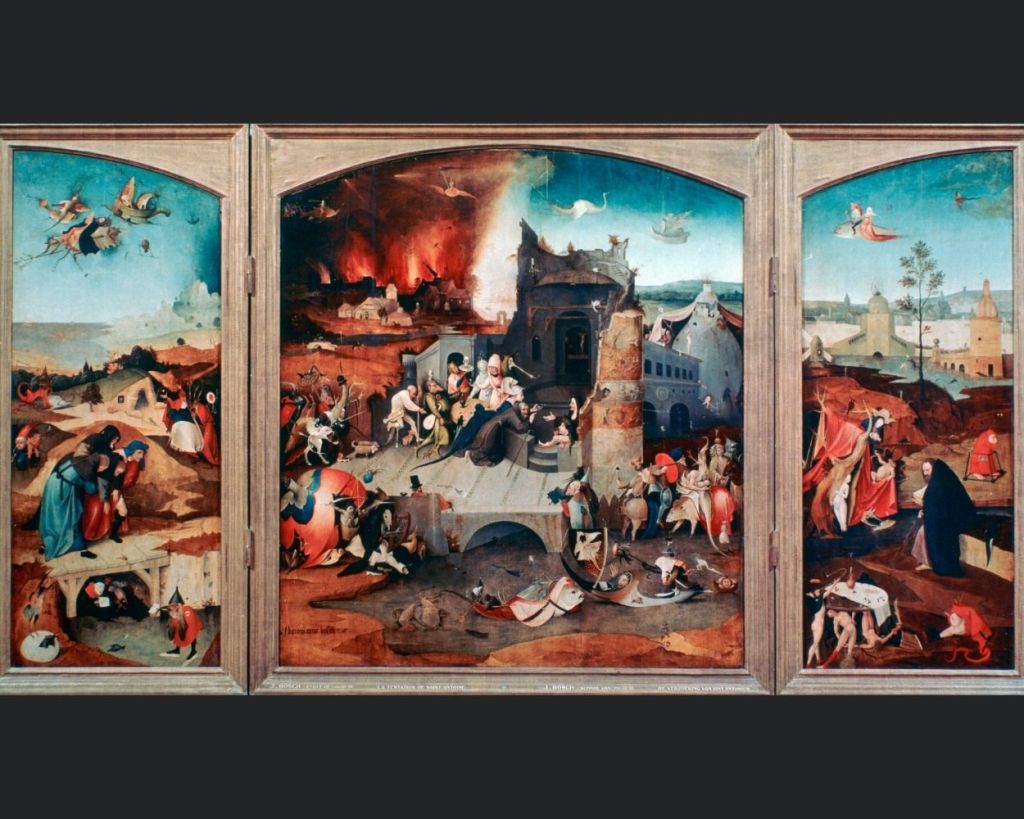
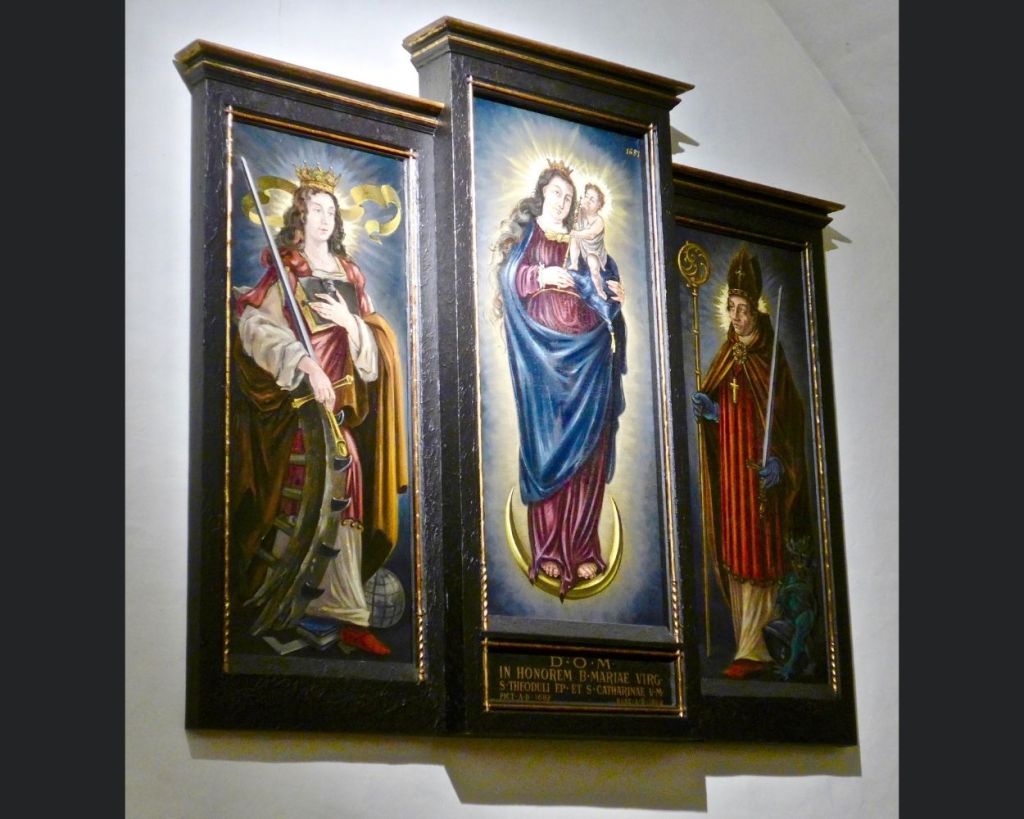
A triptych (from the Greek triptychos, meaning “three‐fold”) is an artwork made of three related parts or panels. Historically, the term refers to altarpieces where a central panel is flanked by two smaller wings, often hinged so they can fold in. The panels may be equal in size or vary, depending on the artist’s intention.
Why use a triptych?
The format offers several benefits:
- Storytelling through sequence: Because there are three parts, you can lead the viewer through time, mood or thematic shifts (left → center → right). This was widely used in religious art to show narrative.
- Visual rhythm and scale: Three panels arranged side by side create a wide-format impact. It can feel panoramic or give your work a presence that a single panel might lack. For example, a modern photographic triptych splits one image into three parts to achieve a larger footprint.
- Flexibility and modularity: You can treat each panel as part of a large whole or as distinct but related parts. Studios and hobbyists appreciate this. You might work on each panel separately, yet ensure they hang together.
- Conceptual depth: The number three carries strong visual and symbolic weight (think beginning-middle-end, past-present-future, or three modes of a subject).
How to approach making a triptych
Here are some practical tips from my studio experience:
- Plan the relationship between the panels. Decide whether your three panels will present a single continuous scene, three variations on a theme, or distinct parts that complement each other.
- Check sizing and spacing. If panels are separated by a gap, plan the wall hang and ensure sizes are harmonious. If they touch, ensure the division doesn’t break visual flow or if it does, do so intentionally.
- Coordinate palette and composition. Even if each panel stands on its own, you want cohesion–color temperature, line direction or motif crossing panels will help unify the work.
- Finish the edges/backs appropriately. If the panels will be displayed side by side, consider how the sides look (e.g., a deep‐edge frame, or panel wrap).
- Consider logistics. Transporting, hanging and lighting three panels is more complex than one. Make sure your wall width can accommodate the overall width, and that your display context gives each panel room.
Whom this format is for
- Amateur painters / hobbyists: A triptych invites experimentation (for example, different moods in each panel) and gives more impact for a similar cost to a large single panel.
- Professional painters: The format adds visual interest, scale and gallery appeal. Using three panels can help you present work for larger spaces.
- Art lecturers: The triptych format is a strong teaching tool—students can examine composition across multiple supports, narrative sequencing or modular formats.
Don’t dismiss the triptych as merely a historical relic. Whether you’re working in oil, acrylic, mixed media or collage, the three‐panel format remains a powerful choice. It invites you to think in parts and in whole, to build rhythm, scale and narrative. If you’re ready to push beyond a single canvas, sketch your idea in three parts, imagine how each relates, and hang them together so the viewer journeys across your panels. Your next piece might just span three.
 Canvas For Painting - Custom Size
Leave a comment