Have you ever noticed painters start with a red canvas and wondered if it’’’s just a stylistic quirk or something more? Let’s demystify this practice and explain why so many artists sometimes prime their canvas in red before anything else.
What’s Going On When You Paint Red First?
When artists paint a canvas red before starting the main work, they’re usually doing an underpainting or toning the ground. This step isn’t about the final image yet. It’s about setting up a base that influences everything that comes after.
Here’s what’s happening:
1. Reduces the starkness of white
A fresh white canvas can be intimidating. Painting a thin red layer from a deep cadmium red to a warm burnt sienna, removes that “blank stare” and gives your eyes a more forgiving starting point. This makes judging values (lights and darks) and saturation easier right from the start.
2. Creates warmth and depth
Red is a warm, vibrant color. When you build layers of paint over a red ground, the warm undertone can subtly “shine” through, enriching your colors and giving the whole painting a cohesive warmth.
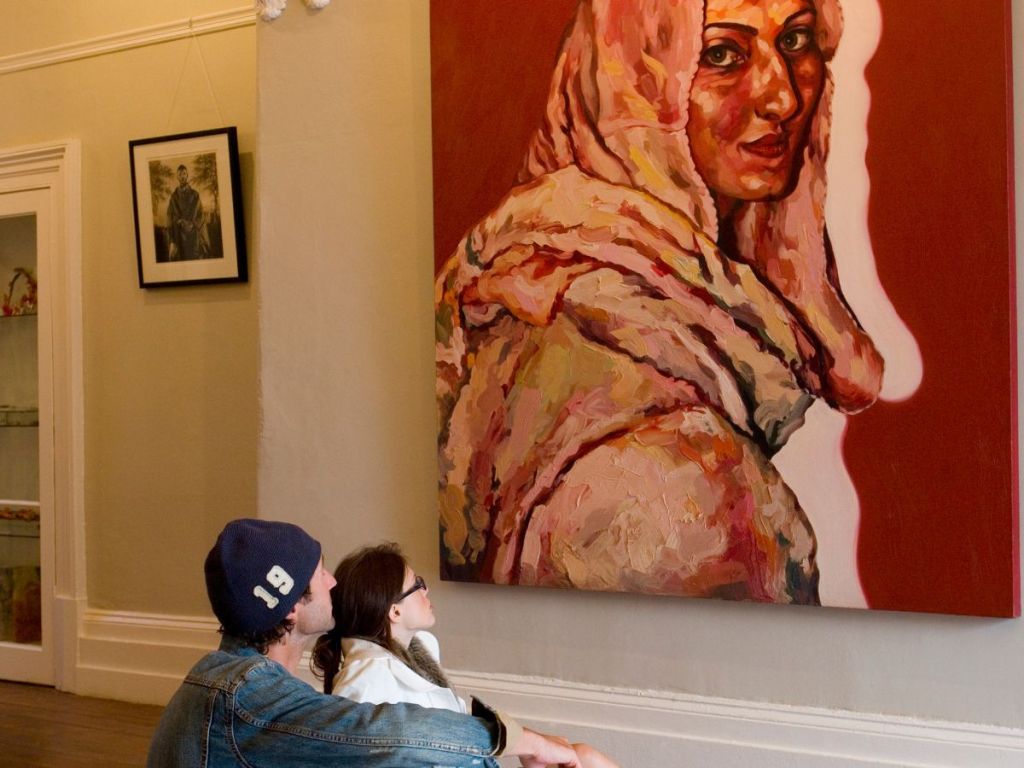
3. Helps with color interaction
Color theory plays a part too. Red interacts with other hues in interesting ways. For example, it contrasts strongly with green, which can make foliage or shadows feel more dynamic once you start painting. Artists sometimes pick their underpainting color based on the final palette they plan to use.
4. Makes values and composition clearer
Underpainting helps establish where your darks, midtones, and lights will go before you get lost in color mixing. For many painters, doing this in one value tone simplifies early planning. It’s like seeing the skeleton of your painting before you dress it up.
Isn’t This an Old-School Thing?
Yes and no. The idea of using a colored ground has roots in traditional painting methods going back centuries. Artists in Madrid during the 16th and 17th century, for example, sometimes primed canvases with red ochre mixed with linseed oil as part of their preparation. But the concept isn’t just historical. Contemporary painters still use red or earth tone underpaintings today because they work.
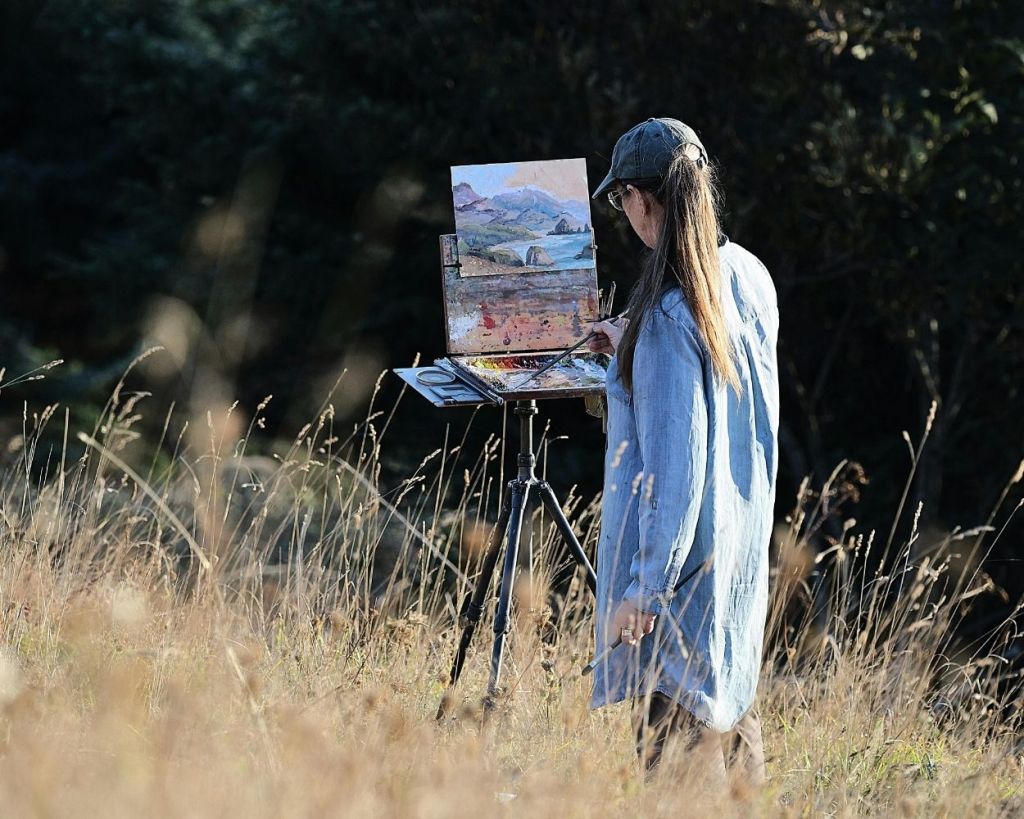
When to Use Red Underpainting
It’s not compulsory for every style or medium, but red underpainting shines in:
- Oil painting, where translucent layers can let the red tint glow through.
- Portraits and warm subjects, where underlayers warm up skin tones naturally.
- Any work where you want a unified warmth or atmospheric harmony.
In acrylics, the effect is a bit less about glow and more about giving yourself a starting tone that feels alive. Many artists report that it helps them gauge proportion and color choices better from the outset.
Quick Tips
- Use red washes (thin layers) so your later colors aren’t dwarfed by a bold base.
- Experiment with different reds. Cadmium red will feel different from burnt sienna or venetian red.
- Let the first layer dry before laying in major shapes.
Ultimately, painting a canvas red first is a tool. It’s a choice artists make to serve their vision, not a rule you must follow. Try it out, see how it feels with your style, and decide whether it adds warmth, depth, and confidence to your process.
 Canvas For Painting - Custom Size
Leave a comment