If you’ve ever wished acrylic paint had the flat, matte look of gouache without the reactivation issues, acrylic gouache might be exactly what you’re looking for. It’s a hybrid medium that sits comfortably between traditional gouache and acrylic, and it’s become a staple for illustrators, designers, and painters who want clean color with modern reliability.
At its core, acrylic gouache is pigment suspended in an acrylic binder, just like acrylic paint. The key difference is the finish. Instead of drying glossy or semi-gloss, acrylic gouache dries to a smooth, matte, velvety surface. Think solid blocks of color with no shine and minimal visible brush texture unless you want it.
How It Differs From Traditional Gouache
Traditional gouache is water-based and reactivates when wet. That’s part of its charm and also its biggest limitation. You can lift, rework, and blend layers, but you can also accidentally disturb areas you meant to keep intact.
Acrylic gouache does not reactivate once it’s dry. When the paint sets, it stays put. This makes layering far more predictable. You can paint light over dark, add crisp details, or mask areas without worrying about muddying the surface. For artists used to acrylics, this behavior feels familiar. For gouache users, it’ s a big shift.
How It Handles on the Brush
Acrylic gouache is usually thinner than heavy-body acrylic but thicker than watercolor. Straight from the tube, it flows smoothly and spreads evenly. You can dilute it with water for washes, but there’s a limit. Add too much water and the acrylic binder weakens, which can cause uneven color or a chalky look.
It dries fast, similar to acrylic, which is both a benefit and a challenge. Fast drying allows for quick layering and production work. It also means you need to work decisively or use a stay-wet palette if you’re mixing large areas of color.
Color, Finish, and Visual Impact
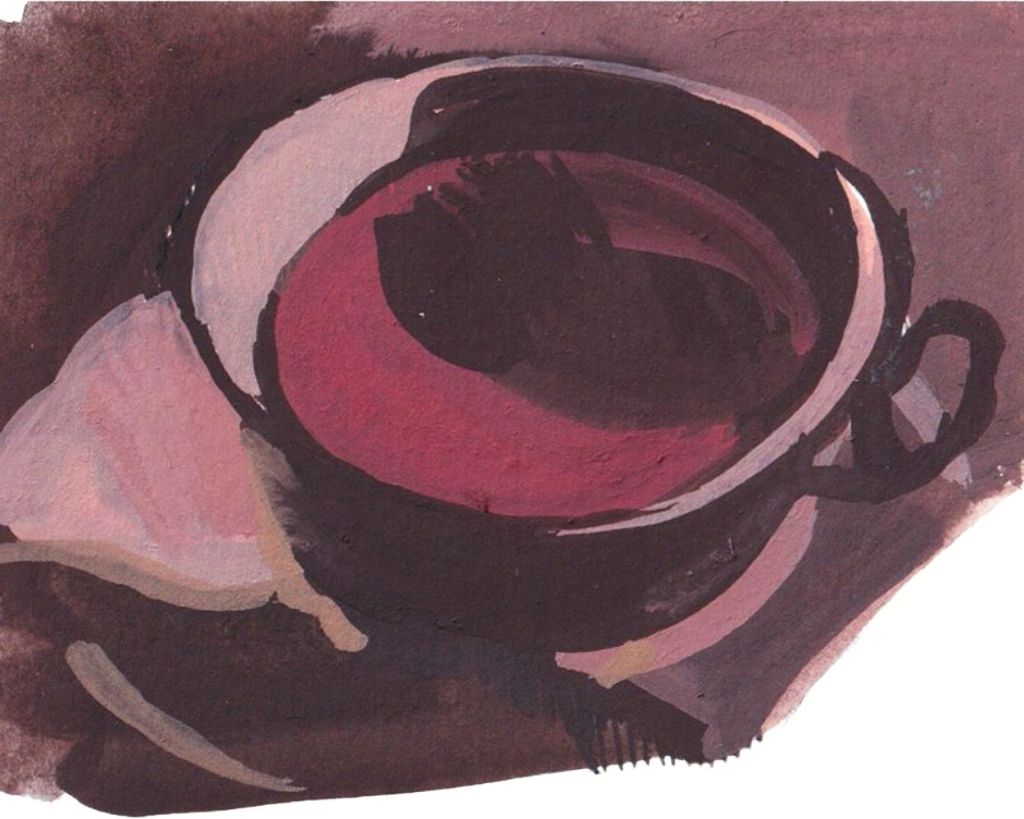
One of the biggest reasons artists choose acrylic gouache is color clarity. Because it dries matte, there’s very little glare. Colors photograph beautifully and reproduce well in print, which is why many illustrators and surface designers rely on it.
The matte finish also creates a contemporary look that feels graphic and intentional. Flat planes of color, sharp edges, and clean transitions are where this medium really shines.
Surfaces and Use Cases
Acrylic gouache is flexible when it comes to surfaces. It works well on paper, illustration board, wood panels, and primed canvas. Because it’s acrylic-based, finished work is water-resistant once dry, making it more durable than traditional gouache.
It’s especially well-suited for illustration, mixed media, underpainting, murals, and design-focused fine art. Some painters even use it as a base layer before moving into oils or regular acrylics.
Is Acrylic Gouache for You?
If you love the look of gouache but want permanence, control, and durability, acrylic gouache is worth exploring. It rewards confident mark-making and thoughtful layering. It’s not as forgiving as traditional gouache, but it offers clarity and consistency that many artists find liberating.
Like any medium, it’s best learned by use. Try a small set, test it on different surfaces, and see how it fits into your workflow.
 Canvas For Painting - Custom Size
Leave a comment