Color mixing looks simple until it isn’t. You squeeze out a few colors, start blending, and suddenly everything turns dull, muddy, or just wrong. This happens to beginners and experienced painters alike. The good news is that solid color mixing isn’t about talent. It’s about a few habits that make a huge difference.
Here are the basics that you can use.
Start With Fewer Colors
One of the most common mistakes is using too many paints at once. A crowded palette leads to overmixing and confused color relationships. Most painters can do excellent work with a limited palette of three to five colors plus white.
Working with fewer colors forces you to understand how pigments behave and relate to each other. It also creates natural harmony across the painting, because all colors come from the same small family.
Learn Your Pigments, Not Just the Color Names
Not all reds, blues, or yellows behave the same. Some lean warm, others cool. Some are transparent, others opaque. These differences matter more than the label on the tube.
For example, mixing a warm yellow with a warm blue gives a cleaner green than mixing a cool yellow with a warm blue. When mixes look muddy, it’s often because you’re combining pigments that naturally cancel each other out.
A simple habit helps: test each new color on scrap paper. Mix it with white. Mix it with its neighbors. Take notes. This builds confidence fast.

Mix Darker Than You Think You Need
Most paints dry slightly darker, especially acrylics. Beginners often mix colors too light, then keep adjusting on the canvas. Mix a touch darker than your target and adjust once it’s on the surface.
Also remember that color looks lighter when surrounded by dark values and darker when surrounded by light ones. Always judge color in context, not in isolation on the palette.
Control Temperature Before You Control Saturation
When a color feels off, ask whether it’s too warm or too cool before changing how bright it is. Many painters instinctively add white or black, which can flatten the color.
Instead, adjust temperature first. Warm it up with a touch of red or yellow. Cool it down with blue. This keeps the color alive while moving it where it needs to go.
Avoid Black for Darkening (At First)
Black is powerful and easy to misuse. It can kill color quickly. When learning, try darkening colors by mixing their complements instead. Red darkens green. Blue darkens orange. Yellow darkens purple.
These mixes create richer, more natural shadows and help you understand color relationships. Once you’re comfortable, black becomes a tool instead of a shortcut.
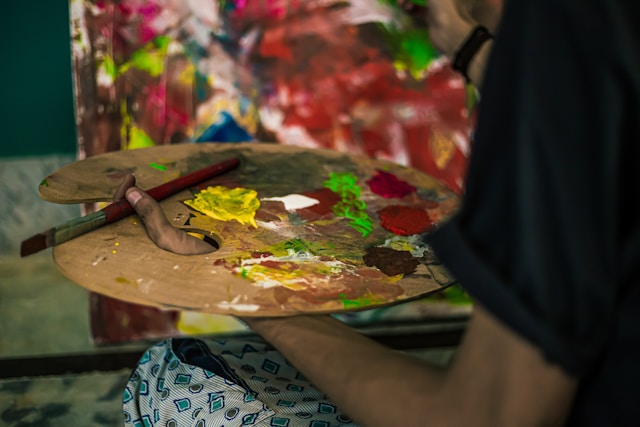
Mix Enough Paint
Nothing disrupts a painting faster than running out of a key color. When you find a mix that works, make more than you think you’ll need. Consistency matters, especially in large areas or slow-drying mediums like oil.
If you’re worried about waste, remember that time and frustration cost more than extra paint.
Keep Your Palette Clean
A dirty palette leads to muddy mixes. Wipe areas before creating new colors. Use separate zones for warm and cool mixes if possible. This one habit alone can dramatically improve color clarity.
Color mixing is learned through repetition, not theory alone. Every painter struggles with it at some point. Mix slowly. Observe carefully. Trust your eye. The more you mix with intention, the more natural it becomes.
 Canvas For Painting - Custom Size
Leave a comment