Maya Angelou said, “You can’t really know where you’re going until you know where you’ve been.” In the art world, you can’t push painting forward if you don’t understand where it’s been. Styles aren’t just labels in a textbook. They’re responses to culture, politics, technology, and personal vision.
Here are five major painting styles that continue to shape how we think about art today.
1. Realism
Realism emerged in the mid-19th century as a reaction against romanticized and idealized subjects. Instead of mythological scenes and heroic figures, Realist painters focused on ordinary life. Workers, landscapes, daily routines.
The goal was simple: represent the world as it is.
Realism still matters because observational skill remains foundational. Even highly conceptual contemporary artists often train in realist methods first. Understanding proportion, light, and form gives you control, even if you later distort or abstract it.

2. Impressionism
Impressionism shifted the focus from detail to perception. Painters became interested in capturing fleeting light and atmosphere rather than polished realism. Brushstrokes became visible. Colors became brighter. Shadows were no longer just brown or black, but filled with blues and purples.
What makes Impressionism so influential is its emphasis on seeing. It changed how artists approached color and outdoor painting. Modern plein air practices and much of today’s color theory teaching still trace back to this shift.
For many hobbyists and professionals alike, Impressionism is often the gateway into understanding how light actually works in paint.

3. Expressionism
Expressionism turned inward. Instead of painting what the world looks like, artists focused on what it feels like. Color became emotional rather than descriptive. Forms were exaggerated or distorted to intensify mood.
This style reminds painters that accuracy isn’t the only goal. Emotion, tension, and psychological presence can matter more than proportion.
You see its influence today in everything from figurative contemporary painting to street art and large-scale narrative works.

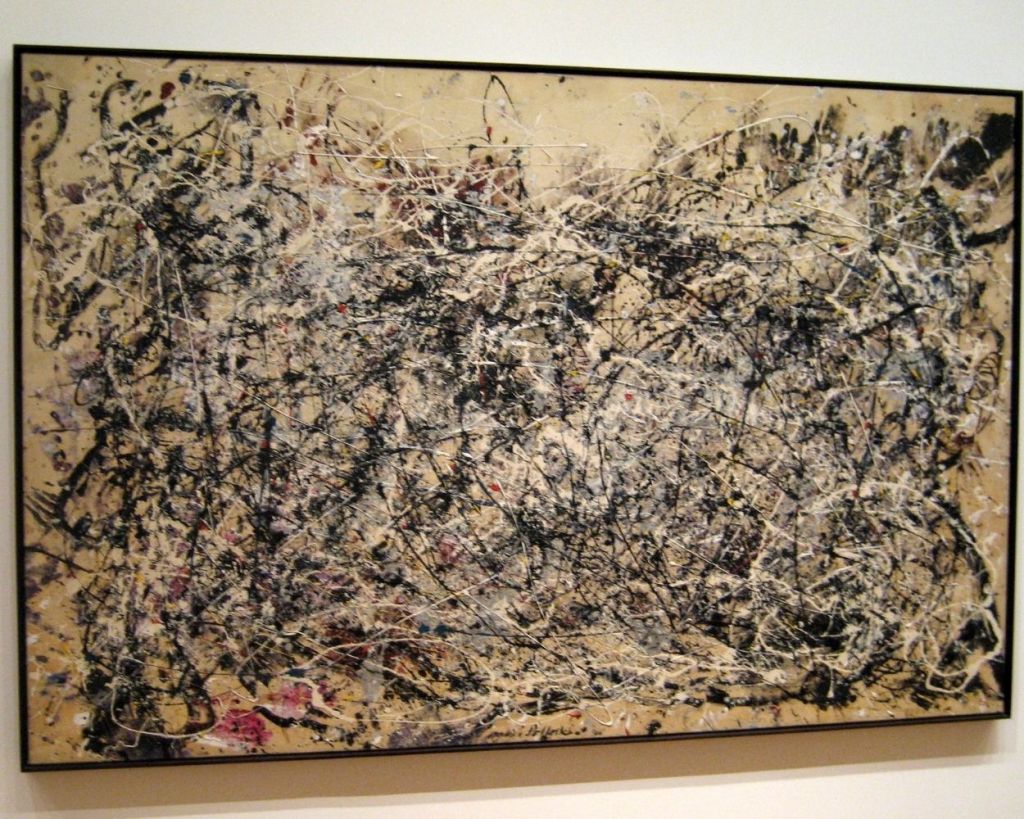
4. Abstract Expressionism
In the mid-20th century, painting shifted again. Abstract Expressionism prioritized gesture, scale, and physicality. The act of painting became part of the meaning. Large canvases, bold marks, and raw surfaces dominated.
This movement developed in the US in the 1940s and 1950s and reframed the canvas as an arena for action. It encouraged artists to think about process, not just image.
Many contemporary painters, even those working representationally, borrow from this approach. Loose underpainting, gestural marks, and large-scale formats often echo this legacy.
5. Contemporary and Conceptual Painting
Contemporary painting isn’t one style but a broad field shaped by ideas as much as technique. It often blends realism, abstraction, digital influence, and cultural commentary.
Recent trends in the art world show increased crossover between traditional painting and mixed media, installation, and digital processes. Painters today aren’t confined to one category. A single body of work might combine realist portraiture with abstract fields or text-based elements.
What defines contemporary painting is not how it looks, but how it thinks.
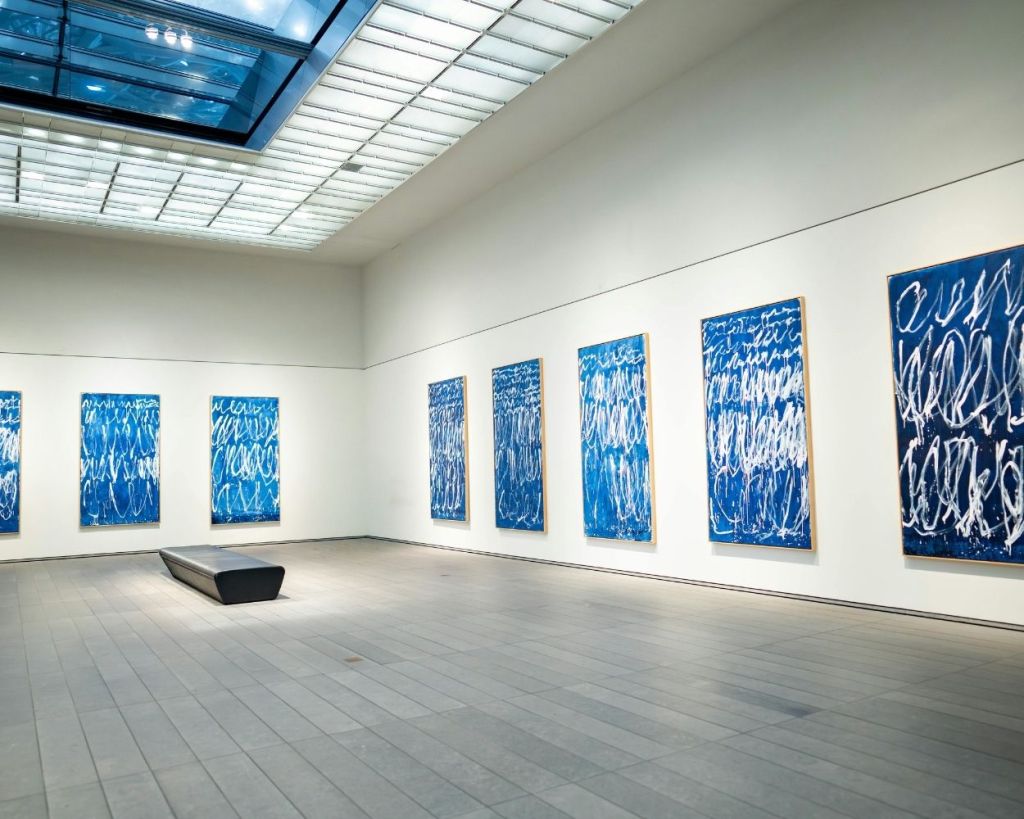
These five styles aren’t boxes to stay inside. They’re tools and reference points. Most painters move between them, consciously or not.
Understanding these major painting styles gives you context. It sharpens your decisions. And it reminds you that every brushstroke sits in a long, evolving conversation.
 Canvas For Painting - Custom Size
Leave a comment