Every art style has its challenges. But some demand a level of control, patience, and decision-making that can test even experienced painters.
This isn’t about ranking what’s “better.” It’s about understanding where the difficulty lies and why certain styles push artists harder than others.
Here are five that consistently come up, both in studios and in teaching.
1. Photorealism
At first glance, photorealism seems straightforward. Just copy what you see.
In reality, it’s one of the most demanding styles out there.

You’re painting a subject and replicating the way a camera sees it. That means extreme precision in values, edges, and color shifts. Even small mistakes stand out immediately.
What makes it difficult is the lack of forgiveness. There’s very little room to “interpret.” Control has to be consistent from start to finish.
2. Classical Realism
Classical realism is about copying and structure. Began in the late-20th and early 21st century, it’s an art movement that combines the elements of 19th-century neoclassicism and realism.
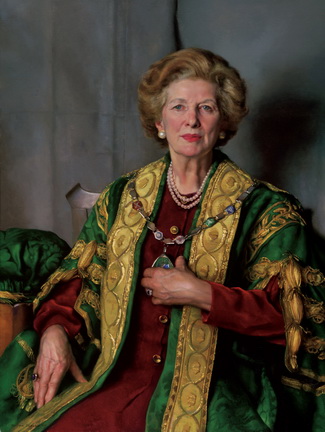
Think accurate anatomy, controlled lighting, and a deep understanding of form. You’re building a convincing illusion of three-dimensional space, often from scratch.
This style demands strong drawing skills before you even touch paint. Proportion, perspective, and value all have to work together. It’s slow, layered, and requires patience. You’re constantly correcting and refining.
For many painters, this is where technical gaps become obvious.
3. Abstract Expressionism
This one surprises people. Abstract expressionism looks loose, even chaotic. But doing it well is incredibly hard.
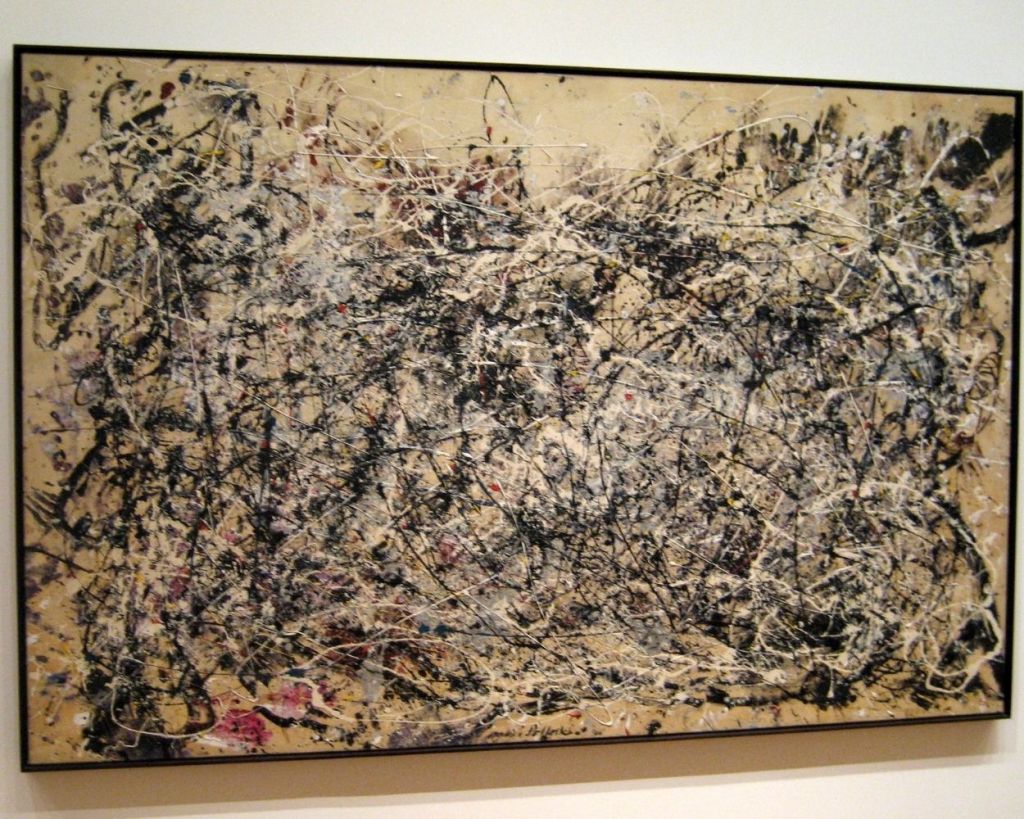
Why? Because you can’t rely on obvious markers like accuracy or likeness. There’s no “correct” proportion to fall back on. Instead, everything depends on instinct, composition, rhythm, and restraint. You need to know when to stop, when to push, and when something feels right without overworking it.
Bad abstraction looks random. Good abstraction feels intentional, even if you can’t explain why.
4. Hyperrealism
Hyperrealism takes photorealism even further.
It’s not just about copying a photo. It’s about enhancing reality. Details are sharper, textures more intense, and the overall image often feels more “real” than real life.

This requires technical precision plus artistic judgment. You decide what to exaggerate and what to soften. It’s mentally demanding. You’re constantly balancing accuracy with impact. And like photorealism, mistakes are hard to hide.
5. Minimalism
Minimalism looks simple. That’s exactly why it’s difficult.
With fewer elements, every choice matters more. A single line, shape, or color shift can change the entire piece. There’s nowhere to hide. No detail to distract from weak composition or poor decisions.

Minimalist work demands clarity of intent. You have to know exactly what you’re doing and why. It often takes more experience to reduce a painting than to add to it.
Difficulty in art isn’t just about technique. It’s about decision-making, awareness, and control. Some styles challenge your hand, others challenge your eye. The hardest ones usually challenge both.
If you’re looking to grow, don’t avoid these styles. Try them even briefly. They’ll expose your weak spots faster than anything else. And that’s where real progress starts.
 Canvas For Painting - Custom Size
Leave a comment