You don’t need dozens of techniques to become a better painter. A handful of solid, reliable ones will take you much further.
The key is knowing how and when to use them. These five techniques show up across styles, mediums, and skill levels. If you get comfortable with them, your work will feel more controlled and more intentional.
1. Blocking In
This is where most good paintings start.
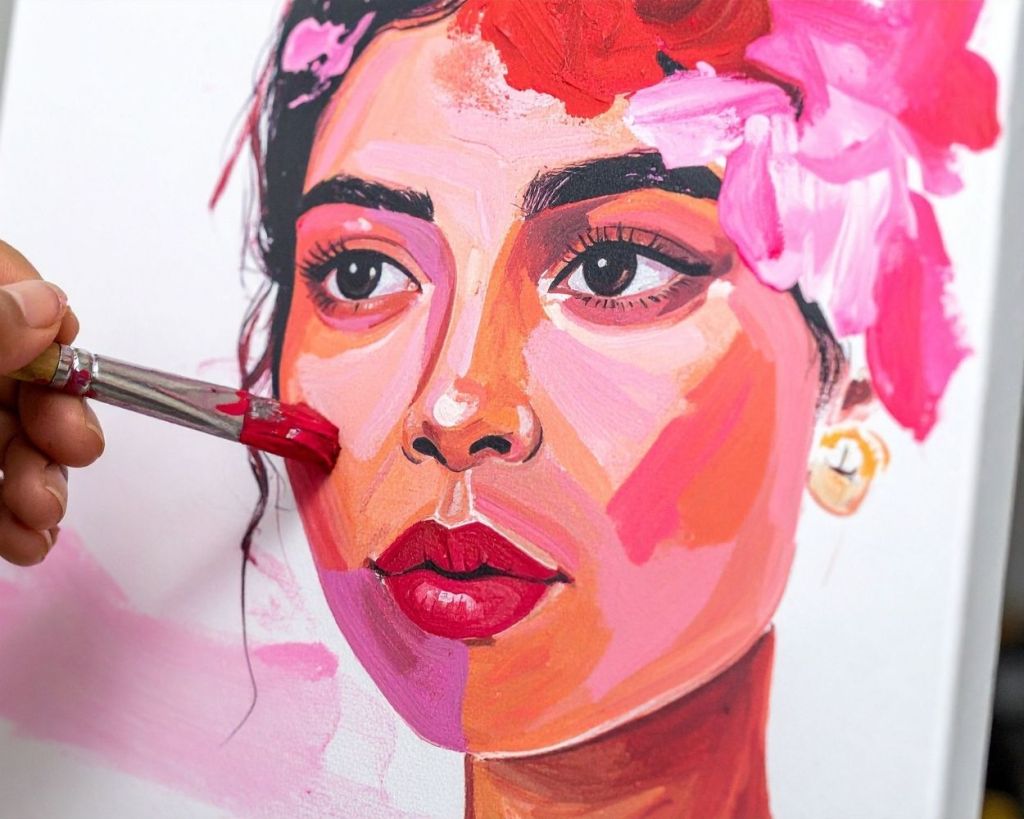
Blocking in means laying down the big shapes and main colors early, without worrying about detail. You’re mapping out the composition and value structure in a simple way. Think of it as building the skeleton of your painting.
Keep your brushwork loose. Use larger brushes than you think you need. The goal is clarity, not precision. Painters who skip this step often struggle later, trying to fix problems that could’ve been solved in the first 10 minutes.
2. Layering
Layering is about building depth over time. Instead of finishing everything in one pass, you work in stages. Each layer adds information. That could be color shifts, refined edges, or subtle value changes.
In oil painting, this connects to the fat-over-lean principle. In acrylic, it’s more about letting layers dry before adding new ones.
Either way, layering gives you control. You’re not forcing everything to happen at once.
3. Glazing
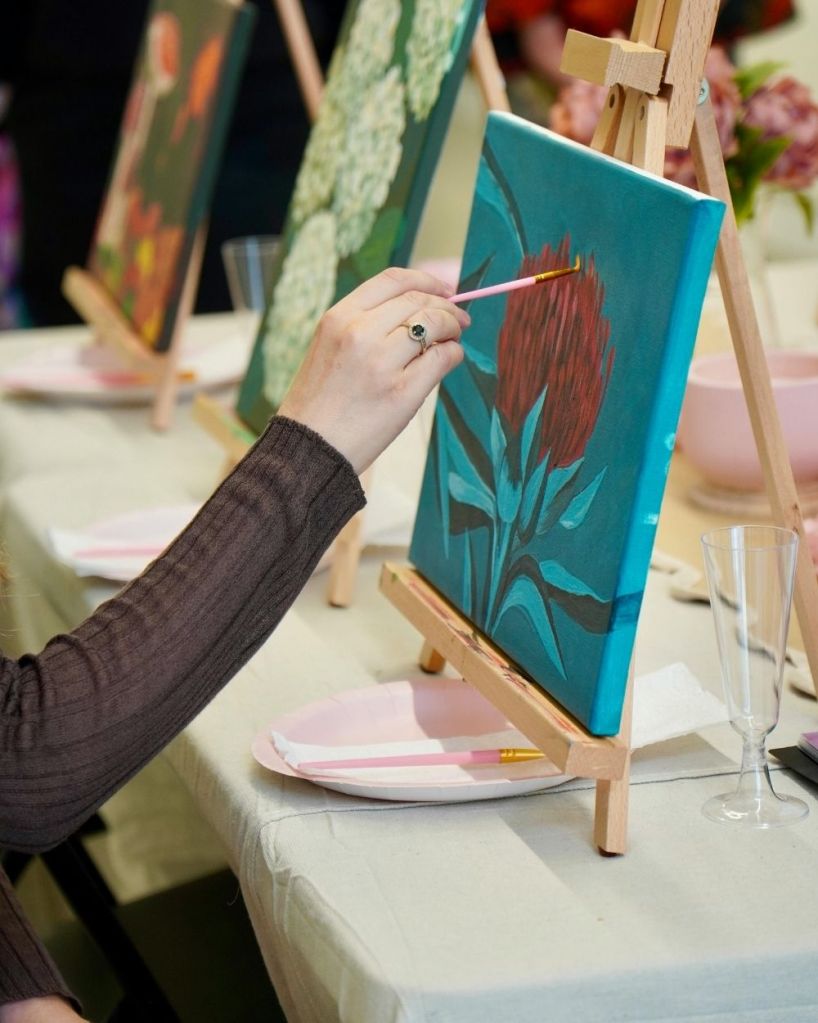
Glazing is one of the most useful techniques for creating richness. It involves applying a thin, transparent layer of paint over a dry layer. This changes the color without covering what’s underneath.
For example, a blue glaze over a dry yellow area will shift it toward green, but still let the original layer show through. It’s a slow technique, but it creates depth you can’t get from mixing everything on the palette.
A lot of painters use glazing to unify a painting or adjust the overall mood near the end.
4. Dry Brushing
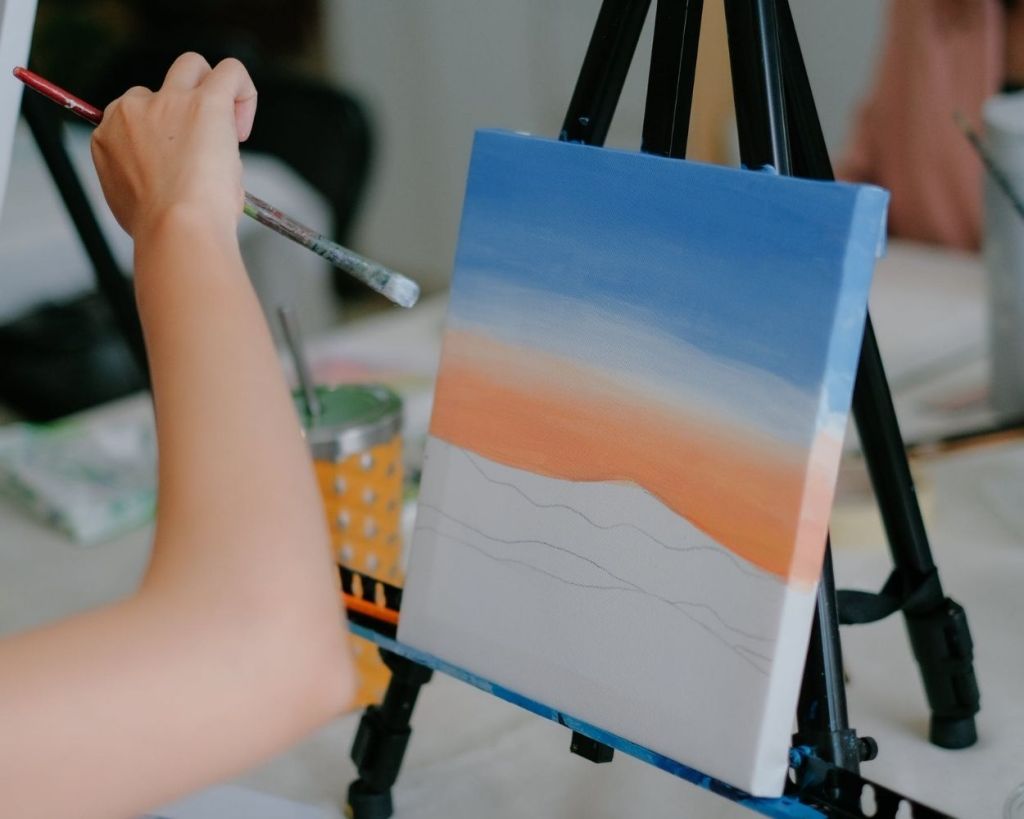
Dry brushing is almost the opposite of glazing. You use very little paint on the brush and drag it lightly across the surface. The texture of the canvas catches the paint unevenly, creating a broken, textured effect.
It’s great for suggesting detail without overworking it. Think hair, fabric, rough surfaces, or subtle highlights. Used carefully, it adds variety to your surface. Overused, it can make a painting feel scratchy or thin.

5. Scumbling
Scumbling sits somewhere between glazing and dry brushing. You apply a thin, opaque or semi-opaque layer of lighter paint over a darker area, letting bits of the layer underneath show through. It softens transitions and creates a hazy, atmospheric effect.
This is especially useful in skies, backgrounds, or anywhere you want a sense of depth without sharp edges. It’s also a good way to correct areas that feel too heavy or too dark.

A simple way to use these
You don’t need to use all five in every painting. A typical flow might look like this:
- Block in your main shapes
- Build with layers
- Adjust with glazing or scumbling
- Add selective texture with dry brushing
That’s more than enough to carry a painting from start to finish.
 Canvas For Painting - Custom Size
Leave a comment