Art is vulnerable to damage, whether through vandalism, accidents, or environmental factors. As artists, it’s crucial to understand how to handle damaged or defaced artwork effectively, preserving both the integrity of the piece and its value. Here’s a guide on what to do when your artwork faces damage and how restoration can help.
Understanding the Nature of Damage
Damage to artwork can range from minor scuffs to significant defacement. Some famous works, such as Rembrandt’s The Night Watch, have suffered repeated attacks throughout history. In one instance, the painting was slashed, which took six years to repair, and faint traces of the damage remain visible today.
Other cases, like Claude Monet’s Argenteuil Basin, saw severe damage, where a man punched through the canvas, creating a hole over a foot wide. Despite this, skilled conservators managed to restore the painting over an 18-month period, making the damage almost unnoticeable.
Assessing the Damage
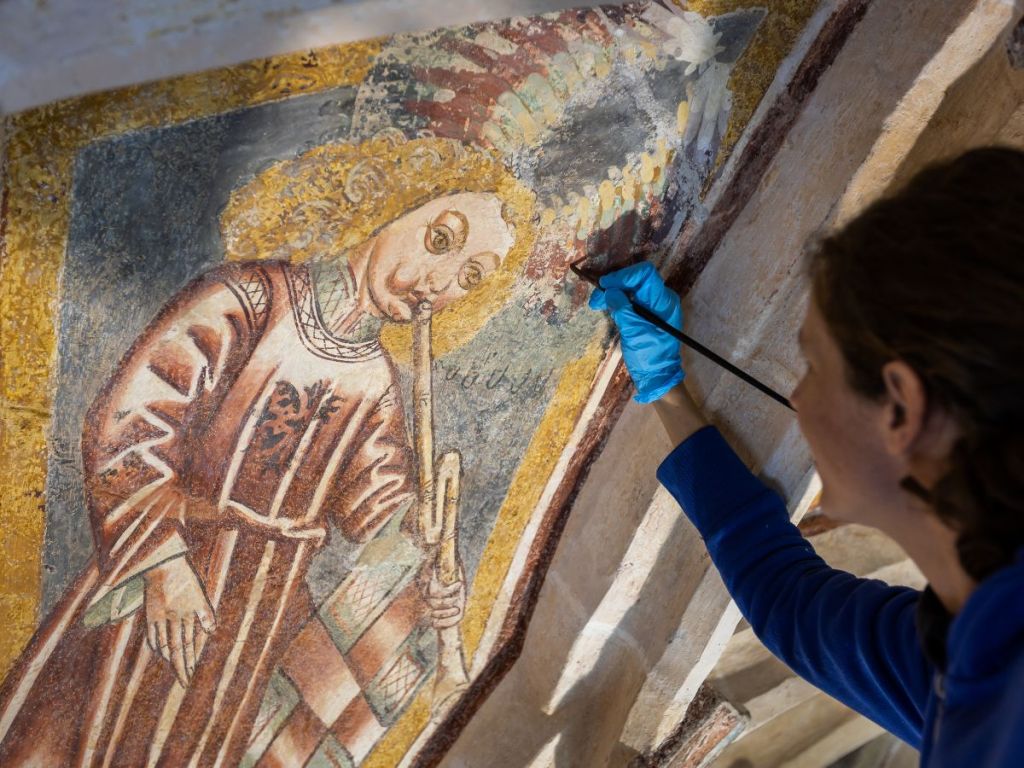
When artwork is damaged, the first step is assessing the extent of the harm. If the damage is minor, such as small scratches or tears, restoration might be straightforward. However, if the damage is more significant, like holes or chemical burns, the process becomes more complex.
Art conservators often distinguish between superficial cosmetic damage and structural damage. Minor damage, like a scuffed surface, can usually be repaired without significant impact on the artwork’s value. But, when the damage is more severe, especially if it affects key areas of the piece, it may reduce its market value.
The Role of Art Conservators
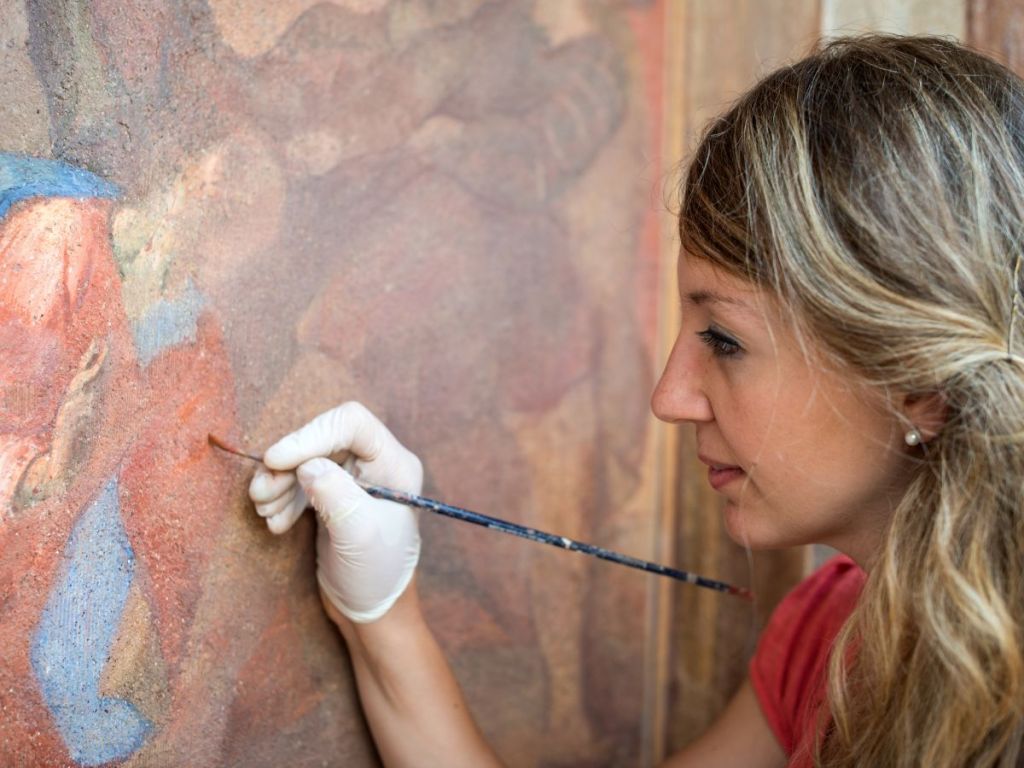
Professional conservators are essential in the process of restoring damaged artworks. Their work is highly skilled and can involve cleaning, repairing canvases, or even recreating lost parts of the image.
Restoration does not necessarily reduce the value of artwork if done correctly. It’s crucial that restoration work is not too invasive—over-restoring or poor-quality repairs can significantly diminish the value.
Many famous paintings in major museums have undergone restoration at some point. For example, Pablo Picasso’s The Dream suffered an accidental tear but was restored to its original state within eight weeks.
Prevention and Future Protection
After restoring artwork, it’s essential to take preventative measures. Displaying your pieces in climate-controlled environments, using protective glass (especially for older or more valuable works), and ensuring secure transportation can help prevent future damage. Additionally, consider insuring your pieces, particularly if they are frequently displayed or loaned to galleries.
Damaged artwork can be devastating, but with the right approach and expert help, much of the harm can be repaired. Whether dealing with minor wear or more severe defacement, restoration efforts can often bring artwork back to life, allowing it to be enjoyed for generations to come. As an artist, knowing when and how to seek professional help will ensure that your work remains in the best condition possible.


Leave a comment