Artists have long sought different surfaces to express their creativity, each offering unique textures and challenges. Understanding the characteristics of various substrates can enhance your artistic repertoire and influence the outcome of your work.
Canvas

Canvas is a staple in the art world, favored for its durability and versatility. Typically made from linen or cotton, it provides a flexible surface suitable for oil and acrylic paints. The texture, or “tooth,” of the canvas influences paint adhesion and the overall aesthetic of the piece.
Pre-stretched canvases are readily available, but some artists prefer to stretch and prime their own, allowing for customized texture and absorbency. Proper priming with gesso prevents paint from seeping into the fibers, ensuring longevity.
Wood Panels

Wooden panels offer a rigid and smooth surface, ideal for detailed work. Historically, artists like Leonardo da Vinci used wood for its stability. Modern painters appreciate wood for its minimal texture, which allows for precise brushwork.
Common choices include birch, maple, and medium-density fiberboard (MDF). Sealing the wood with a primer is crucial to prevent warping and to create a suitable painting surface. Wood panels are compatible with various mediums, including oil, acrylic, and encaustic paints.
Paper
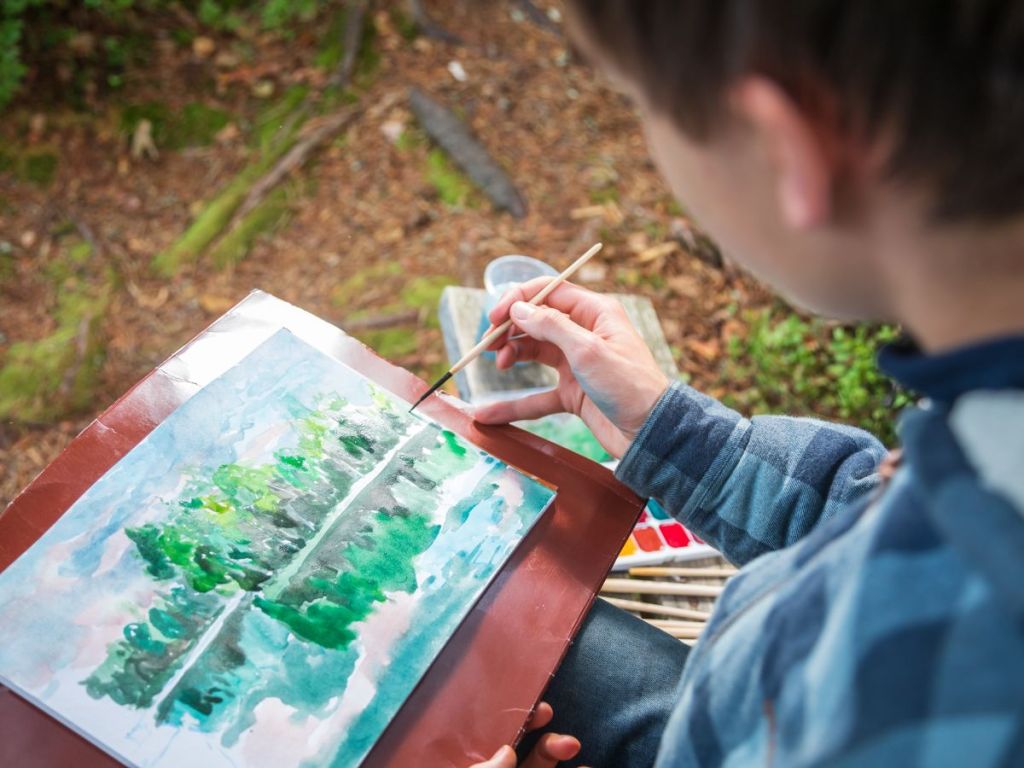
Paper is a versatile and accessible surface, varying in weight, texture, and composition. Watercolor paper, typically made from cotton, is designed to handle moisture without warping. Heavier weights (140 lb and above) are preferable for wet media to prevent buckling.
For acrylics and oils, specially treated papers are available to withstand the heavier mediums. The texture ranges from smooth (hot-pressed) to rough (cold-pressed), influencing the final appearance of the artwork.
Metal
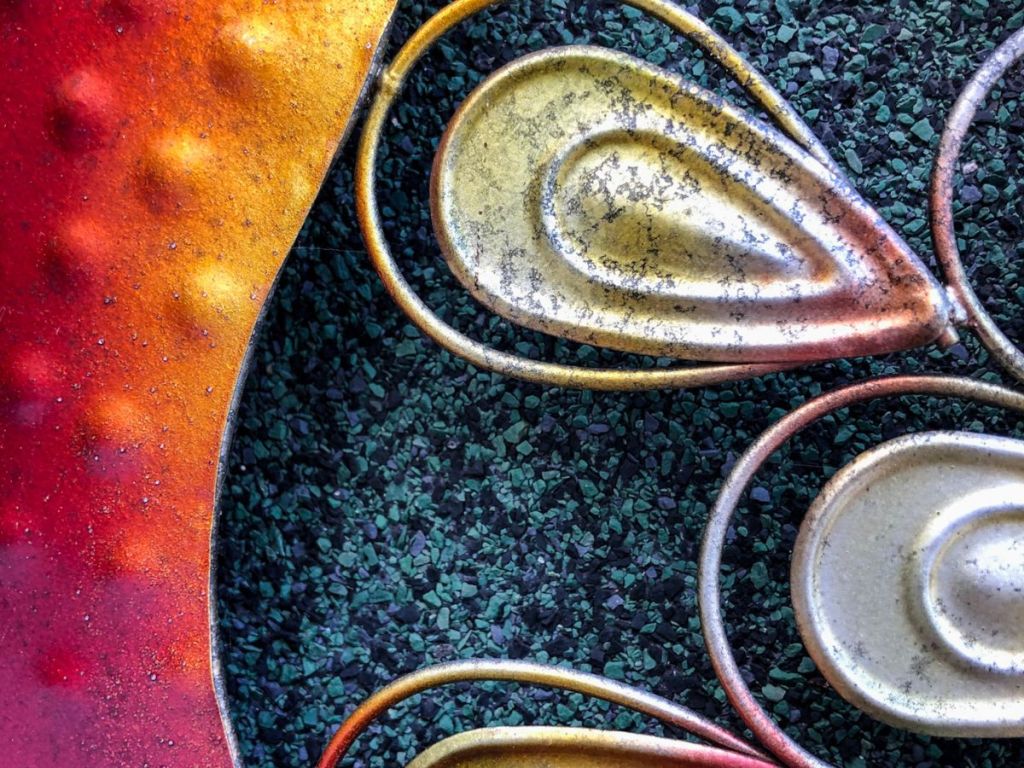
Painting on metal surfaces, such as aluminum or copper, introduces a contemporary aesthetic. The smooth, non-porous nature of metal requires proper preparation to ensure paint adhesion.
Sanding the surface to create a slight texture and applying an appropriate primer are essential steps. Metal surfaces offer a unique luminosity. Its reflective quality can interact with translucent paint layers, adding depth to the artwork.
Glass
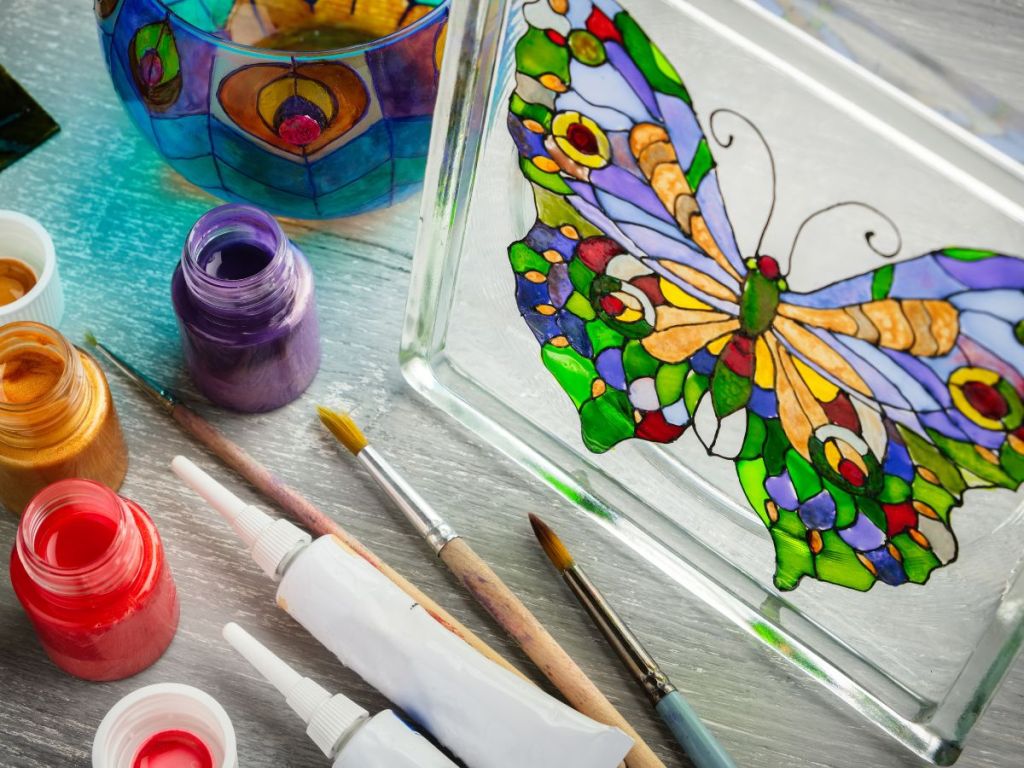
Glass provides a sleek and glossy surface, challenging artists to adapt their techniques. Specialized glass paints or enamels are necessary for durability. Cleaning the glass thoroughly and applying a suitable primer enhances adhesion. Artists can take advantage of the glass’ transparency to create layered effects or use both sides of the surface for added complexity.
Alternative Surfaces
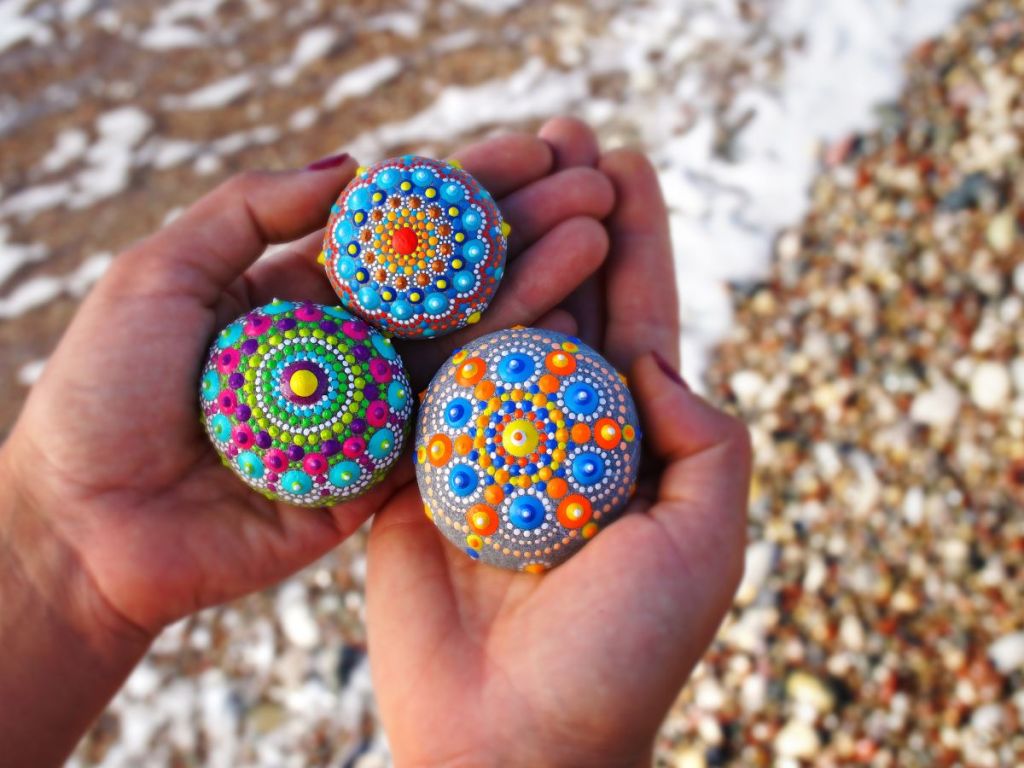
Exploring unconventional surfaces like fabric, stone, or found objects can energize your practice. Each material presents distinct challenges and opportunities, encouraging innovation.
For example, painting on fabric requires considerations for flexibility and absorbency, while stone offers a textured and durable base.
Considerations for Choosing a Surface
When selecting a painting surface, consider the following factors:
- Medium compatibility: Ensure the surface is suitable for your chosen paint medium.
- Texture: The surface texture affects paint application and the overall aesthetic.
- Durability: Consider the longevity and stability of the material.
- Preparation requirements: Some surfaces require extensive preparation to ensure proper paint adhesion.
Artists can discover new textures and effects by experimenting on different surfaces. Each substrate offers unique characteristics that can influence the direction and outcome of your artwork.


Leave a comment