Art styles can feel overwhelming at first. There are so many labels, movements, and overlapping ideas that it’s easy to get lost.
But most styles come down to a few core approaches to seeing and interpreting the world. If you understand those, everything else becomes easier to navigate.
Here are seven popular art styles you’ll come across, and what actually defines them.
1. Realism
Realism is about painting what you see as accurately as possible. That means correct proportions, believable lighting, and careful attention to detail. The goal is to create an image that feels true to life.
It’s often where beginners start because it trains your eye. You learn to observe properly, not just assume what things look like.

2. Impressionism
Impressionism shifts the focus from detail to perception. Instead of painting every edge clearly, you suggest forms with loose brushwork and visible strokes. Color becomes more important than line.
Light is the main subject here. You’re capturing a moment, not building a perfect image. This style is great for loosening up if your work feels too tight or overworked.

3. Expressionism
Expressionism is less about what you see and more about what you feel. Colors can be exaggerated. Shapes can be distorted. The goal is to communicate emotion rather than accuracy.
This style gives you permission to push things. A face doesn’t have to look “right” if it feels right. It’s a useful direction when you want your work to have more impact or intensity.

4. Abstract
Abstract art moves away from recognizable subjects altogether. Instead of painting objects, you’re working with shapes, colors, textures, and marks. Composition and balance become the focus.
Good abstraction isn’t random. It’s controlled, even if it looks spontaneous. This style challenges your decision-making more than your technical accuracy.

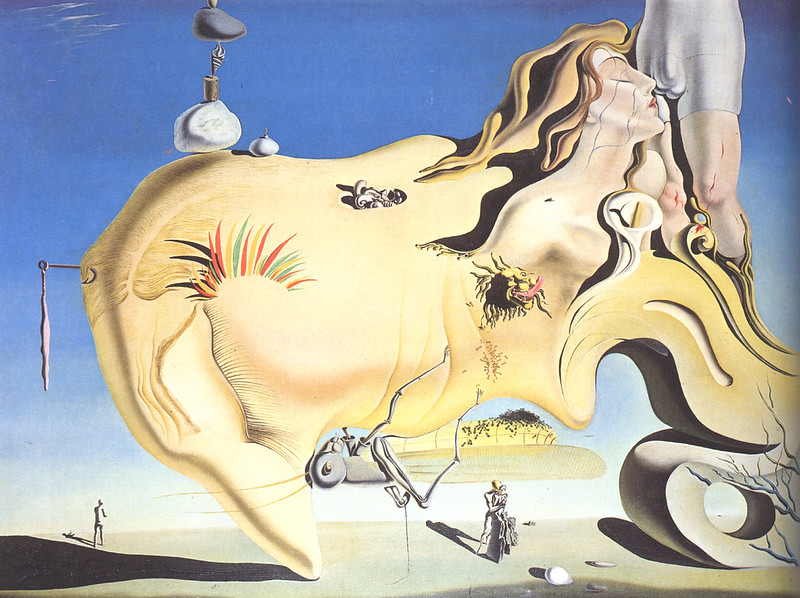
5. Surrealism
Surrealism blends reality with imagination. You’ll often see realistic elements placed in strange or impossible situations. Think dream-like scenes, unexpected combinations, and symbolic imagery.
It requires both technical skill and creative thinking. You need to make the unreal feel believable.
6. Pop Art
Pop art draws from everyday culture. Advertising, packaging, celebrities, and media imagery all show up here. Colors are often bold and graphic, with strong contrast.
It’s direct and accessible. The subject matter is familiar, but the treatment gives it a new context. Many contemporary artists still pull from this approach, especially in mixed media work.

7. Minimalism
Minimalism strips things back. Fewer elements, simpler compositions, and a focus on clarity. Every mark has to count.
This style is harder than it looks. With less information on the canvas, weak decisions become obvious quickly. It teaches restraint and precision.

A simple way to think about it
Each style answers a different question:
Realism: What do I see?
Impressionism: How does it look right now?
Expressionism: How does it feel?
Abstract: What can I reduce this to?
Surrealism: What if reality changed?
Pop Art: What surrounds us every day?
Minimalism: What can I remove?
You don’t have to pick one style and stick to it. Most painters move between them, mixing elements depending on the work. The point isn’t to label yourself. It’s to understand your options.


Leave a Reply