Portrait painting looks intimidating, but most of the struggle comes from a few common issues. Get those under control, and everything else becomes easier. Whether you’re just starting or refining your process, try these tips for better results.
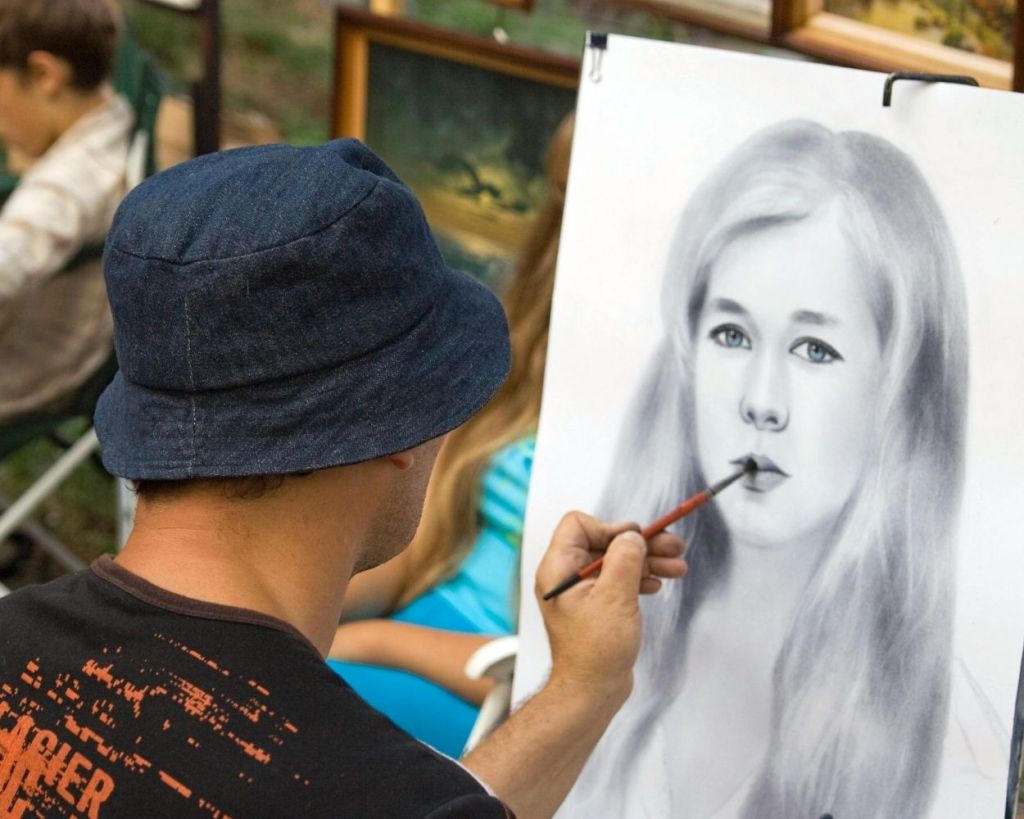
1. Start with Structure and Not the Details
The biggest mistake is jumping straight into features like eyes and lips. It feels productive, but it usually leads to distortion.
Block in the head as a simple shape first. Think of it as a solid form in space, not a collection of parts. Lightly map out proportions before committing to anything. If the structure is off, no amount of detail will fix it.
Many painters still rely on classical construction methods popularized by artists like Andrew Loomis. You don’t have to follow them strictly, but the idea is sound: build the head from simple forms, then refine.
2. Get the Proportions Right Early
Eyes too high, nose too long, mouth drifting off center. These are common and easy to miss once you’re deep into painting.
Step back often. Look at your work from a distance or in a mirror. It helps reset your eye. You’ll catch mistakes faster this way than by staring up close.
Also, measure relationships, not just features. For example, compare the width of the nose to the distance between the eyes. It keeps everything grounded.
3. Focus on Values Before Color
If your values are wrong, your portrait won’t read, no matter how good your color is.
Squint at your subject or reference. This simplifies what you’re seeing into light and dark shapes. Try to match those first. Once the value structure works, color becomes much easier to manage.
This is something painters like John Singer Sargent handled exceptionally well. His portraits feel alive because the value relationships are spot on.

4. Keep Your Color Mixing Simple
Skin tones trip a lot of people up. They either go too orange, too pink, or too muddy.
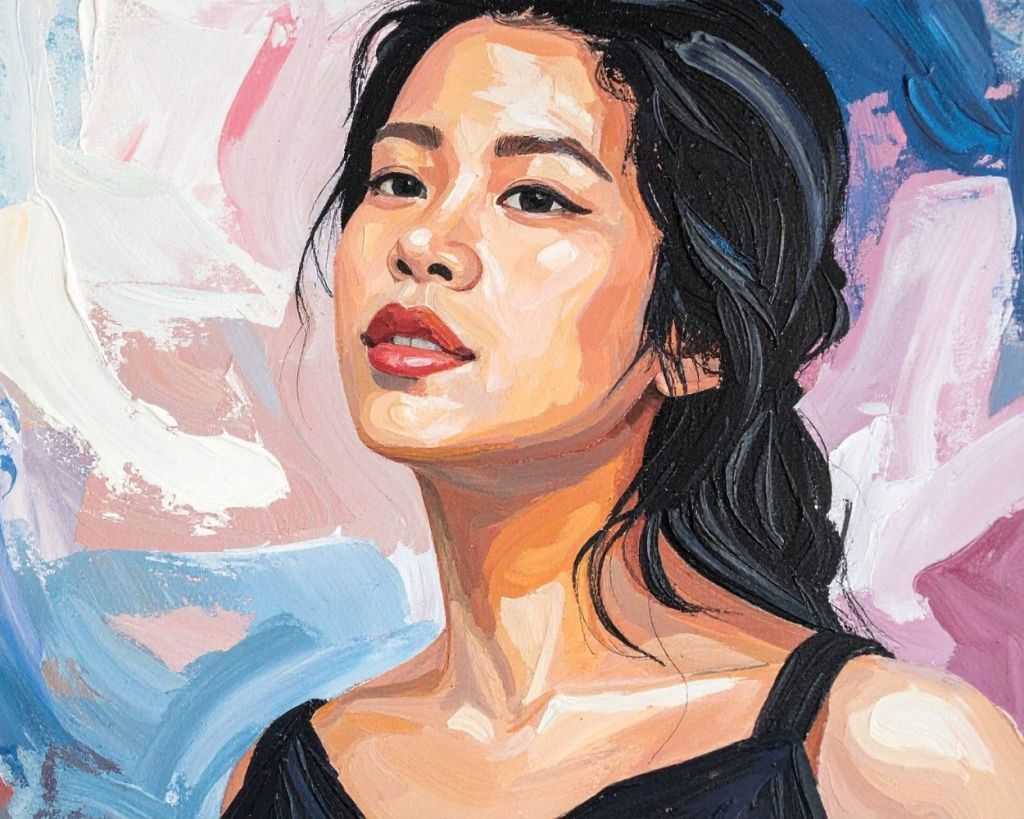
Start with a limited palette. Mix a base skin tone, then adjust it slightly warmer or cooler depending on the area of the face. The forehead, cheeks, and jaw often shift in subtle ways.
Avoid overmixing on the palette. Let some variation happen on the canvas. It keeps the surface from looking flat.
5. Control Your Edges
Not every edge should be sharp. In fact, most shouldn’t. Soft edges help create depth and realism. Hard edges draw attention. Use them intentionally, especially around focal points like the eyes.
Look at how painters like Lucian Freud handled edges. There’s a mix of control and looseness that keeps the portrait dynamic.
6. Don’t Overwork It
This is where a lot of paintings fall apart. You keep adjusting, blending, fixing, and eventually lose the freshness.
Set a point where you stop. Even if it feels slightly unfinished, it’s often better than pushing it too far.
Portrait painting isn’t about copying a face perfectly. It’s about interpreting it clearly. Focus on structure, values, and simple color relationships. Keep your process tight. The rest builds naturally over time.


Leave a comment