For artists, visiting a great museum is more than checking famous paintings off a list. It is a chance to study color, composition, technique, materials, scale, and the way artworks communicate across centuries.
Some museums are so enormous that seeing everything in one visit is simply impossible. Here are five of the world’s largest art museums, measured primarily by exhibition or gallery space.
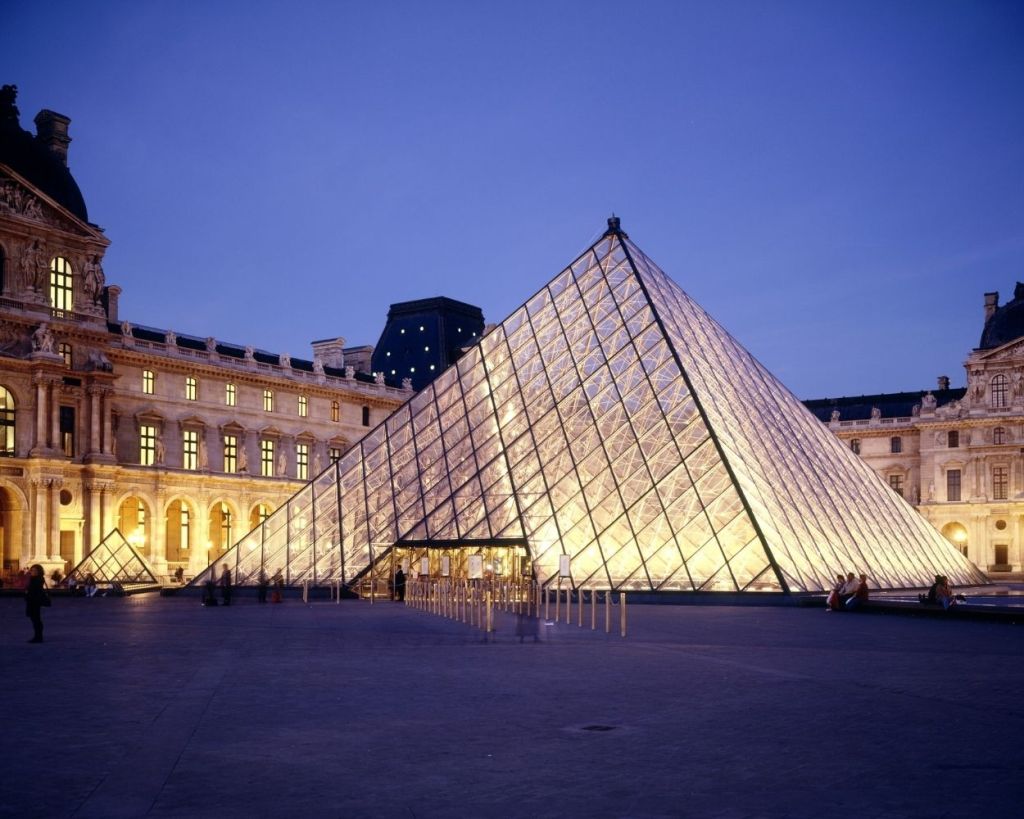
1. The Louvre, Paris
The Louvre is a natural starting point. Its exhibition spaces cover about 70,000 square meters, with nearly 500,000 works held in its collections and around 30,000 works exhibited.
For painters, the Louvre offers an extraordinary lesson in visual history, from Egyptian and Greek antiquities to European painting and sculpture. Study Leonardo da Vinci’s Mona Lisa, but also spend time looking at less-famous works. You may learn just as much from their brushwork, color relationships, and composition.
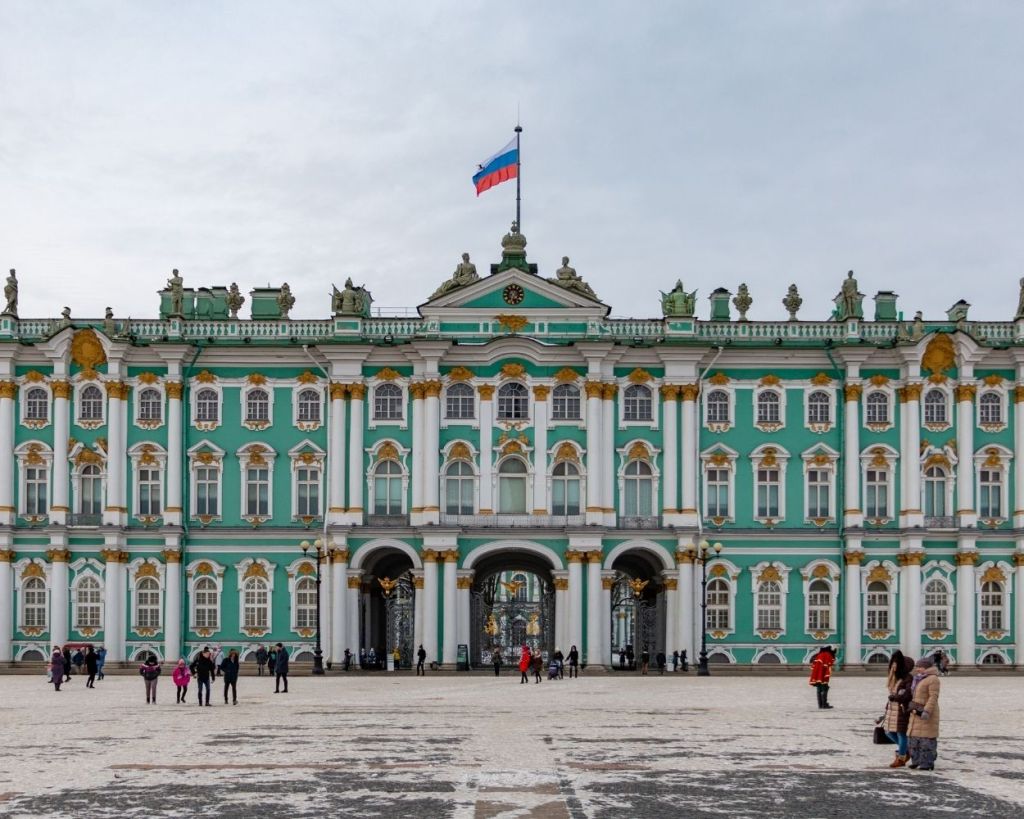
2. State Hermitage Museum, St. Petersburg
The State Hermitage is one of the world’s great art collections. Its museum complex has approximately 233,345 square meters of total space and 100,000 square meters devoted to exhibitions. Its collections include more than one million works of art.
Painters will find an impressive range of European art, including works by Rembrandt, Titian, and other major masters. The sheer variety makes the Hermitage particularly valuable for studying how painting styles developed across different periods and cultures.
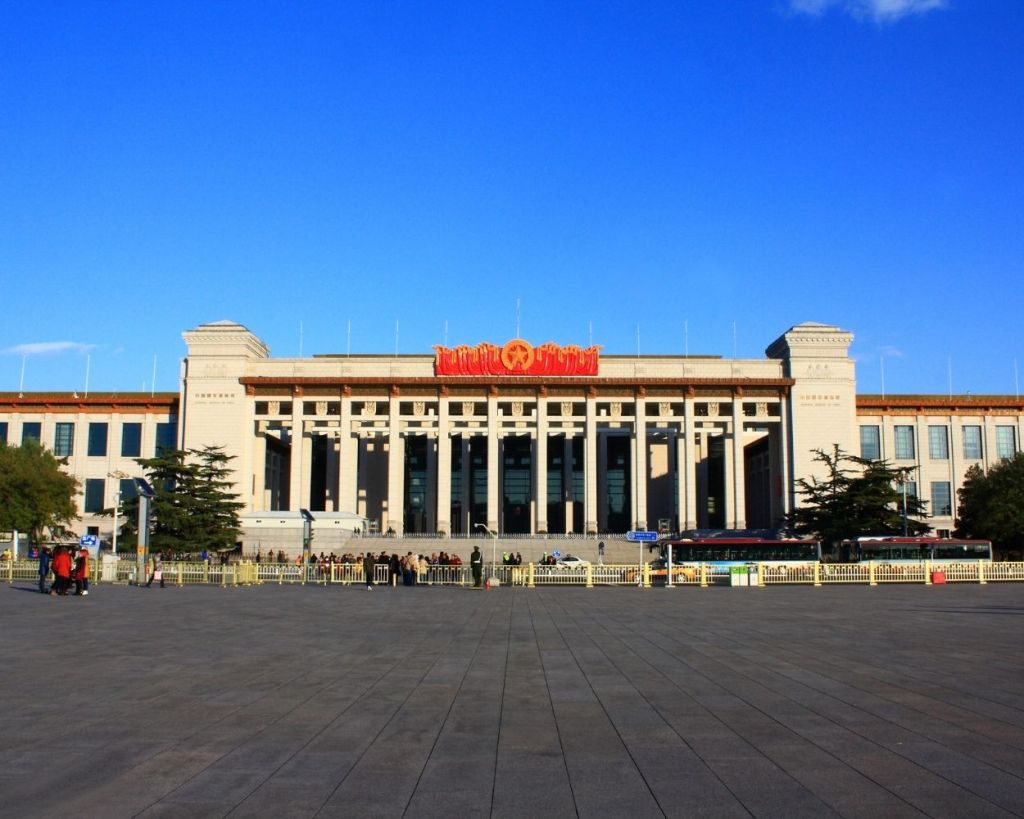
3. National Museum of China, Beijing
The National Museum of China is enormous, with nearly 200,000 square meters of total floor space and about 65,000 square meters dedicated to exhibitions. Its collection contains more than 1.4 million objects, including works of art, historical artifacts, and rare books.
For artists, this museum provides an opportunity to explore Chinese artistic traditions alongside broader cultural history. Its exhibitions can be especially useful for studying how symbolism, storytelling, craftsmanship, and cultural identity influence visual art.
4. The Metropolitan Museum of Art, New York
The Met occupies more than two million square feet and houses more than 1.5 million objects representing cultures from around the world.
It is particularly exciting for contemporary painters because the museum connects modern and contemporary art with centuries of earlier traditions. In September 2026, The Met also broke ground on its new Oscar L. Tang and H.M. Agnes Hsu-Tang Wing, which will create 69,500 square feet of exhibition space for modern and contemporary art and is expected to open in 2030.
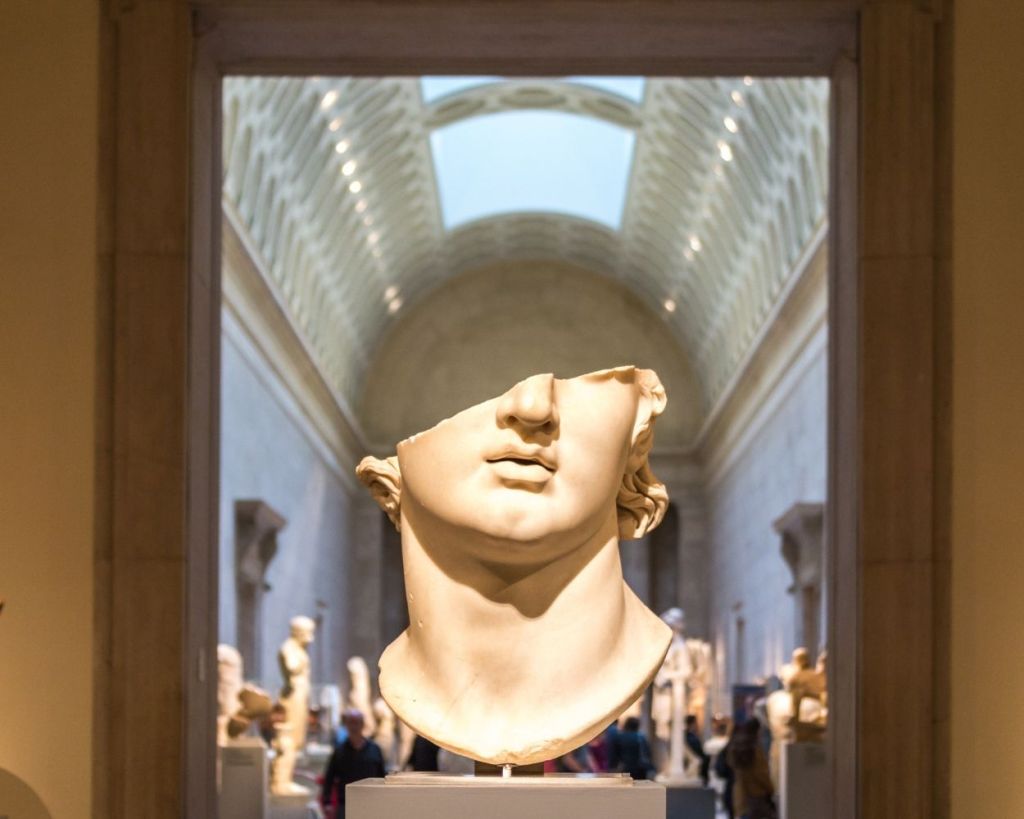
5. Vatican Museums, Vatican City
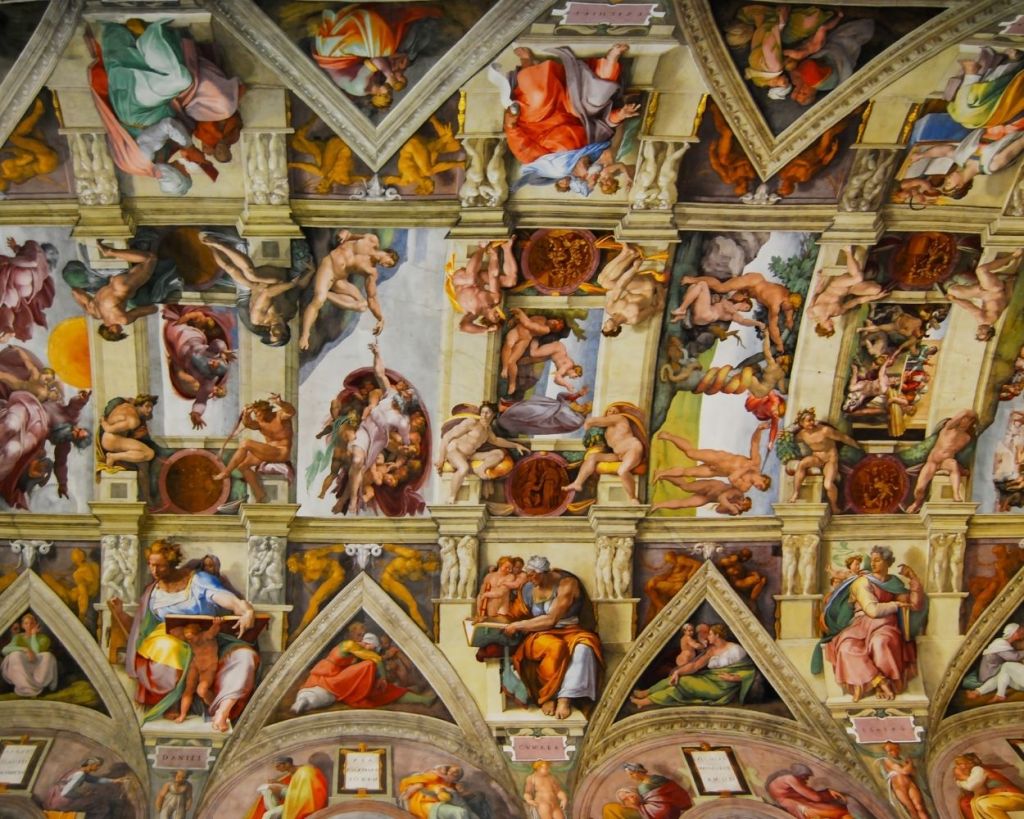
The Vatican Museums combine art, architecture, history, and religion on a remarkable scale. Their exhibition spaces cover roughly 43,000 square meters, placing them among the world’s largest art-museum complexes.
For painters, the Sistine Chapel alone makes the visit worthwhile. Michelangelo’s monumental frescoes offer an extraordinary opportunity to study anatomy, movement, storytelling, perspective, and the relationship between figures and architecture.
Why These Museums Matter to Artists
The real value of these enormous museums is not simply their size. Each one offers artists a different visual education. Look beyond the famous masterpieces and study how artists solved problems involving light, proportion, color, texture, and storytelling.
You do not need to copy what you see. Instead, observe closely, take notes, make quick sketches where permitted, and ask yourself one simple question: What can I take from this work and bring into my own practice?


Leave a comment