Every artist, whether a beginner or a seasoned professional, has room to grow. Improving your art isn’t just about mastering techniques or buying better supplies. It’s about building good habits, staying curious, learning from mistakes, and finding new ways to express your ideas.
If you’re ready to take your artwork to the next level, these seven practical tips can help you grow with confidence.
1. Practice with a Clear Goal
Regular practice matters, but working with a purpose can make your sessions more productive. Instead of trying to improve everything at once, focus on one skill at a time. Spend a session studying color mixing, another practicing perspective, or another exploring light and shadow.
A 2024 study on visual arts education in Australia explored how progressive goals, spaced practice, and effective feedback can support drawing development.
2. Train Your Eye Through Observation
Great artists learn to notice details others might overlook. Study how light changes across an object, how colors interact, and how shapes fit together. Try painting a simple still life or sketching a scene outdoors. Working from observation helps strengthen your understanding of proportion, composition, and value.
3. Experiment with New Materials and Techniques
Don’t get too comfortable with one approach. Try palette knives, glazing, dry brushing, mixed media, or a limited color palette. Experimentation can help you discover fresh ways to solve artistic problems and express your ideas. The National Gallery of Art also encourages playful drawing exercises that build observation and invite new perspectives.
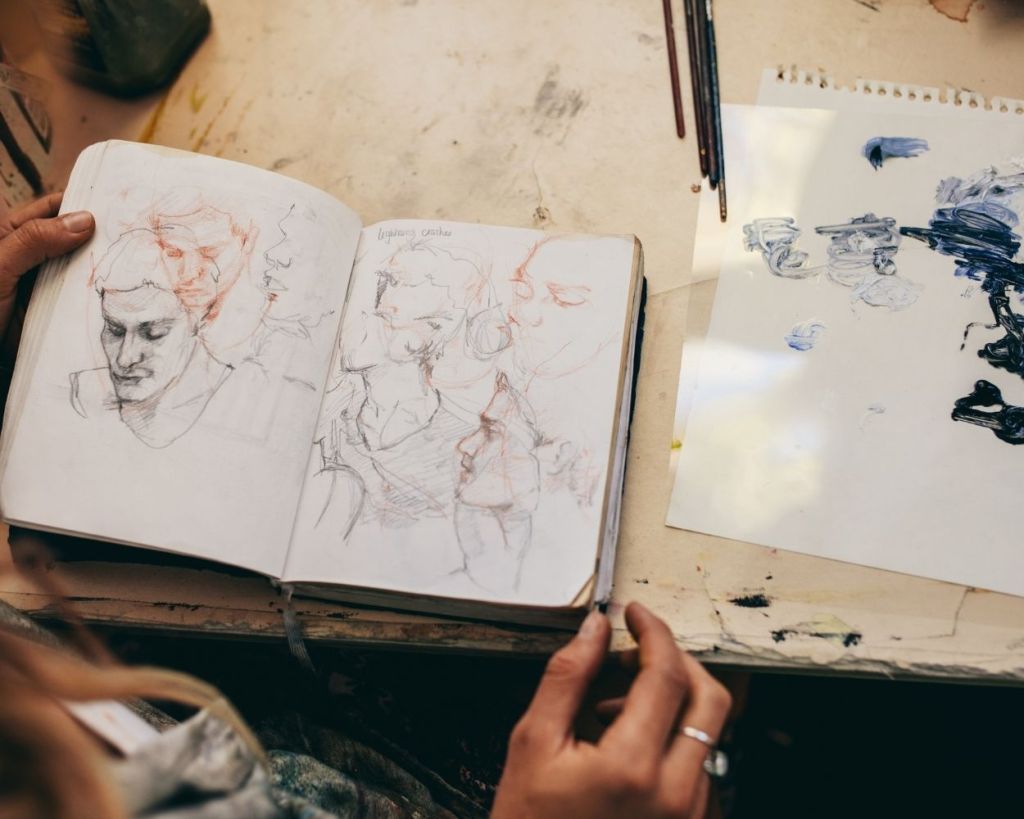
4. Keep a Sketchbook
Think of your sketchbook as a place to explore without pressure. Use it to test compositions, collect color ideas, record interesting textures, and work through unfinished thoughts. You don’t need to create beautiful pages; you need a space where ideas can develop. The Pitt Rivers Museum highlights sketching, annotation, and reflection as ways to make connections and discover new directions.
5. Study Other Artists
Visit museums, explore galleries, and learn about artists from different periods and cultures. Look beyond whether you like a painting. Ask yourself how the artist uses color, directs the viewer’s attention, or creates a particular mood. Learn from these choices without feeling you have to copy someone else’s style.
6. Welcome Constructive Feedback
Share your work with fellow artists, instructors, or a trusted creative community. Ask specific questions about your composition, color choices, or focal point. Listen openly, then decide which suggestions align with your goals. Feedback is most useful when it helps you see possibilities you may have missed.
7. Learn from Mistakes and Find Your Voice
Not every painting will turn out as expected. Instead of seeing mistakes as failures, treat them as opportunities to learn. Review what worked, identify what needs attention, and try a different approach next time.
As you gain experience, explore subjects and ideas that genuinely interest you. Your technical skills help you communicate, but your perspective makes your work personal.
Becoming a better artist takes time, patience, and curiosity. Set clear goals, observe carefully, experiment often, and stay open to learning. Progress doesn’t happen overnight, but every thoughtful session brings you another step closer to the artist you want to become.


Leave a Reply