Improving your painting skills doesn’t always mean spending more money on art supplies or taking expensive classes. Sometimes, the biggest improvements come from changing how you practice, observing your subjects, and experimenting with different techniques.
Whether you’re a beginner or an experienced artist looking to sharpen your skills, these 10 practical tips can help you make progress and become more confident with your work.
1. Practice With a Purpose
Don’t just paint without a goal. Choose one skill to work on during each session, such as blending, brush control, or color mixing. Focused practice helps you identify areas that need improvement.
2. Study Light and Shadow
Learn to recognize how light affects your subject. Pay attention to highlights, midtones, and shadows. Understanding these values helps create depth and make objects appear more three-dimensional.
3. Simplify Your Color Palette
Try working with a limited selection of colors. Learning to mix your own shades improves color understanding and helps create harmony throughout your painting.
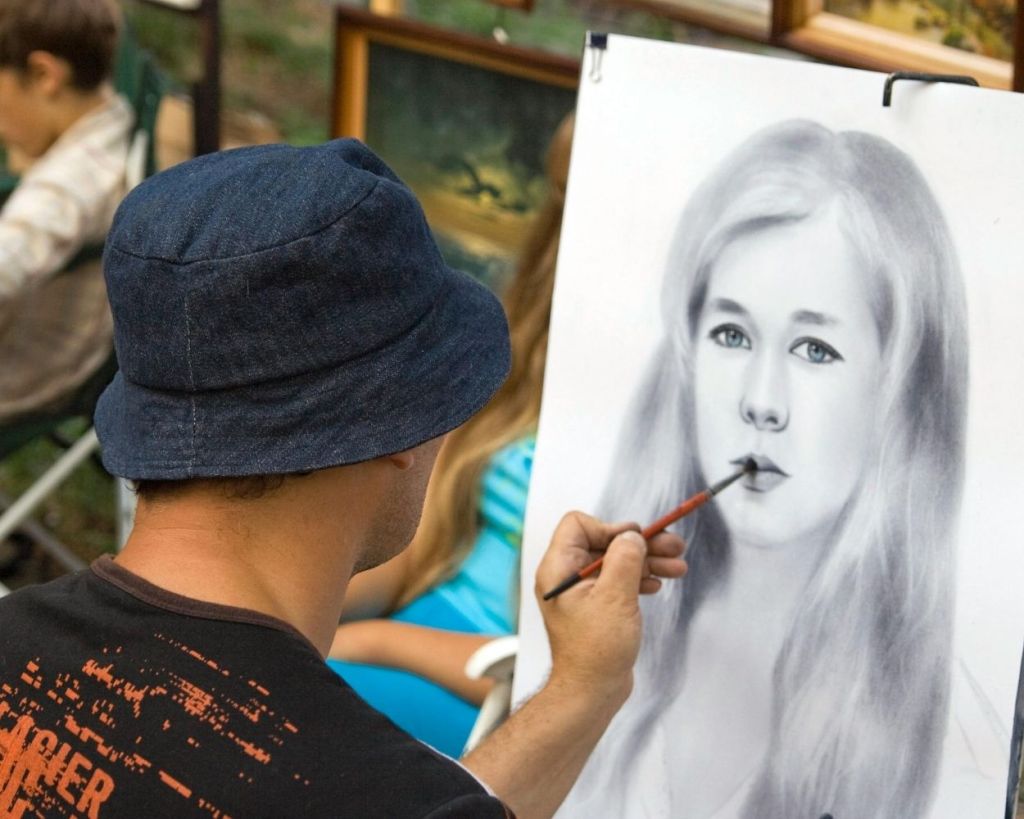
4. Experiment With Different Brushes
Flat, round, filbert, and fan brushes produce different marks and textures. Explore how each one works instead of relying on a single favorite brush.
5. Plan Your Composition First
Make small thumbnail sketches before starting a larger painting. These quick studies help you arrange shapes, establish a focal point, and avoid unnecessary changes later.
6. Try New Painting Techniques
Explore dry brushing, blending, palette knife painting, layering, and wet-on-wet techniques. Experimenting with different approaches can expand your creative vocabulary.
7. Work From Life
Paint real objects, landscapes, or people whenever possible. Direct observation helps you understand proportions, color relationships, perspective, and natural lighting.
8. Step Back and Review Your Work
Take regular breaks and look at your painting from a distance. Check its overall balance, contrast, and composition. Sometimes, stepping away reveals what needs adjusting.
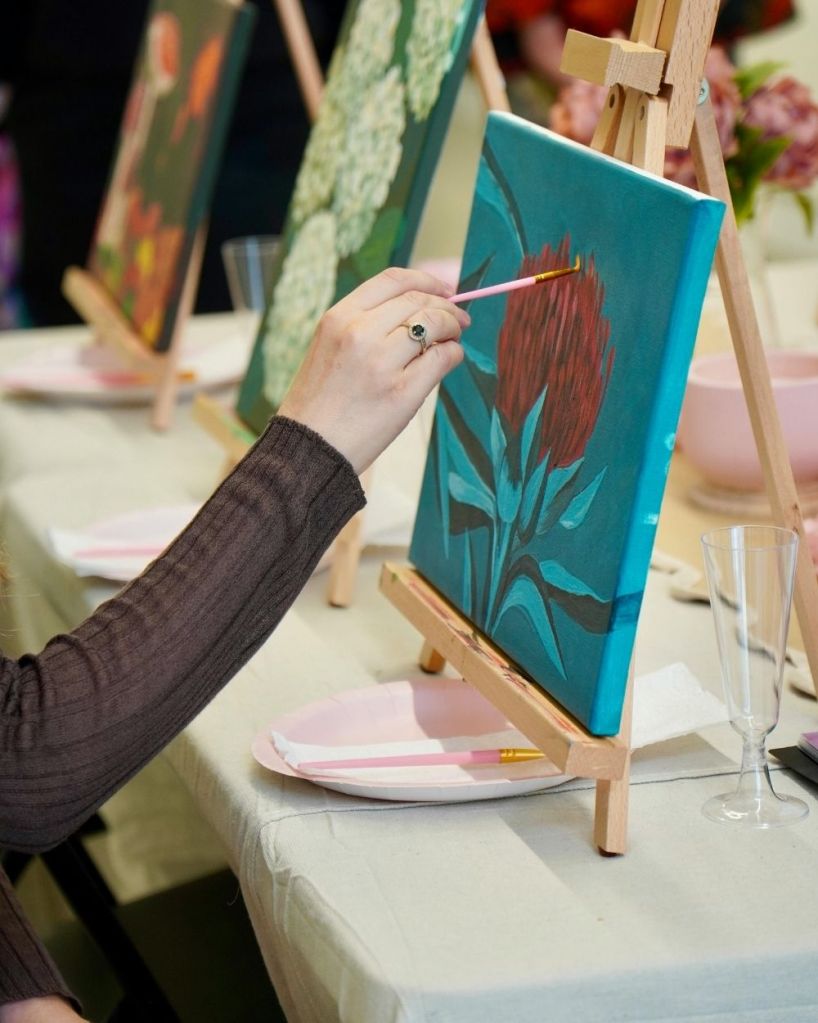
9. Study Artists You Admire
Look closely at how other artists use color, texture, brushwork, and composition. Instead of simply copying their style, identify techniques you can adapt to your own creative approach.
10. Paint Consistently and Welcome Feedback
Regular practice builds confidence and improves technique. Share your work with fellow artists, instructors, or art communities. Constructive feedback can help you see opportunities for improvement.
Keep Painting, Keep Growing
Becoming a better artist takes time, curiosity, and a willingness to experiment. You don’t need every painting to be perfect. Treat each one as an opportunity to learn something new. Keep practicing, explore different techniques, and enjoy the process.


Leave a Reply